Paintings & Folk Art
Gond Painting of Madhya Pradesh, Explained
The story
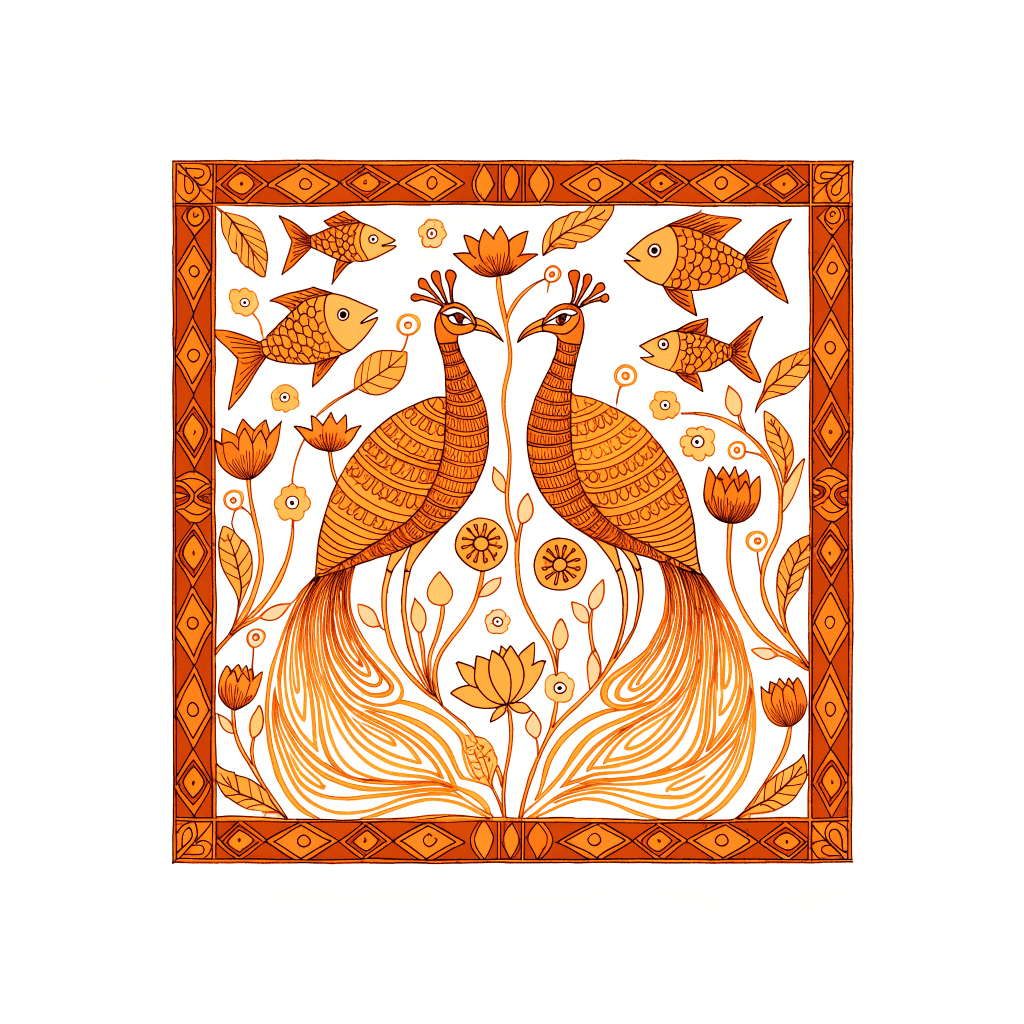
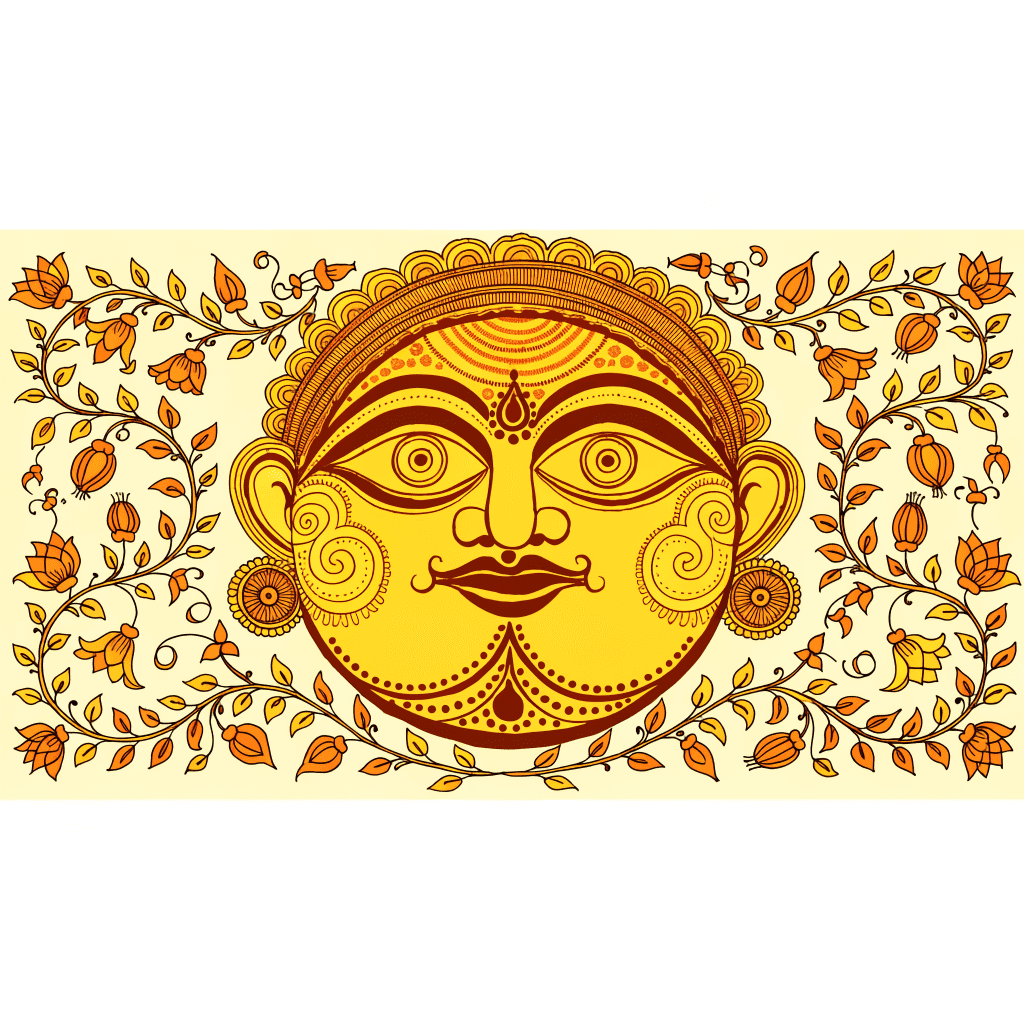
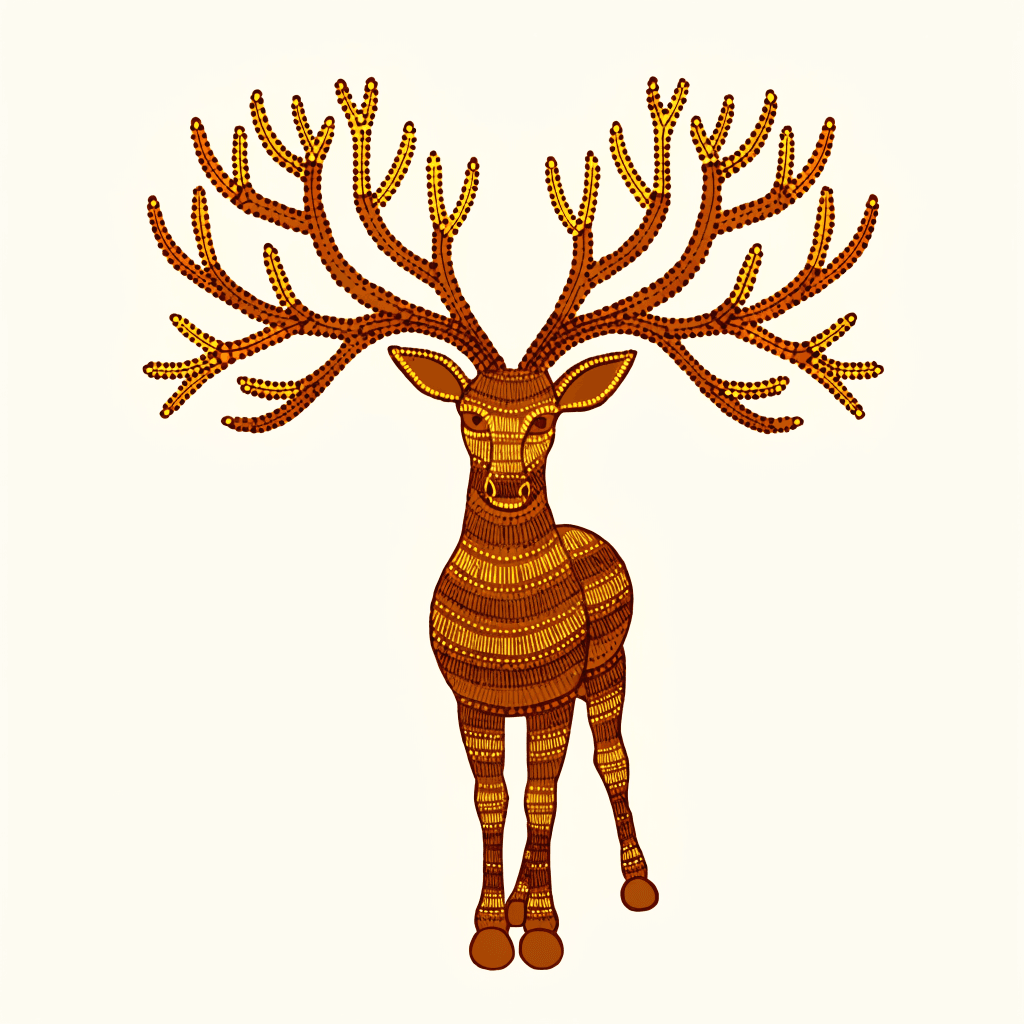
The Gond are one of India's largest Adivasi communities, spread across the forested heart of the country, with the painting tradition strongest in the Mandla–Dindori region of eastern Madhya Pradesh. Art was always part of the household: geometric digna patterns and wall paintings renewed at festivals and weddings, made in the belief that seeing a good image brings good fortune. The Pradhan Gonds, hereditary bards of the community, kept its myths alive in song — and it was from these bardic families that the modern painting movement emerged. In the early 1980s, artists from the region were invited to Bharat Bhavan in Bhopal, and the imagery of walls and songs leapt onto paper and canvas. What defines Gond painting is the infill: every figure — deer, tiger, mahua tree, bird, river — is flooded with a fine repeating pattern of dots, dashes, chevrons or fish-scales. Each artist develops a personal pattern and keeps it for life, so an infill works like a signature. The subjects come from the forest and from origin legends, painted flat and vivid, humming with movement — a tribal oral tradition made visible.
How it is made
A Gond painting begins with the outline: the animal, tree or spirit drawn in a single confident contour, often interlocking with other figures. Then comes the slow part — the infill. Working inward, the artist floods every enclosed shape with their personal pattern: rows of fine dots, parallel dashes, tiny crescents, seed shapes or fish-scales, laid so evenly that the surface seems to vibrate. Most contemporary work is acrylic on canvas or paper, chosen for its flat, saturated colour; some artists still grind natural pigments from charcoal, coloured soils and plant sap for a softer palette. There is no shading and no perspective — the energy comes entirely from colour, contour and the shimmer of the patterning.
Buying guide
Since each artist's infill pattern is a personal signature, attribution matters most: buy pieces credited to a named artist, and check that the patterning is consistent and confident across the whole work — hesitant, uneven infill often marks a copy. Acrylic on canvas is standard and legitimate; natural-pigment works command a premium. Expect small works on paper from around ₹800, with large canvases by established artists reaching ₹50,000.
Care
Acrylic works are hardy but not invincible: keep them out of prolonged direct sun, dust with a dry microfibre cloth, and avoid leaning anything against the canvas face. Paper works should be framed behind glass with acid-free mounting. Natural-pigment pieces need the gentlest handling — no moisture, ever — and unstretched canvases should be stored flat, never rolled tightly.
Good questions, honest answers
What do the patterns inside Gond figures mean?
They are the artist's identity. Every Gond painter develops a personal infill — dots, dashes, chevrons, fish-scales, seed shapes — and uses it consistently, the way a writer keeps a voice. Collectors learn to recognise artists by pattern alone. The shimmer the infill creates also carries meaning: it gives static figures the pulse of living things.
Are Gond paintings made with natural colours?
Both traditions coexist. On village walls, colours came from charcoal, coloured soils, plant sap and earth. The contemporary canvas movement adopted acrylics for their saturated, flat colour, and most gallery work today is acrylic. Some artists still grind natural pigments on request — those pieces are softer-toned and typically cost more.
What subjects are traditional in Gond art?
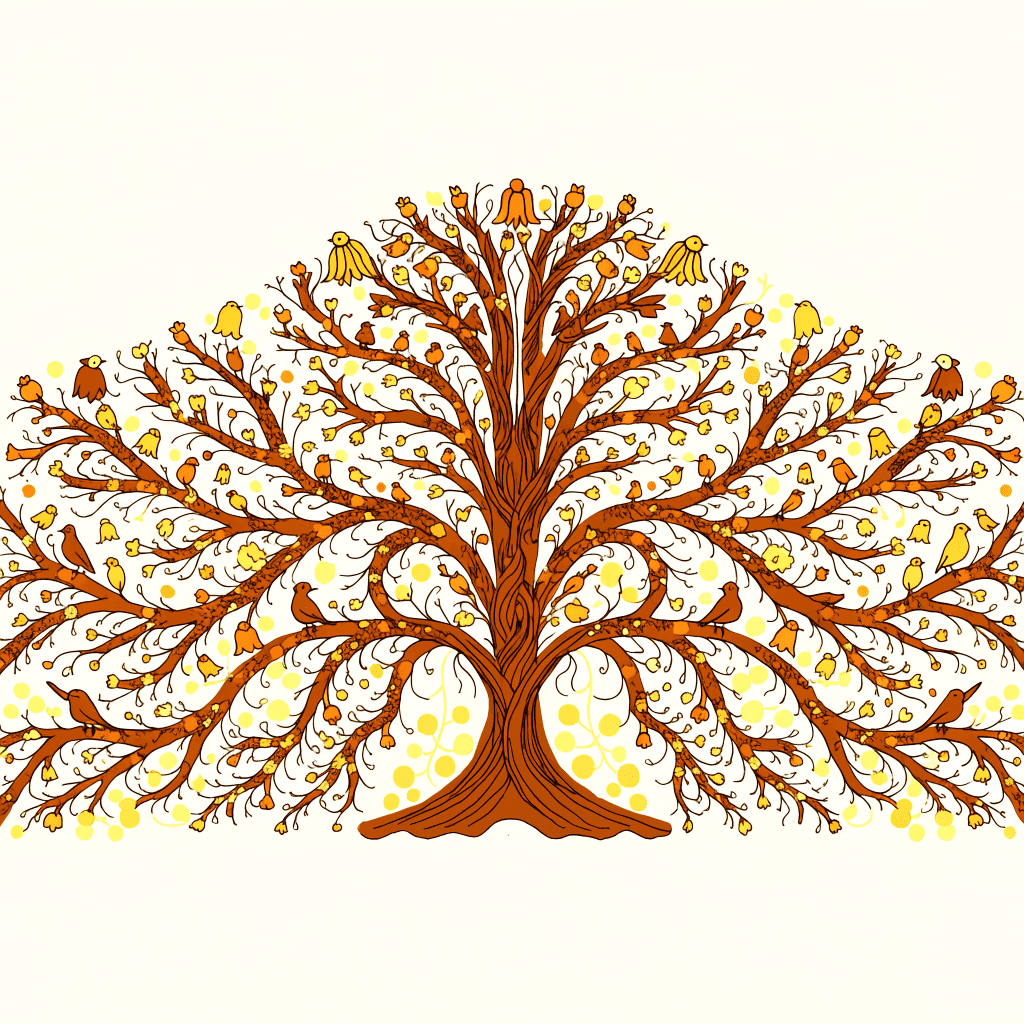
The forest world and the myths that explain it: deer, tigers, birds, snakes, the mahua tree that feeds and sustains, rivers, and origin legends where animals, gods and people trade forms. The tree of life is a signature theme — branches filled with creatures, roots holding the story together.
Explore the living traditions
We are onboarding Gond Painting artisans. Meanwhile, explore every craft available on VedikCraft today.
Explore all crafts →
At a glance
- Region
- Mandla / Dindori, Madhya Pradesh
- Community
- Gond / Pradhan Gond tribe
- Materials
- canvas, acrylic, natural-pigment
- Techniques
- dot-and-line fill, signature pattern infill
- Typical price band
- ₹800 – ₹50,000