Metal Craft
Silver Filigree — Tarakashi, Metal Spun Into Lace
Also known as Cuttack Tarakasi, Karimnagar Filigree
The story
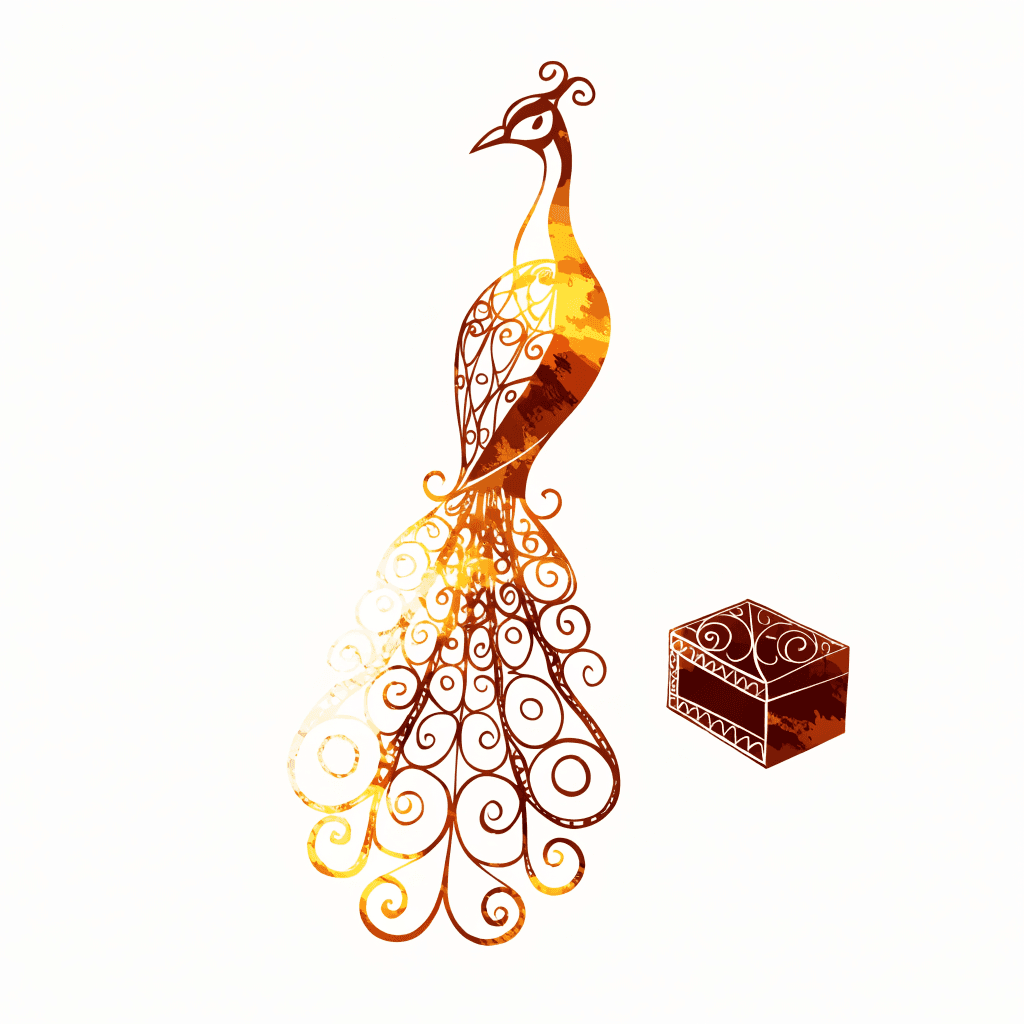
Tarakashi — from tar, wire — is the Indian art of silver filigree: drawing silver into wire fine as thread, twisting it, and building it into openwork lace. Its two great homes are Cuttack in Odisha and Karimnagar in Telangana, where the craft has been practised for roughly four centuries. Cuttack's tradition is usually traced to trade-era exchange with Persia and Southeast Asia, filtered through Mughal-period patronage; whatever the exact route, the city made the art unmistakably its own. Cuttack filigree is inseparable from Odia ritual life — silver ornaments for Odissi dancers, tarakashi vermilion boxes and anklets, and above all the spectacular chandi medha, the full filigree backdrops built for Durga Puja pandals, which stand among the most ambitious silverwork made anywhere. Karimnagar's smiths, meanwhile, developed a parallel repertoire prized for jewellery, trinket boxes and filigree animals and deities. In both cities the craft runs through hereditary silversmith families and survives on a mix of wedding jewellery, devotional commissions and collector demand. Both traditions now carry Geographical Indication protection — recognition that this particular way of coaxing metal into air-light lace belongs to the communities that perfected it.
How it is made
Filigree begins with refining silver to high purity — purer silver is softer and draws finer. The smith pulls silver rods through successively smaller dies until the wire is thread-thin, then twists two strands together and flattens them slightly, giving the wire the ribbed texture that catches light. A framework of heavier wire establishes the design's skeleton; the twisted fine wire is bent with tweezers into scrolls, spirals and leaf shapes and packed into the frame. The assembly is joined in one operation — dusted with solder filings and heated so hundreds of tiny joints fuse simultaneously, the most unforgiving moment in the craft. The piece is then pickled clean, brightened, and sometimes set with beads or gilded highlights.
Buying guide
Under magnification, real tarakashi shows individual twisted wires with visible ribbing and tiny solder joints; cast imitations are a single continuous surface with imitation 'wire' texture. Genuine work is surprisingly light for its size — it is mostly air. Check the silver purity marking and ask whether the piece is Cuttack or Karimnagar work. Simple earrings and pendants typically start around ₹2,000–5,000; elaborate jewellery sets, filigree deities and showpieces can run to ₹1.5 lakh.
Care
Store filigree in airtight pouches with anti-tarnish strips — silver's enemy is sulphurous air. Clean with a soft dry brush and a gentle silver cloth; never scrub, and avoid liquid dips, which lodge in the wirework. Handle pieces by the frame, not the lace: fine wire bends easily, and repairs need the original technique.
Good questions, honest answers
Is tarakashi filigree solid silver?
Yes — filigree demands high-purity silver, because purer silver is soft enough to draw into thread-fine wire and twist without cracking. The lightness that surprises buyers is not thin metal in disguise; it is honest construction. A genuine piece is mostly open air, held together by a lattice of real silver wire and hundreds of soldered joints.
What is the chandi medha of Cuttack?
During Durga Puja, several Cuttack pandals mount chandi medhas — full backdrops for the goddess built almost entirely of silver filigree, assembled from panels made by the city's tarakashi workshops. They are the craft's grandest public statement, drawing crowds specifically to see the silverwork, and they anchor Cuttack's reputation as India's filigree capital.
Is filigree jewellery too fragile for regular use?
Fine wire can bend under pressure, so filigree asks for the same respect as lace: store it flat or padded, put it on after perfume and hairspray, and don't crush it in a shared jewellery box. Handled that way it is remarkably durable — heirloom tarakashi pieces several generations old remain in regular ceremonial use.
Explore the living traditions
We are onboarding Silver Filigree (Tarakashi) artisans. Meanwhile, explore every craft available on VedikCraft today.
Explore all crafts →
At a glance
- Regions
- Cuttack, Odisha · Karimnagar, Telangana
- Community
- Cuttack & Karimnagar silversmiths
- Materials
- silver
- Techniques
- filigree (twisted-wire lacework)
- Typical price band
- ₹2,000 – ₹1,50,000