Textiles & Handloom
What Makes a Patan Patola Worth a Fortune
Also known as Double Ikat Patola
The story
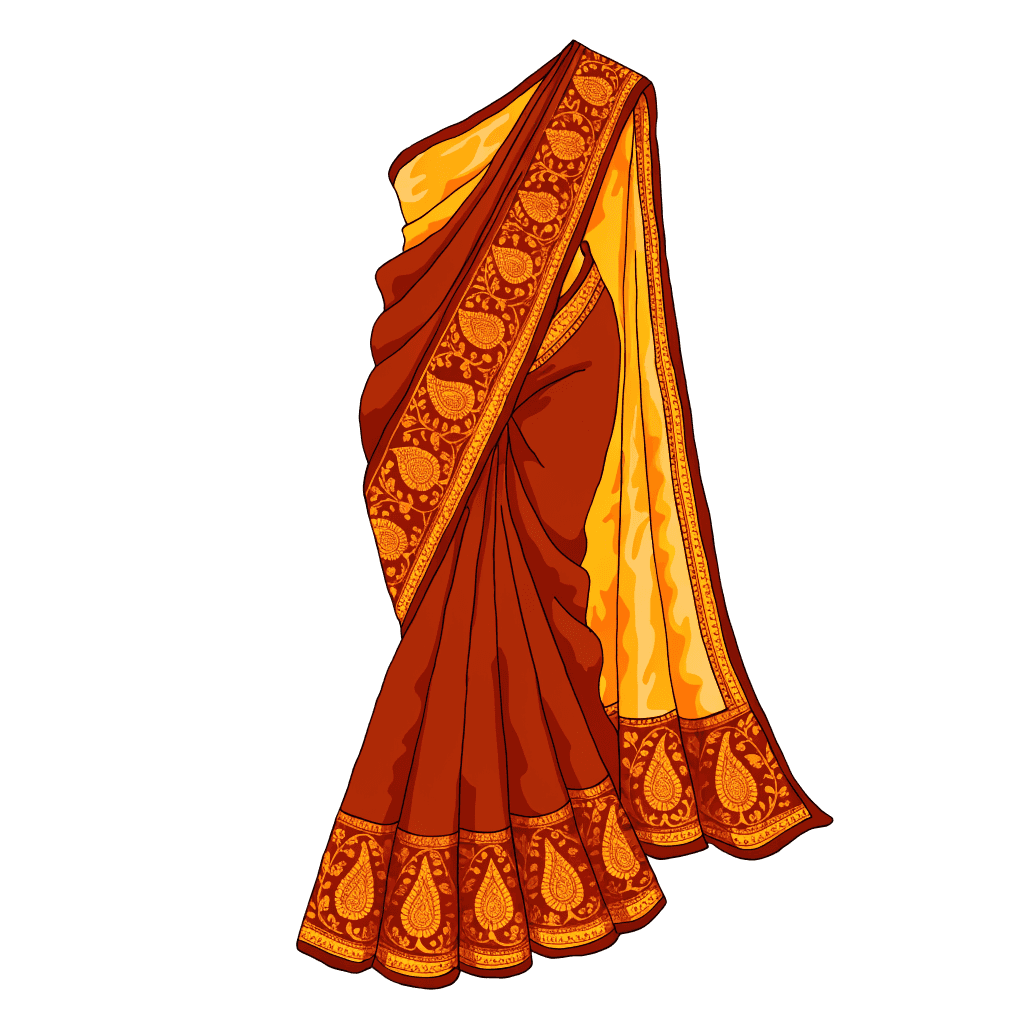
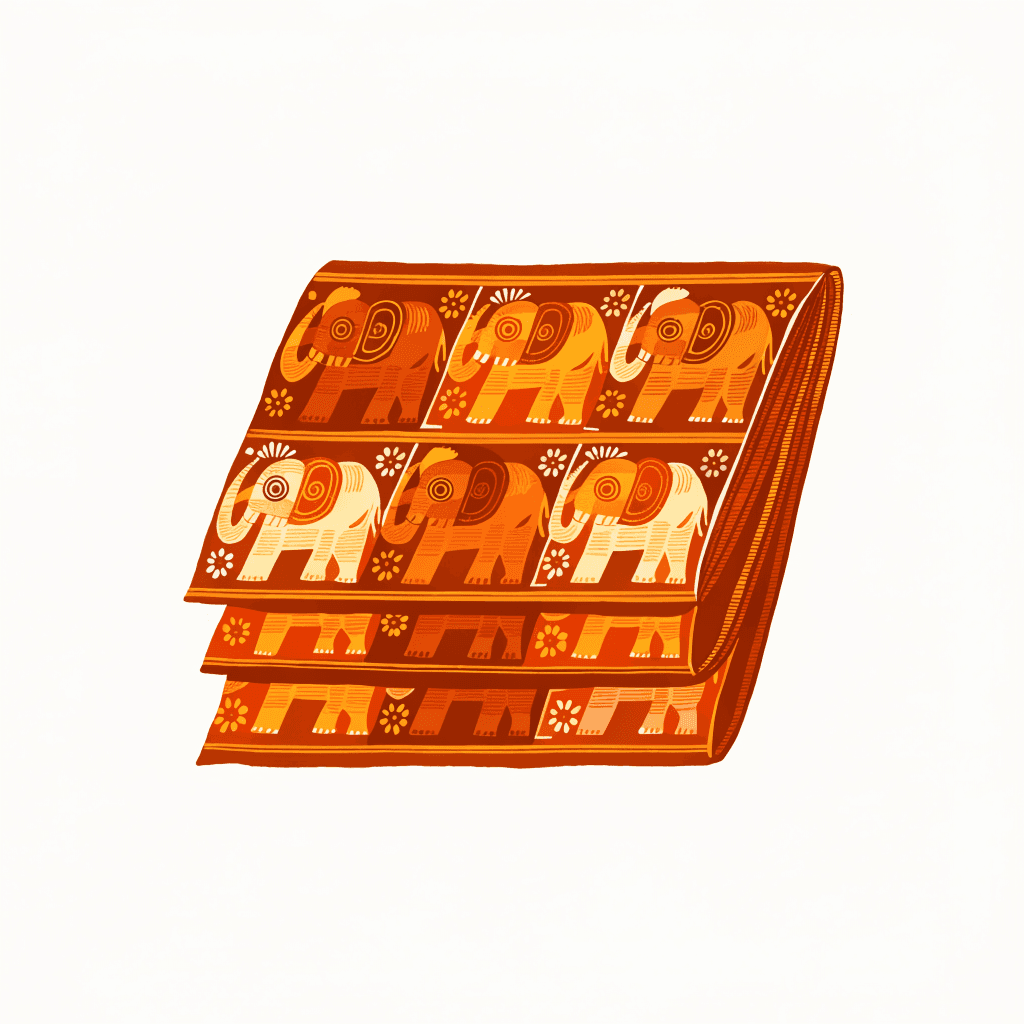
The Patan Patola stands at the summit of Indian weaving: a true double ikat, in which both warp and weft are resist-dyed before weaving and must meet on the loom in flawless registration. Tradition holds that the Solanki king Kumarapala brought hundreds of Salvi weaver families to Patan in the twelfth century so he could wear a fresh patola daily; today only a handful of Salvi families continue the craft, and waiting lists are measured in years. Patola cloth was one of India's great trade textiles — treasured across Southeast Asia, where heirloom patola served as royal regalia and ritual cloth. At home, a Gujarati saying seals its reputation: 'Padi patole bhat, phatey pan fitey nahin' — the patola's pattern may tear, but it never fades. The saris are woven of silk, traditionally coloured with natural dyes, in a small canon of designs — elephants, parrots, flowering baskets, dancing figures, geometric lattices — and they are perfectly reversible, with no wrong side. A single sari takes months of tying, dyeing and weaving. The Patan Patola Geographical Indication now protects the name of this rarest of Indian weaves.
How it is made
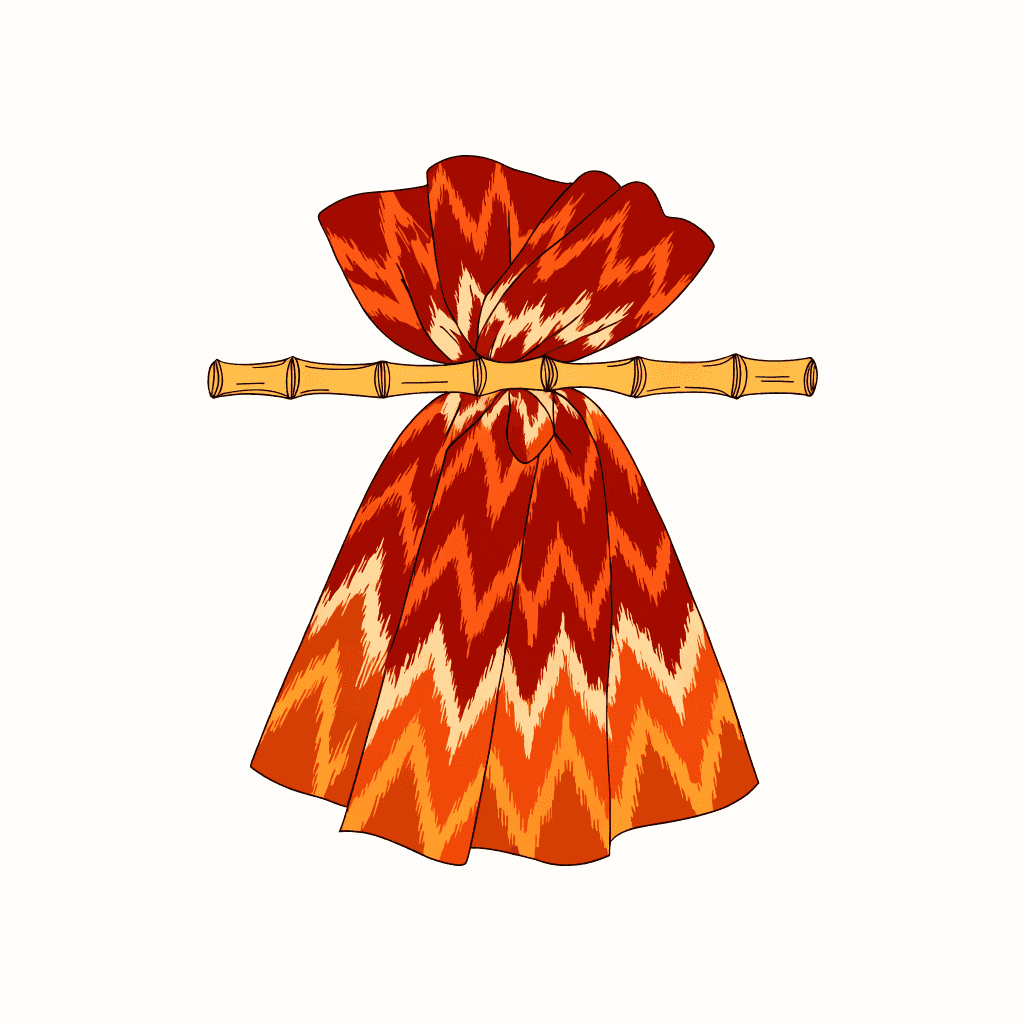
The pattern is fixed before the loom is touched. Working from a precise plan, the weavers mark bundles of silk warp and weft thread, bind them with cotton resist at every point that must escape the dye, and dye them colour by colour — tying and retying between baths until each thread carries its share of the final design. On the loom, traditionally worked at a slight tilt by two weavers, warp and weft patterns must land exactly on each other; alignment is coaxed thread by thread as weaving proceeds. There are no shortcuts and no corrections in the cloth — an error tied into the yarn months earlier will surface in the sari. Hence the months; hence the price.
Buying guide
The definitive test is reversibility: a Patan Patola is identical on both faces, with no wrong side, and its motifs show the soft, slightly stepped edges of dyed yarn. Single-ikat 'patola' from other centres — attractive in its own right — has a distinct front and back and costs far less; it should never be sold at Patan prices. Expect genuine pieces to start around ₹80,000 and reach ₹10,00,000. Buy with GI documentation and clear provenance to a Patan workshop, and be patient — supply is tiny.
Care
Treat it as the heirloom it is. Dry-clean rarely, if ever; airing in shade handles most needs. Store wrapped in unbleached muslin, flat, refolding along different lines twice a year so creases never set. Keep it away from damp, perfume and direct sunlight — though patola dyes are famously steadfast, silk itself deserves the caution.
Good questions, honest answers
Why is a Patan Patola so expensive?
Everything about it is slow and scarce. Both warp and weft are hand-tied and resist-dyed to a precise plan before weaving, then aligned thread by thread on the loom — months of work for one sari, by a handful of Salvi family weavers who alone carry the full technique. Prices from roughly ₹80,000 to ₹10,00,000 reflect labour and rarity, not markup.
How is Patan Patola different from other 'patola' saris?
Patan Patola is double ikat: warp and weft are both dyed, making the sari fully reversible with identical faces. Most saris sold as 'patola', notably from Rajkot, are single ikat — only one set of threads carries the pattern, the reverse differs, and the price is a fraction of Patan's. Both are legitimate textiles; only one is Patan Patola, and the GI protects that distinction.
Do the colours really never fade?
That is the craft's oldest boast, preserved in the Gujarati saying that the patola may tear but its colour will not go. Because dye penetrates the loose yarn before weaving, colour saturates every thread rather than sitting on the surface, and centuries-old patola in collections still hold their reds. With sensible care, fading is the least of an owner's worries.
Explore the living traditions
We are onboarding Patan Patola artisans. Meanwhile, explore every craft available on VedikCraft today.
Explore all crafts →
At a glance
- Region
- Patan, Gujarat
- Community
- Salvi weaver family
- Materials
- silk, natural-dye
- Techniques
- double-ikat resist dyeing
- Typical price band
- ₹80,000 – ₹10,00,000