Stone Craft
South Indian Soapstone Carving, from Lamp to Lattice
The story
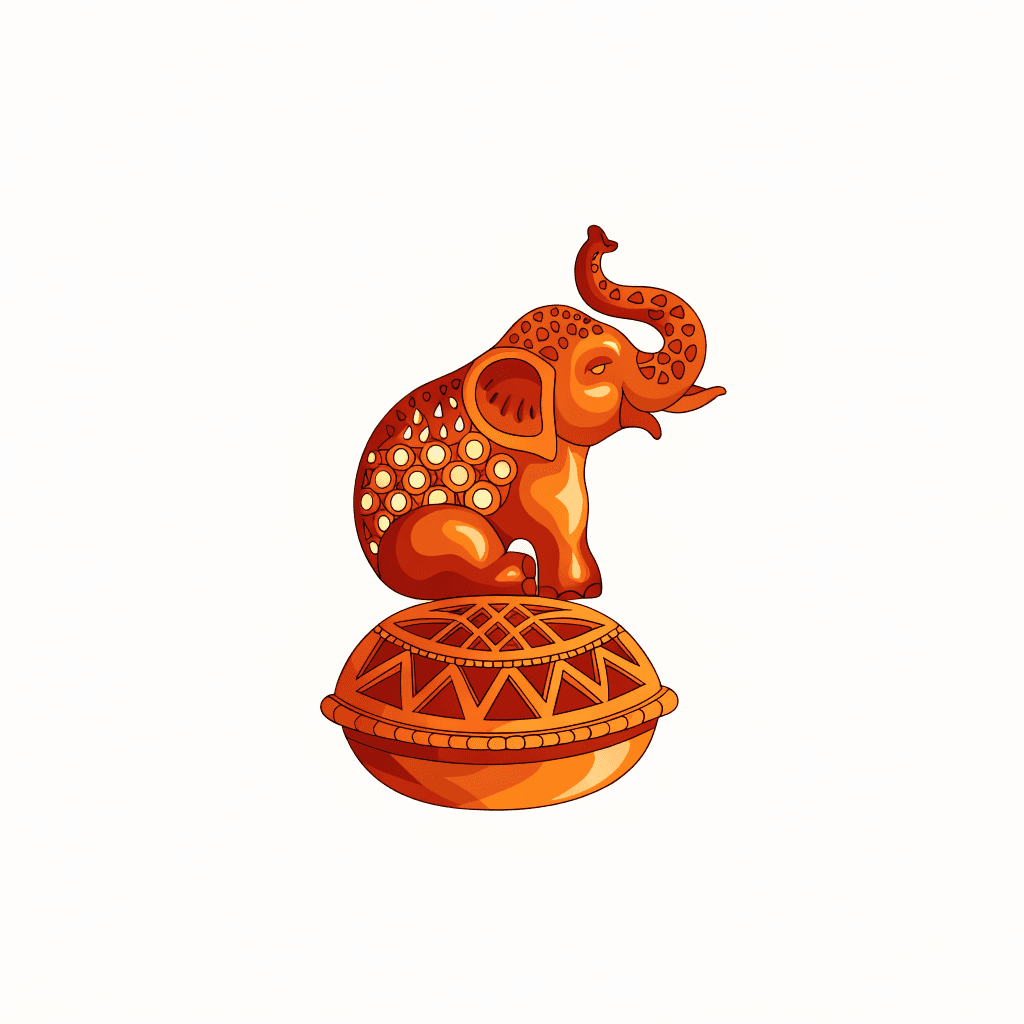
Soapstone — steatite, a talc-rich stone soft enough to mark with a fingernail — has been carved in India for as long as India has carved anything. The seals of the Harappan cities were cut in steatite more than four thousand years ago, and medieval sculptors of the Deccan chose soft, fine-grained stones of the same family for temple work of astonishing intricacy. In South India today the craft continues in workshops scattered across Tamil Nadu and its neighbours, where artisans turn the stone's softness into its signature: pierced and latticed forms no harder stone would tolerate. The classic product is the lamp — a shade or diya-house drilled and fretted into jali patterns so that flame or bulb light falls through in constellations. Alongside come figurines of deities, boxes, incense holders and decorative ware, all carved rather than moulded. The stone itself has a quiet appeal: dense, cool, faintly soapy to the touch, in tones from pale grey-green to deep charcoal. It asks little of the carver's arm and everything of the carver's judgement, since a slip in soft stone cannot be sanded away.
How it is made
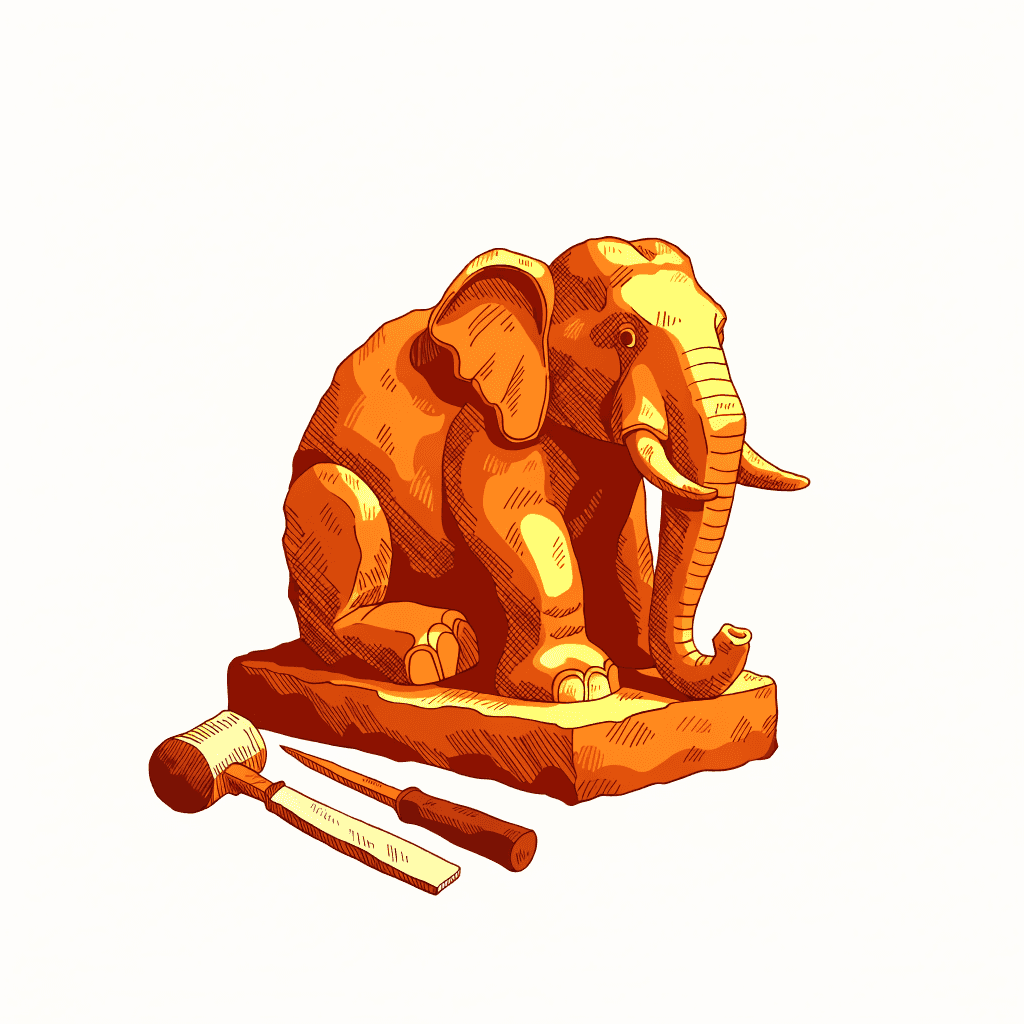
Blocks of steatite are sawn to rough size — the stone cuts with ordinary hand saws — and the design is pencilled directly onto the surface. Carving proceeds with knives, files, rasps and small chisels; soapstone's softness allows long, controlled cuts and crisp detail without power tools. For lattice work the artisan first drills through the marked openings, then patiently connects and shapes them with fine blades until the wall becomes a screen. Surfaces are smoothed with fine abrasive paper and often finished with a light coat of oil or wax, which deepens the colour from chalky grey to rich green-black. Some pieces are gently heated — an old trick, known since Harappan bead-makers — which hardens the stone's surface.
Buying guide
The touch test is the tell: real soapstone feels dense, cool and slightly soapy, and a hidden spot will mark under a firm fingernail — moulded resin fakes feel light and warm. Price follows fineness of the openwork: simple figurines and small diyas start around ₹300–₹800, detailed lattice lamps sit in the ₹1,500–₹6,000 range, and large, intricately pierced showpieces reach ₹15,000. Check lattice walls for cracks and repairs, and prefer evenly cut, symmetrical piercing.
Care
Soapstone scratches easily — that softness is the price of its detail — so keep pieces where they will not be knocked or slid against hard objects. Dust with a soft brush that can reach into the lattice. Wash with mild soap and water if needed, dry fully, and revive the finish with a drop of mineral oil rubbed in with a cloth. It tolerates lamp heat comfortably.
Good questions, honest answers
Why is it called soapstone?
The stone — geologists call it steatite — is rich in talc, the softest common mineral, which gives its surface a smooth, faintly greasy feel, like a bar of dry soap. That softness is what makes the craft possible: artisans can cut lattice screens and fine detail with simple hand tools that harder stones would blunt or shatter under.
Is soapstone safe to use with lamps and heat?
Yes — soapstone is notably heat-resistant, which is why it has traditionally been used for cooking vessels and stoves. Diyas, incense holders and lamp shades in soapstone handle flame and bulb warmth without cracking or scorching. Just place burning diyas on a stable surface and keep fabric away from openwork shades, as you would with any lamp.
How do I tell soapstone from marble or resin?
Soapstone feels smooth and almost soapy, and a firm fingernail will leave a faint mark on an unpolished spot — marble is far harder and colder, while resin feels light and warms quickly in the hand. Soapstone pieces are noticeably heavy for their size. Sellers passing soapstone off as marble is the more common trick; the fingernail test settles it.
Explore the living traditions
We are onboarding Soapstone Carving artisans. Meanwhile, explore every craft available on VedikCraft today.
Explore all crafts →
At a glance
- Region
- South India (various)
- Community
- stone artisans
- Materials
- soapstone (steatite)
- Techniques
- fine hand carving
- Typical price band
- ₹300 – ₹15,000