Textiles & Handloom
Tussar Silk of Bhagalpur — Wild, Golden, Handwoven
Also known as Kosa silk, Bhagalpuri silk
The story
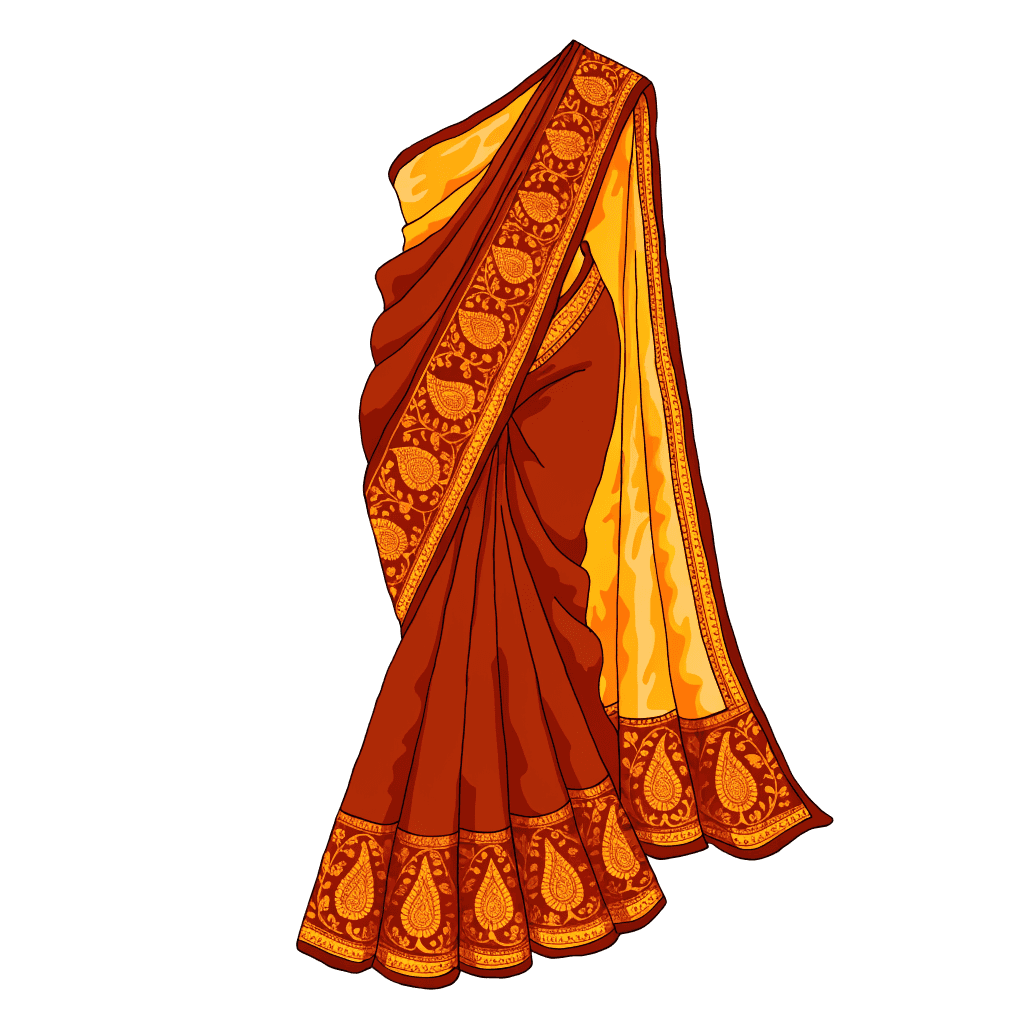
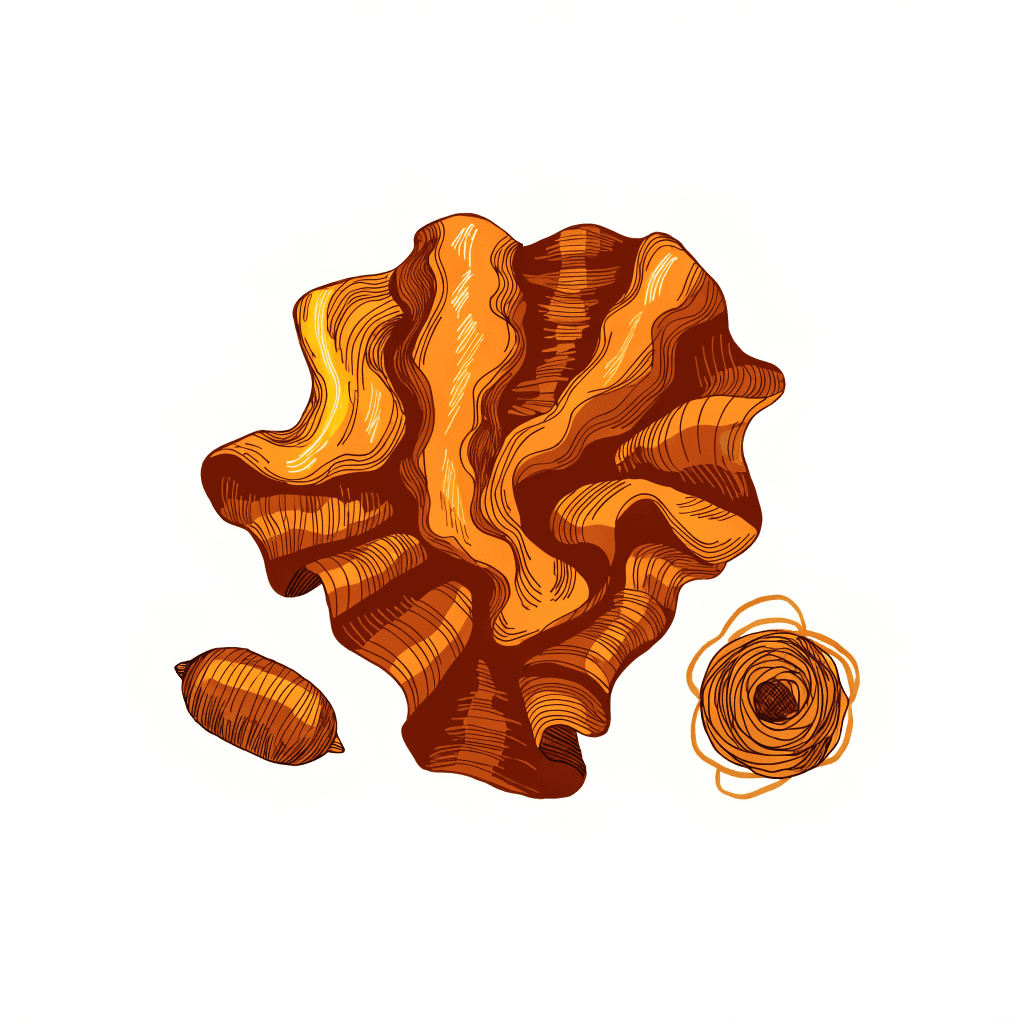
Tussar is silk with the forest still in it. Unlike mulberry silk, reeled from domesticated worms, tussar comes from wild silkworms that feed on asan, arjun and sal trees across the forests of eastern and central India. Tribal communities in Jharkhand and Chhattisgarh — where the fibre is called kosa — have long gathered and reared the cocoons, and Bhagalpur on the Ganga turned that wild thread into a weaving civilisation. Known as India's Silk City, Bhagalpur has traded silk for centuries; its weaving families have passed looms, throwing skills and dye recipes down the generations, and the town's fabric travelled the old trade routes long before it filled modern export catalogues. Tussar itself carries an ancient pedigree — wild silks are among the oldest fibres named in Indian textile tradition. What defines Bhagalpuri tussar is its texture: a natural golden-beige colour, an earthy sheen, and the slubs — small thickenings in the yarn — that mark it as a wild, hand-reeled fibre. Coarser and more breathable than mulberry silk, cooler in summer and warmer in winter, it became the connoisseur's choice for sarees, stoles and furnishing fabric with a quiet, organic character.
How it is made
Tussar cocoons arrive from forest collection centres and are boiled to soften the sericin gum, then reeled — traditionally thigh-reeled by hand in the producing regions — into a yarn that keeps its irregular, slubbed profile. Because the wild fibre is shorter and less uniform than mulberry silk, the yarn carries natural thickenings that become the fabric's signature texture. In Bhagalpur the yarn is degummed, sometimes dyed — though many weavers keep the natural gold — sized, and dressed onto handlooms. Weavers throw the shuttle for plain body yardage and add extra-weft borders and butis for sarees. A saree takes days on the loom; the finished cloth has tussar's dry, crisp hand and honeyed shine.
Buying guide
Run your fingers across the weave: true tussar shows irregular slubs and a dry, crisp hand, with a muted golden sheen rather than mulberry silk's glassy shine. A burn test on a loose thread smells of burnt hair — but the honest shortcut is buying from GI-verified Bhagalpur sources. Beware 'art silk' (viscose) sold as tussar at implausible prices. Stoles and yardage typically start around ₹2,000, with fine handwoven sarees ranging up to ₹60,000.
Care
Dry cleaning is safest, especially for sarees. If you hand-wash plain tussar, use cold water and a drop of gentle shampoo, never wring, and dry flat in shade — wild silk weakens when wet. Iron on low while slightly damp, on the reverse. Store in muslin, away from damp; tussar's crispness returns beautifully with light steaming.
Good questions, honest answers
What is the difference between tussar and mulberry silk?
Mulberry silk comes from domesticated silkworms and is smooth, white and uniform. Tussar comes from wild silkworms feeding on forest trees, giving a naturally golden fibre that is shorter, slightly coarser and textured with slubs. Tussar breathes better and drapes with more body, while mulberry is glossier and finer. Neither is 'better' — they are different fabrics for different moods.
Why does tussar silk have small bumps in the fabric?
The bumps are slubs — natural thickenings in hand-reeled wild-silk yarn. Because tussar filaments are shorter and less uniform than mulberry silk, the spun yarn varies in thickness, and honest handloom weaving keeps that variation visible. Slubs are a mark of authenticity: perfectly even 'tussar' is usually powerloom mulberry, viscose or a blend imitating the look.
Is tussar silk suitable for warm climates?
Yes — that is one of its great strengths. Tussar's fibre structure is more porous than mulberry silk, so the fabric breathes well and feels cooler against the skin, which is why Bhagalpuri tussar sarees and kurtas are summer favourites. It also insulates gently in winter, making stoles and dupattas comfortable across most of the year.
Explore the living traditions
We are onboarding Tussar Silk (Bhagalpur) artisans. Meanwhile, explore every craft available on VedikCraft today.
Explore all crafts →
At a glance
- Regions
- Bhagalpur, Bihar · Chhattisgarh · Jharkhand
- Community
- Bhagalpur weavers
- Materials
- tussar/kosa wild silk
- Techniques
- handloom weaving
- Typical price band
- ₹2,000 – ₹60,000