Cane, Bamboo & Basketry
Madurkathi: Bengal's GI-Tagged Grass Mats
The story
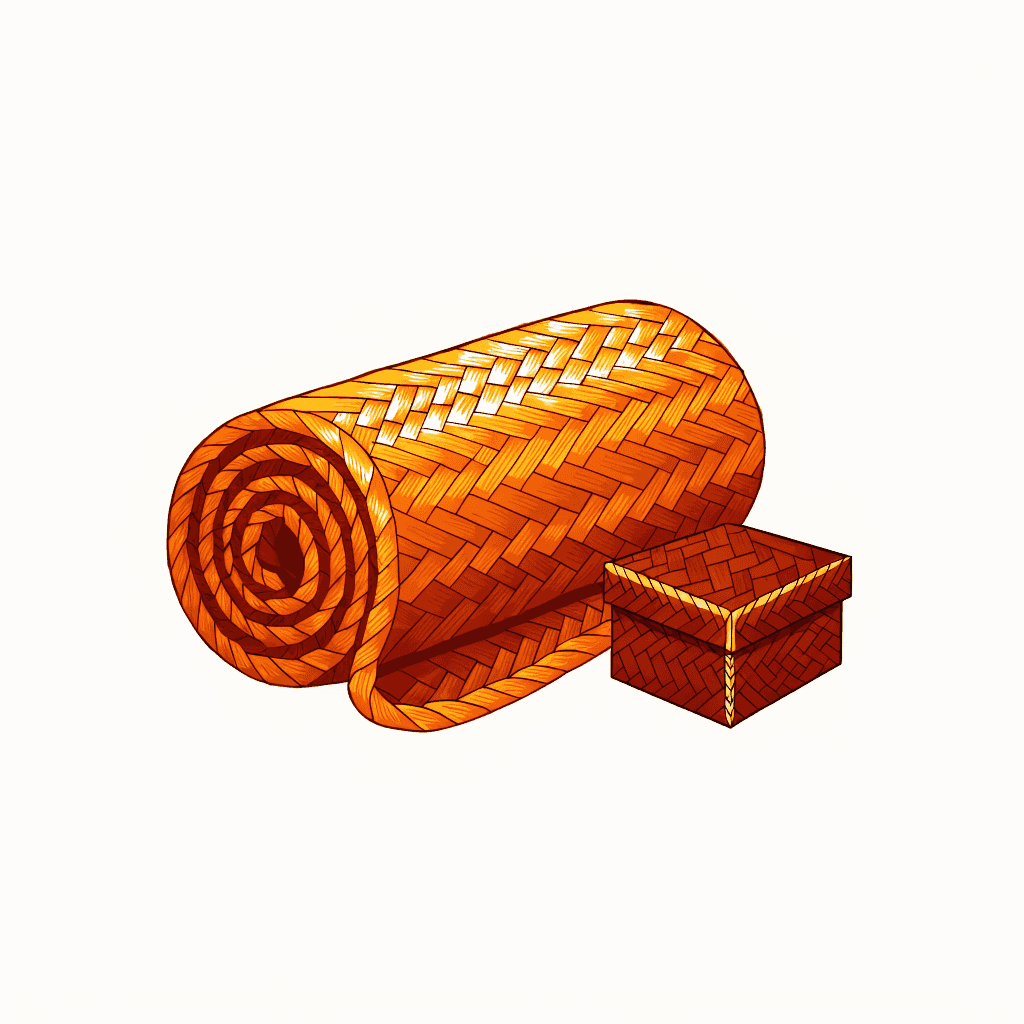
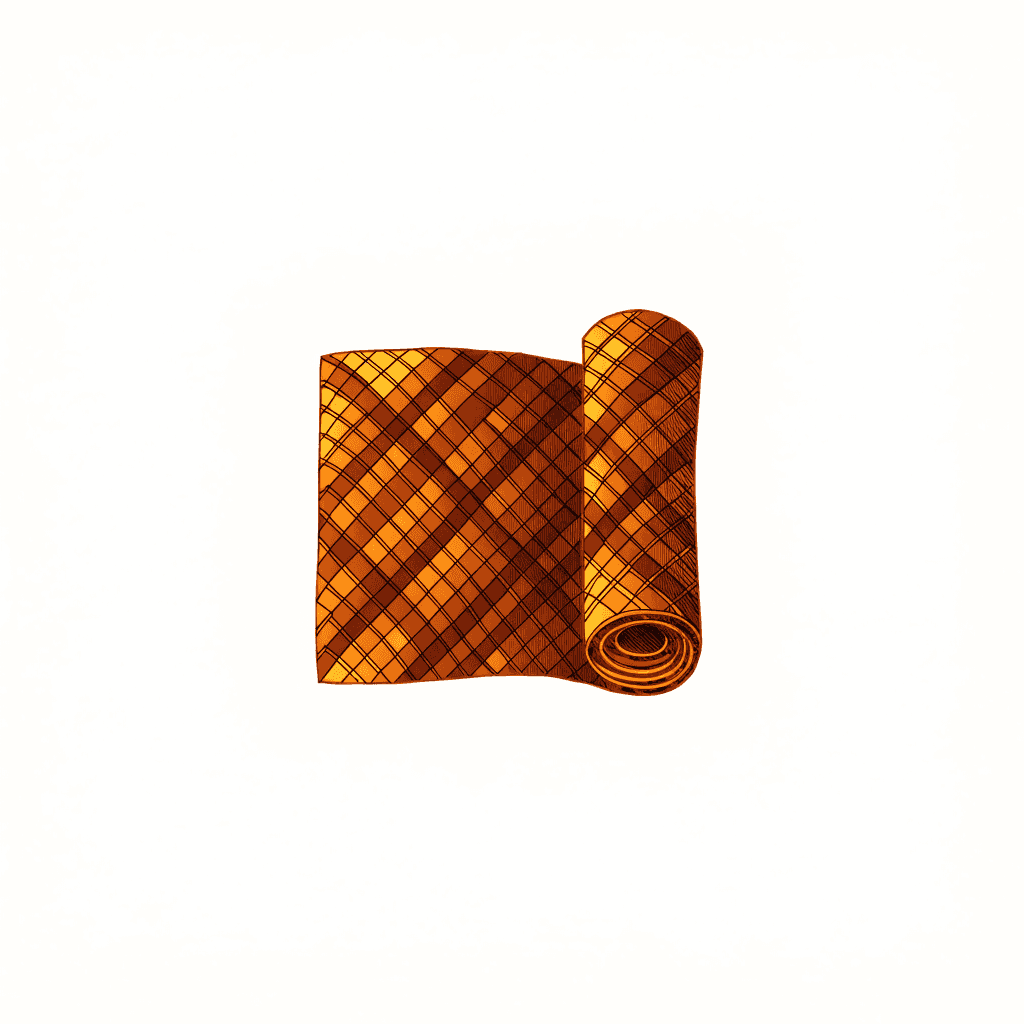
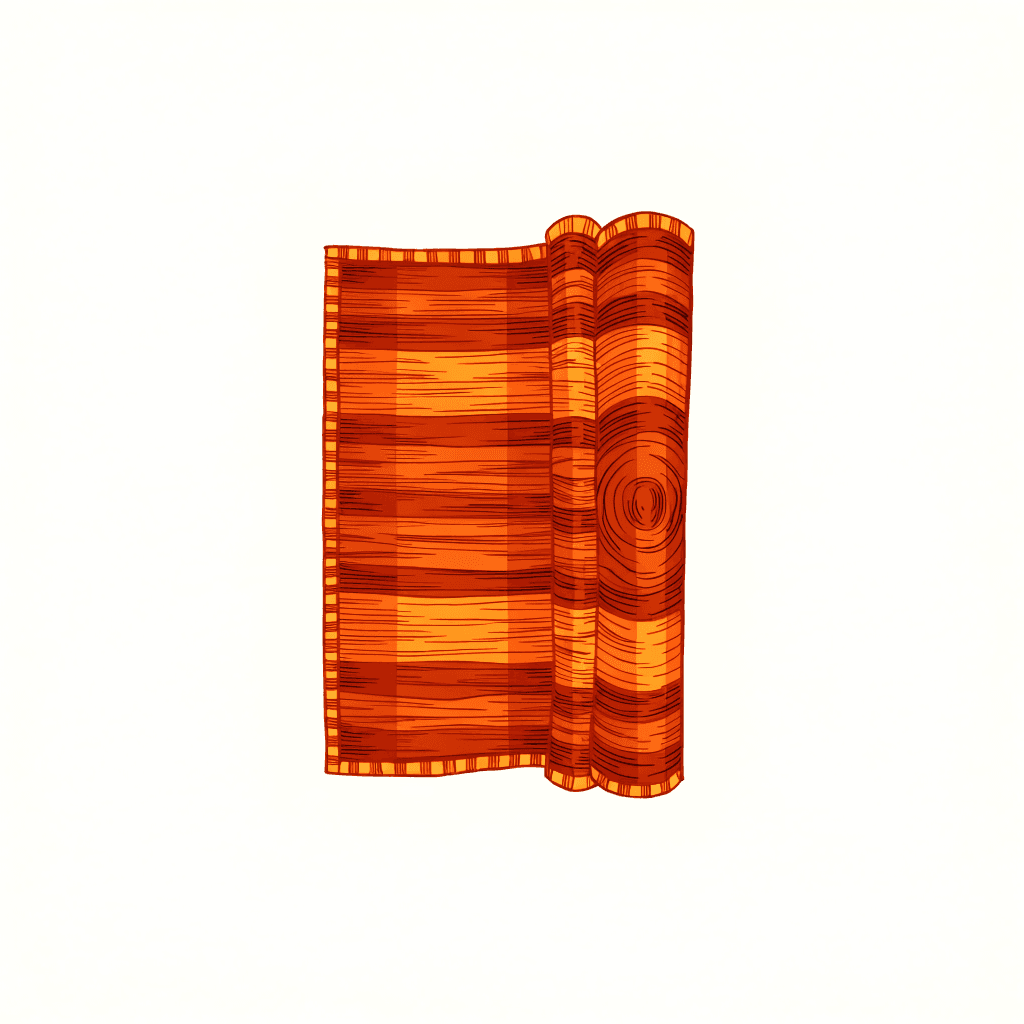
In the moist alluvial tracts of Medinipur, West Bengal, a slender sedge called madur kathi — a cyperus reed — grows tall in low-lying fields, and for generations the district's weavers have turned it into the mat Bengal sleeps and sits on. The madur is a fixture of Bengali domestic life: unrolled for afternoon rest, spread for guests, laid out for prayer — valued because the reed stays cool against the skin through the sodden months of summer. The weave comes in recognised grades: everyday single-weft ek-rokha, denser do-rokha, and at the summit the masland — a fine, close, almost silken mat historically prized enough to be presented to royalty, and still the connoisseur's madur. Weaving is largely women's work, done at home on simple frame looms between agricultural seasons, and whole villages in Purba and Paschim Medinipur are organised around the craft, from reed cultivation to finished mat. The tradition now carries a registered Geographical Indication, and its repertoire has widened — table mats, runners, rugs and screens join the classic floor mat — but the heart of it is unchanged: a local reed, a household loom, and a cool place to sit.
How it is made
Madur kathi reed is cultivated in wetland plots, cut, split lengthwise, and sun-dried until it turns pale gold; strips destined for patterned mats are dyed, traditionally with vegetable colours. The loom is elemental: a bamboo frame strung with a cotton warp. The weaver slides each reed strip through by hand as weft, one at a time, beating it snug before the next — no shuttle mechanism, just rhythm and patience. Ordinary mats take single reeds per pick; a masland uses the finest splits, packed dense, sometimes with two weavers working the loom together. Borders are strengthened with extra cotton, the ends knotted and trimmed. A large fine mat can absorb weeks of intermittent household labour.
Buying guide
Feel is the first test: real madur is cool, smooth and flexible, with a visible cotton warp running through the weave — plastic imitations squeak and feel warm. Grades matter: ek-rokha for everyday use, do-rokha for durability, masland when you want the finest. Everyday mats and table sets typically cost ₹300–₹1,200; larger do-rokha mats and rugs run ₹1,500–₹4,000; fine masland pieces reach ₹9,000. Check for even beating, straight borders and colourfast dyes.
Care
Roll madur mats loosely for storage — folding creases and cracks the reed. Sweep or vacuum gently, and wipe with a damp cloth; never soak or machine-wash, which weakens the cotton warp. Dry any dampness promptly in shade and give mats an occasional airing in mild sun to deter mildew. Kept dry and rolled, a good madur lasts many years and softens pleasantly with use.
Good questions, honest answers
What is a masland mat?
Masland is the finest grade of madur — woven from the thinnest reed splits, packed dense on the loom until the surface feels almost like fabric. Historically these were prestige mats, fine enough to be gifted to royalty, and they remain the most expensive and sought-after Madurkathi weave. If you want one heirloom-grade piece, masland is it.
Why choose a madur mat over a plastic one?
Comfort and character, mainly: madur reed stays cool against the skin in humid weather, breathes rather than sweats, and ages into a soft patina instead of cracking. It is also fully biodegradable and supports Medinipur's weaving households, whereas plastic chatai is petroleum in mat form. The GI tag lets you verify you are getting the real reed.
Can Madurkathi work as a rug on modern floors?
Yes — larger do-rokha mats and purpose-woven madur rugs sit well on tile, stone or wood, adding warmth and texture. Use a thin anti-slip underlay on very smooth floors, keep the mat dry, and rotate it occasionally for even wear. Table runners and place mats from the same weave extend the look to the dining table.
Explore the living traditions
We are onboarding Madur Kathi Mats artisans. Meanwhile, explore every craft available on VedikCraft today.
Explore all crafts →
At a glance
- Region
- Medinipur, West Bengal
- Community
- Medinipur weavers
- Materials
- madur grass (cyperus)
- Techniques
- loom-weaving of grass
- Typical price band
- ₹300 – ₹9,000