Textiles & Handloom
Pochampally Ikat: Pattern Dyed into the Thread
Also known as Pochampally, Telia Rumal
The story
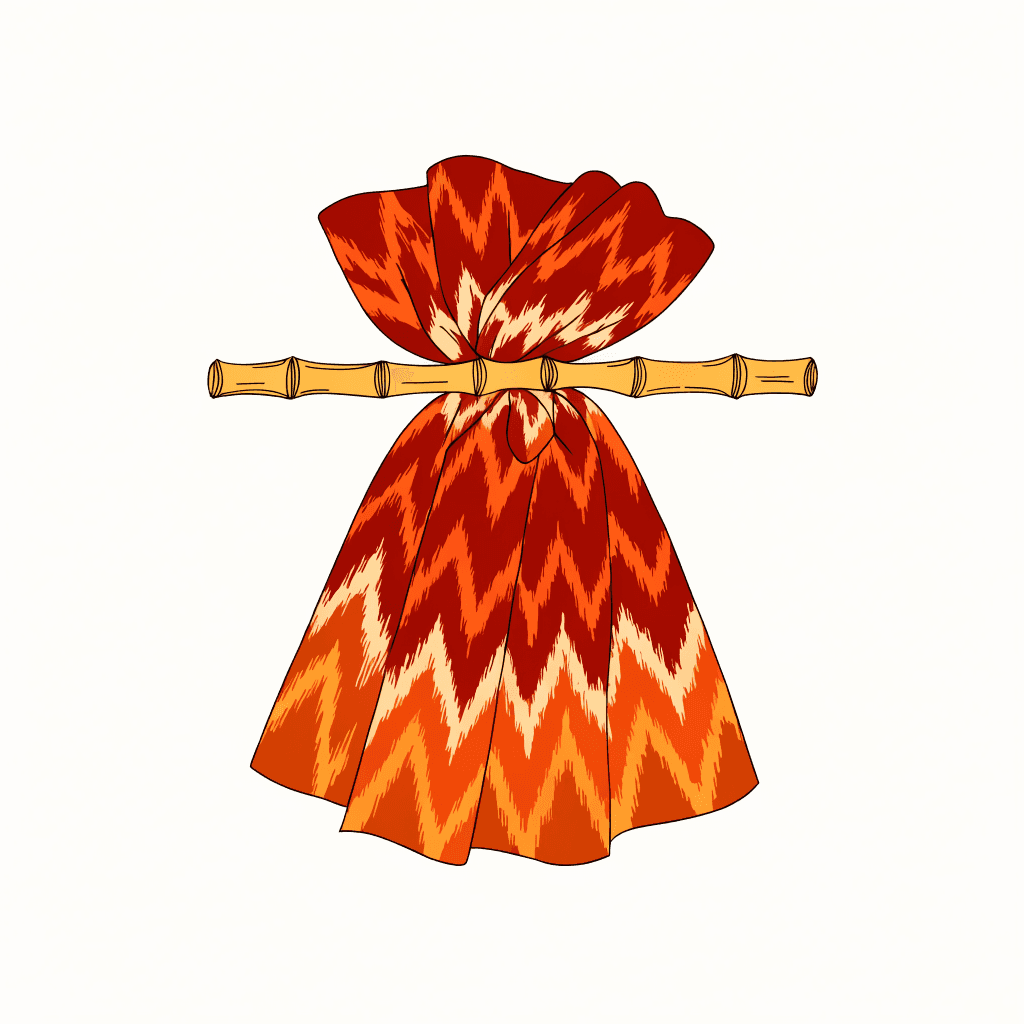
Bhoodan Pochampally, a weaving town in Telangana, carries a rare double distinction: it lent its name to a national movement and set a national precedent in craft protection. The prefix commemorates the Bhoodan land-gift movement, which began here in 1951 when Vinoba Bhave received its first donation of land. Decades later, Pochampally Ikat became one of the first names entered in India's Geographical Indication register — a landmark for handloom. The craft itself is a quiet piece of engineering: ikat, known locally by names like chitki, dyes the pattern into the yarn before weaving. Bundles of thread are tied and resist-dyed to a plan, so when they are woven, the design emerges from within the cloth — softly edged, visible on both faces, impossible to print. Pochampally absorbed and extended the region's older Telia Rumal legacy and grew into a town of loom-filled households producing saris, dupattas and yardage in cotton and silk, in single ikat and the far more demanding double ikat, where warp and weft are both dyed and must align. Its geometric vocabulary — diamonds, chevrons, chowka squares — is recognised worldwide.
How it is made
The design is first plotted on graph paper, and the yarn does the rest. Threads are stretched, grouped and marked against the plan, then bound tightly with resist wrapping at every point that must stay undyed. The bundles go into the dye bath; the ties come off; new ties go on for the next colour — repeated until the yarn itself holds the finished pattern. In single ikat only the warp or weft is dyed this way; in double ikat, both are, and the weaver must align the two dye-patterns pick by pick as the cloth grows. The hallmark soft, feathered edge of every motif is the honest signature of pattern born in the thread.
Buying guide
Flip the fabric: true ikat shows the pattern on both faces, because the design lives in the yarn — a printed imitation has a clearly duller reverse. Look for the soft, feathered motif edges; suspiciously crisp lines mean print. Double ikat, where warp and weft both carry dye-patterns, costs meaningfully more than single. Cotton pieces typically start around ₹2,000, with fine silk and double-ikat saris reaching ₹80,000. GI and Handloom Mark labels are worth insisting on.
Care
Cotton ikat handles gentle home washing — cold water, mild detergent, dried in shade to protect the dyes. Silk pieces should be dry-cleaned. Iron on the reverse at moderate heat, store folded in a breathable cotton wrap, and refold saris every few months. Avoid prolonged direct sun, which fades even well-dyed yarn over time.
Good questions, honest answers
How is ikat different from a printed pattern?
In ikat, the yarn is tie-dyed before weaving, so the pattern is inside the cloth — visible on both faces, with characteristically soft, feathered edges where the resist met the dye. A print is applied to finished fabric: sharper edges, a duller reverse. The flip test takes five seconds and catches most imitations sold at handloom prices.
What is the difference between single and double ikat?
Single ikat resist-dyes either the warp or the weft; the other set of threads is plain. Double ikat dyes both, and the weaver must align two independent dye-patterns as the cloth is woven — dramatically harder and slower, and priced accordingly. Pochampally produces both, so ask which you are looking at; the label 'ikat' alone does not say.
Is Pochampally ikat only for saris?
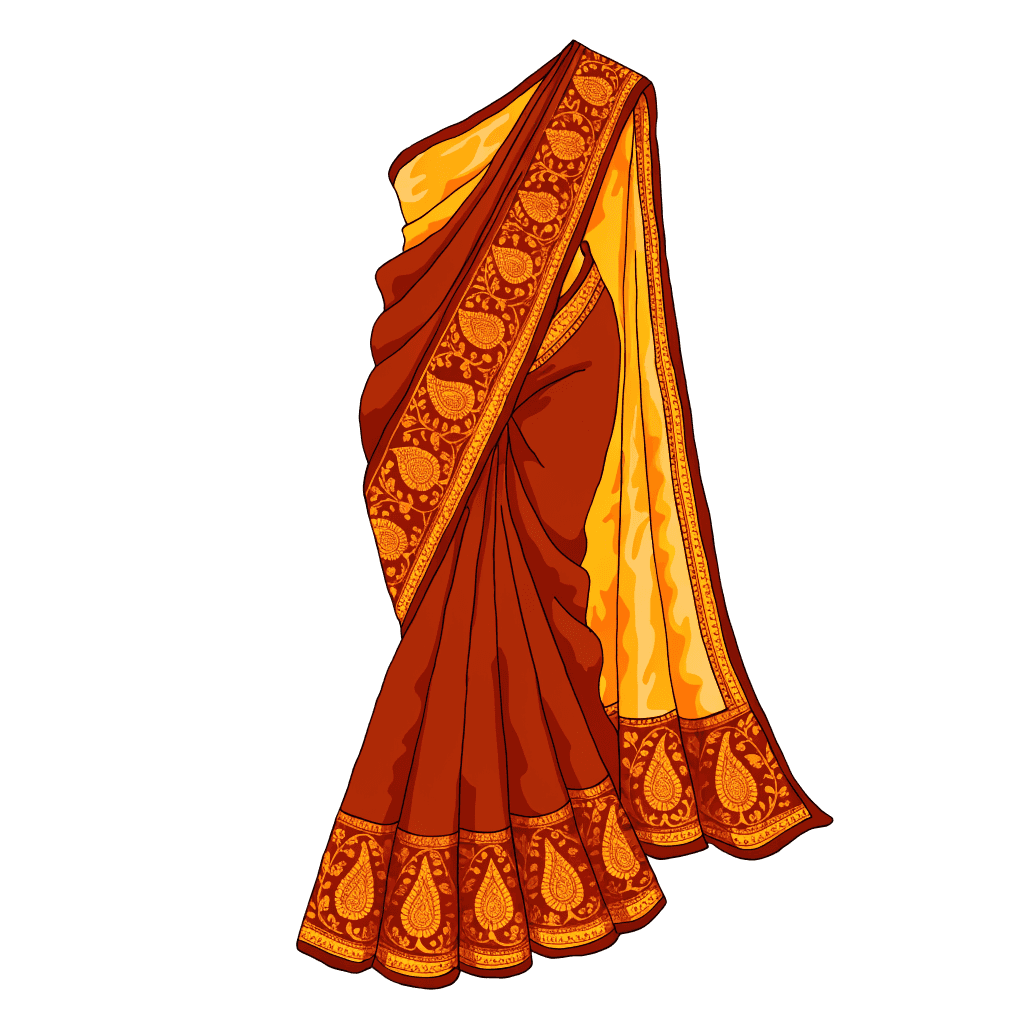
No. The town weaves saris, dupattas and running yardage in cotton and silk, and its geometry has travelled onto bedcovers, cushions, jackets and upholstery. Cotton yardage is one of the most affordable ways to own genuine handloom ikat, while fine silk saris — especially double ikat — anchor the top of the range.
Explore the living traditions
We are onboarding Pochampally Ikat artisans. Meanwhile, explore every craft available on VedikCraft today.
Explore all crafts →
At a glance
- Region
- Bhoodan Pochampally, Telangana
- Community
- Pochampally weavers
- Materials
- cotton, silk
- Techniques
- resist tie-dye yarn (ikat), double ikat
- Typical price band
- ₹2,000 – ₹80,000