Cane, Bamboo & Basketry
Ringaal Weaving — Uttarakhand's Dwarf Bamboo Craft
The story
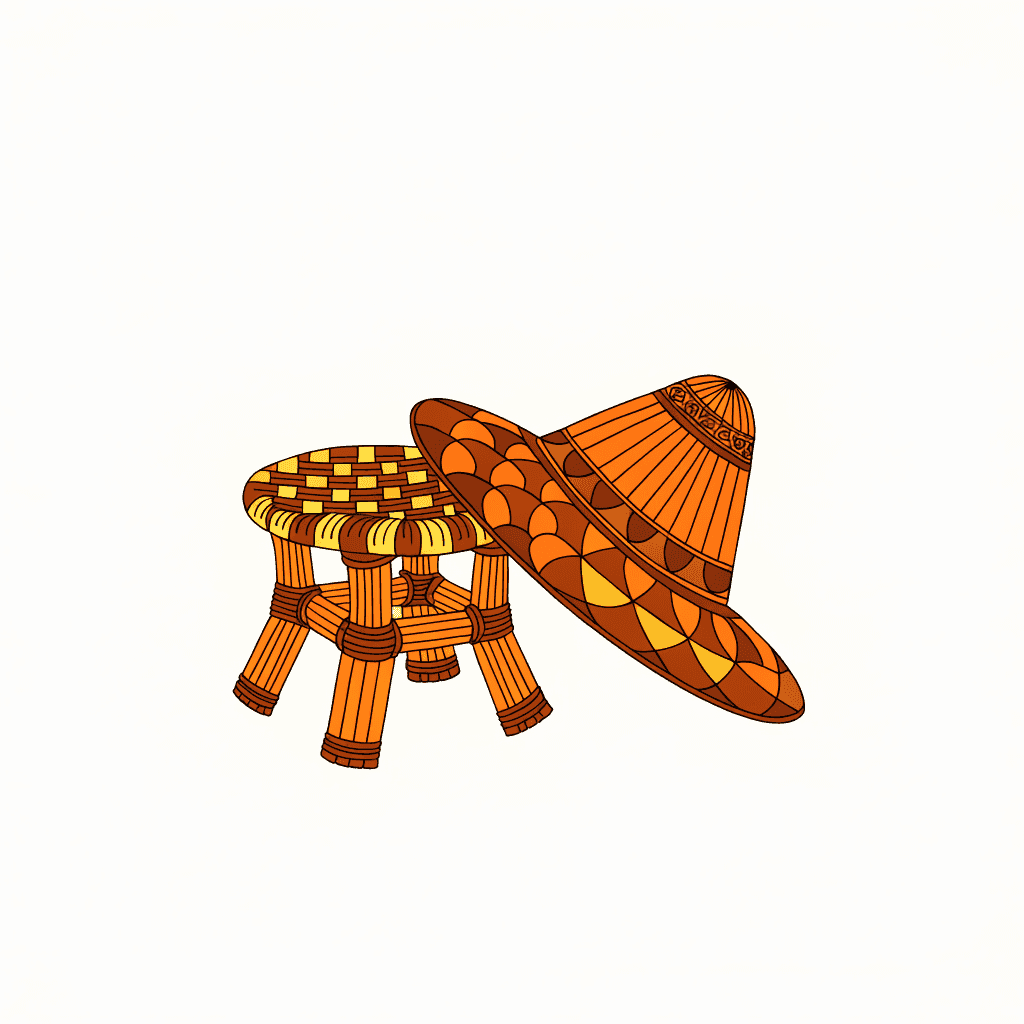
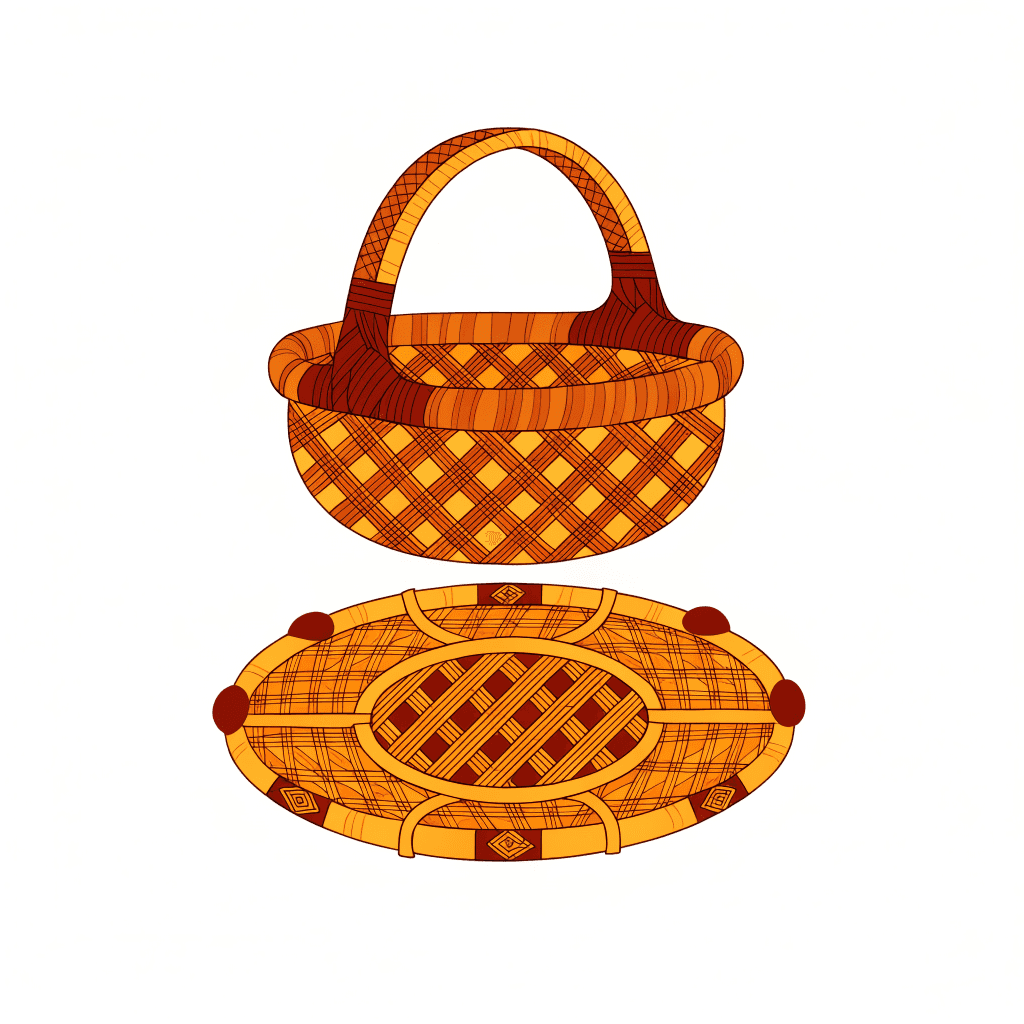
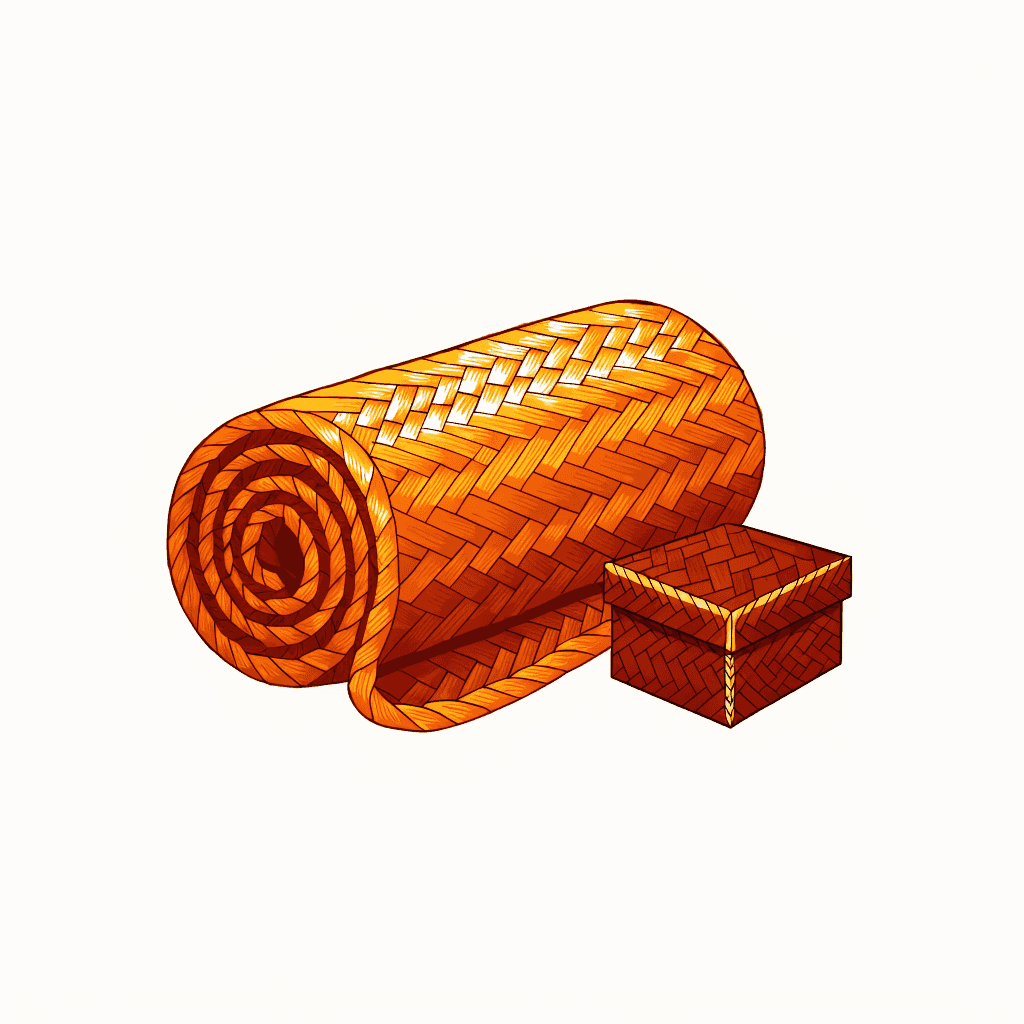
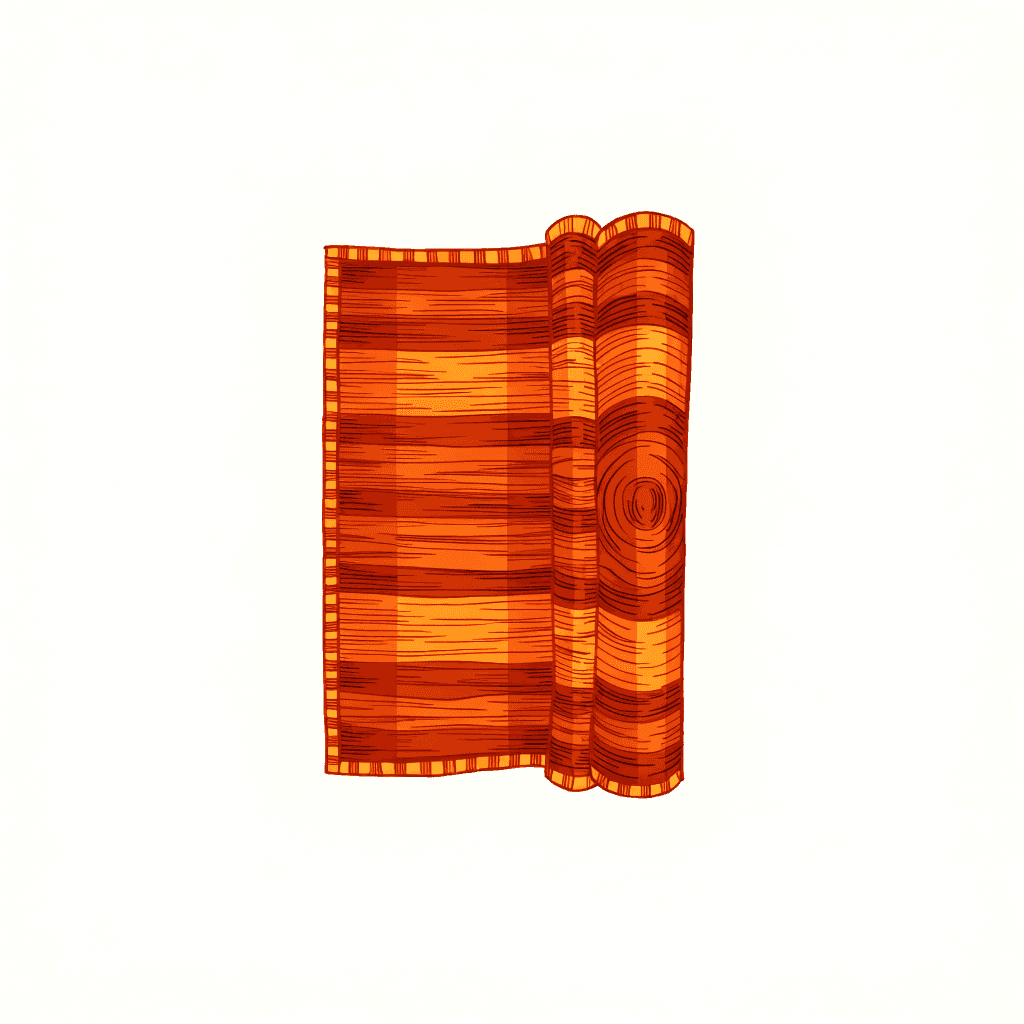
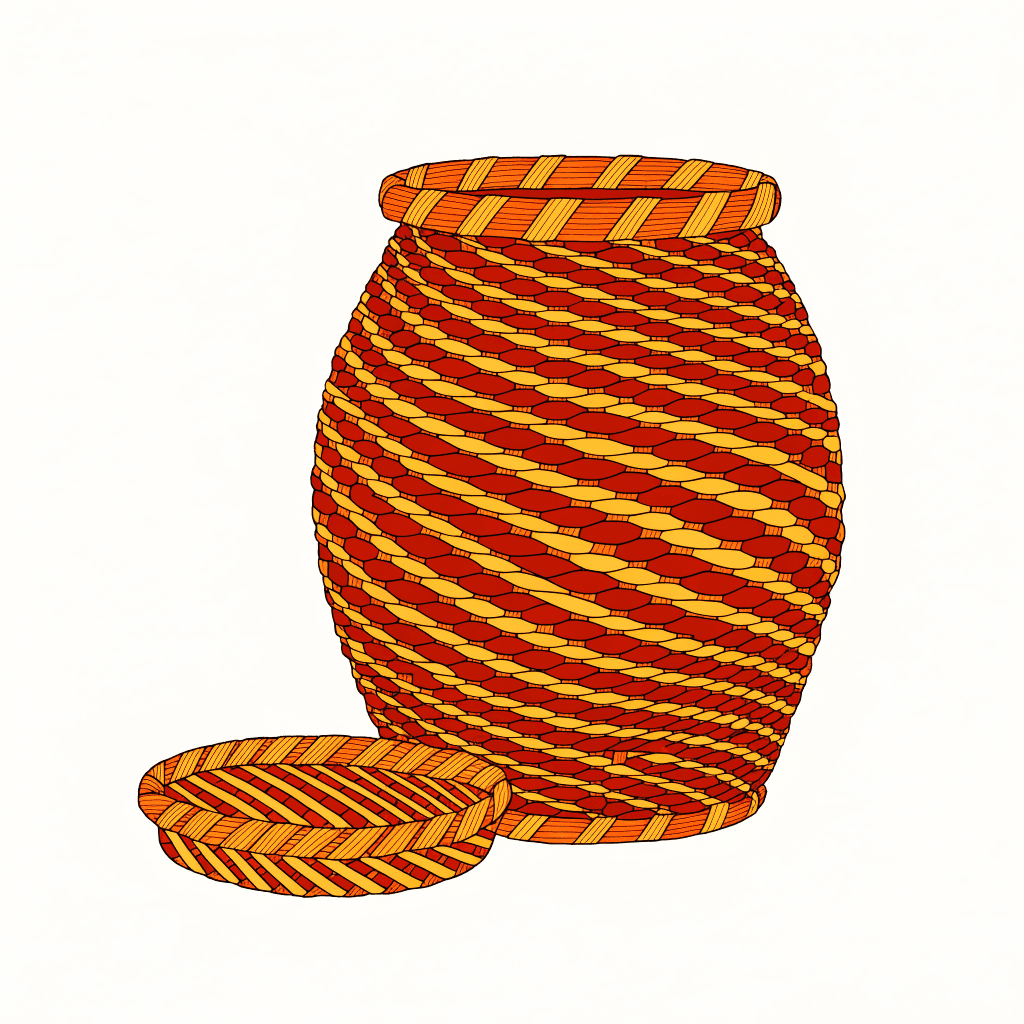
High in the Garhwal and Kumaon Himalaya grows ringaal, a slender dwarf bamboo rarely thicker than a finger, found in cool oak and rhododendron forests well above the range of ordinary bamboo. For the hill villages of Uttarakhand it has long been the everyday material of life: split and woven into the carrying baskets that move fodder and firewood on people's backs, the winnowing trays that clean grain after harvest, mats for drying produce and covering floors, containers for seed, and even simple flutes. Ringaal weaving is a craft of the agricultural calendar — traditionally taken up in the winter months when the fields rest and households need income, with skills handed down within families of Kumaoni and Garhwali artisans. Because ringaal grows quickly and regenerates after cutting, the craft has always sat lightly on the mountain forests it depends on. In recent years its honest, unornamented forms — pale, tightly woven, quietly geometric — have found a second life as pen stands, planters, lampshades and storage for city homes, bringing hill incomes from a plant that has served the Himalaya for centuries.
How it is made
Ringaal culms are cut from high-altitude groves, ideally at maturity when the walls have hardened, and carried down to the village. Each thin stem is split lengthwise with a sharp knife into fine, flexible slats, which are smoothed and sorted by width. Weaving follows the basket's job: open hexagonal weaves for airy fodder baskets, tight diagonal twill for grain trays and mats that must not spill a seed. The weaver typically starts from the base, working the ribs upward and outward, shaping the form entirely by hand and eye — no moulds, no frames. Rims are strengthened by folding the ribs back into the body or binding them with extra strips. The finished piece is simply sun-dried; ringaal's pale golden colour is its own finish.
Buying guide
Look for fine, even splitting — good ringaal work uses narrow slats of consistent width, woven tight enough that a grain tray could actually clean grain. The rim tells you most: it should be firmly bound or folded back with no protruding ends. Ringaal is naturally pale gold; avoid heavily varnished pieces that hide the weave. Everyday baskets and trays typically cost ₹200–₹1,500, with large or intricate decorative pieces reaching ₹8,000.
Care
Keep ringaal dry and out of prolonged direct sun. Dust with a soft brush and wipe occasionally with a barely damp cloth, drying promptly. In very dry, heated rooms a light wipe with a faintly oiled cloth once or twice a year prevents brittleness. Do not soak, and store pieces off damp floors during the monsoon.
Good questions, honest answers
What exactly is ringaal?
Ringaal is a dwarf bamboo of the Himalaya — thin-stemmed, dense enough to split cleanly, and rarely thicker than a finger. It grows at altitudes where ordinary bamboo cannot, in the cool forests of Garhwal and Kumaon, which is why it became the signature craft material of Uttarakhand's hill villages.
How is ringaal craft different from other bamboo work?
Scale and fineness. Because ringaal stems are so slender, the slats split from them are naturally narrow, producing a tighter, more delicate weave than most lowland bamboo work. The aesthetic is also distinct: pale, undyed and quietly geometric — hill utility refined by centuries of daily use rather than decorated for the market.
Is buying ringaal craft sustainable?
Yes, unusually so. Ringaal regenerates rapidly after cutting and is harvested by hand from village-adjacent groves, so the craft takes little from the forest. It also provides winter income to Himalayan farming households, supporting families through the months when the fields are idle — your purchase feeds directly into that mountain economy.
Explore the living traditions
We are onboarding Ringaal Bamboo Craft artisans. Meanwhile, explore every craft available on VedikCraft today.
Explore all crafts →
At a glance
- Region
- Uttarakhand
- Community
- Kumaoni & Garhwali artisans
- Materials
- ringaal (dwarf hill bamboo)
- Techniques
- splitting & weaving
- Typical price band
- ₹200 – ₹8,000