Paintings & Folk Art
Tanjore Painting: Gold, Gesso and Devotion
Also known as Tanjore
The story
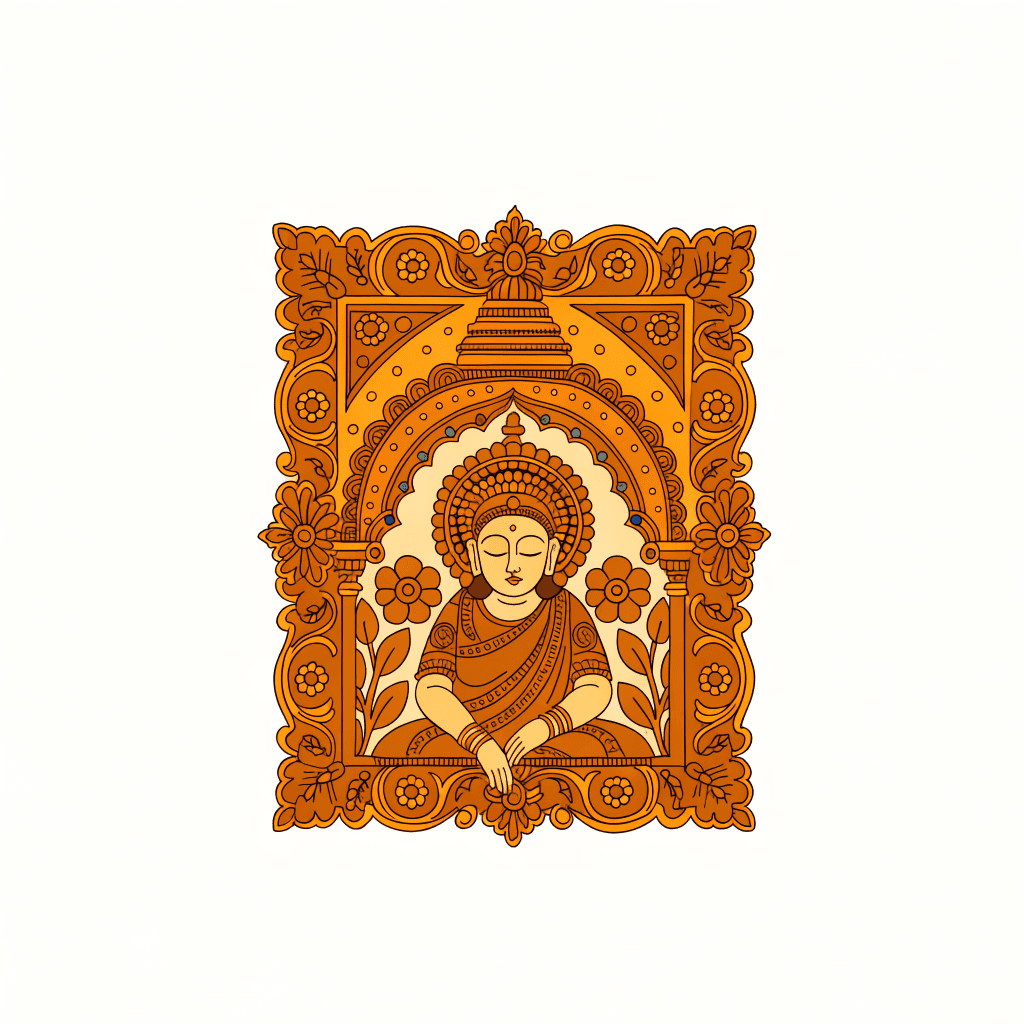
Thanjavur painting took shape in the ateliers of the Nayaka rulers of Thanjavur in the sixteenth and seventeenth centuries, heirs to the Vijayanagara style, and reached its full opulence under the Maratha court that followed — a period of lavish temple and palace patronage. It was conceived as devotional furniture for the home: solid wooden panels of gods radiant enough to anchor a puja room. The look is unmistakable. A deity — very often the baby Krishna, or Lakshmi, Ganesha, Murugan — sits framed in an arched niche, with rounded, serene faces, deep reds and greens, and jewellery, crowns and drapery raised in gesso relief, sheathed in 22-carat gold foil and set with glittering glass stones. The gold is the point: lit by a lamp, a Tanjore panel glows. These works became fixtures of South Indian life — wedding gifts, ancestral heirlooms passed down with the family deities. The tradition never left its home city; workshops around Thanjavur still build panels the old way, and the craft is protected by the 'Thanjavur Paintings' Geographical Indication, anchoring the name to the place that made it famous.
How it is made
A Tanjore painting is built, not just painted. The base is a wooden plank — traditionally jackfruit or teak — over which cloth is pasted with gum and smoothed with a chalk paste. The design is sketched, and then comes the signature step: a thick gesso of chalk powder and binder is raised into relief over crowns, jewellery, arches and garment borders. Glass beads and cut stones are bedded into the wet gesso. Sheets of 22-carat gold foil are pressed over the relief work and burnished, so every raised line catches light. Only then are the flat areas painted — rich reds, greens and blues — with faces modelled and eyes finished last. The completed panel is framed, usually behind glass, ready for decades of lamplight.
Buying guide
Real gold foil is the first test: it has a continuous, mirror-bright warmth that gold paint cannot fake, and it will not dull with age. Run your eye across the relief — good gesso work is crisp and evenly raised, with stones bedded firmly, not glued flat. Check that the panel base is solid wood or quality board. Small panels typically start around ₹3,000; large 22-carat heirloom pieces with fine stonework can reach ₹2,00,000.
Care
Hang away from direct sunlight and kitchen smoke, and keep humidity moderate — gesso relief dislikes damp. Most Tanjore paintings are framed behind glass; keep it that way, and dust the frame with a dry cloth. Never wipe the gold or painted surface itself, and have any lifting foil or loose stones repaired professionally.
Good questions, honest answers
Is the gold in a Tanjore painting real?
In authentic work, yes — thin 22-carat gold foil pressed over gesso relief, which is why genuine panels keep their glow for generations without tarnishing. Cheaper decorative versions substitute gold-coloured paint or imitation foil, which dulls with time. Ask explicitly for the gold specification when you buy; reputable workshops state it.
How is Tanjore painting different from Mysore painting?
They are sibling courtly styles from the same Vijayanagara roots. Tanjore is the opulent one: thick raised gesso, heavy gold foil, inset glass stones and bold primary colour. Mysore work is flatter and subtler — thin low-relief gold, a muted palette, finer line. If it sparkles with stones, it is almost certainly Tanjore.
Where should I display a Tanjore painting?
Traditionally the puja room, where lamplight brings the gold alive — but any wall away from direct sun and moisture suits it. These are heirloom objects: hung well, a genuine panel outlasts its first owner. Avoid bathrooms, exterior damp walls and spots above heat sources like stoves.
Explore the living traditions
We are onboarding Thanjavur (Tanjore) Painting artisans. Meanwhile, explore every craft available on VedikCraft today.
Explore all crafts →
At a glance
- Region
- Thanjavur, Tamil Nadu
- Community
- Thanjavur painters
- Materials
- wood-panel, gold-foil, gesso, gemstones
- Techniques
- gold-leaf gilding, gesso relief, stone-setting
- Typical price band
- ₹3,000 – ₹2,00,000