Pottery & Ceramics
Khurja Pottery: India's Everyday Glazed Ceramics
The story
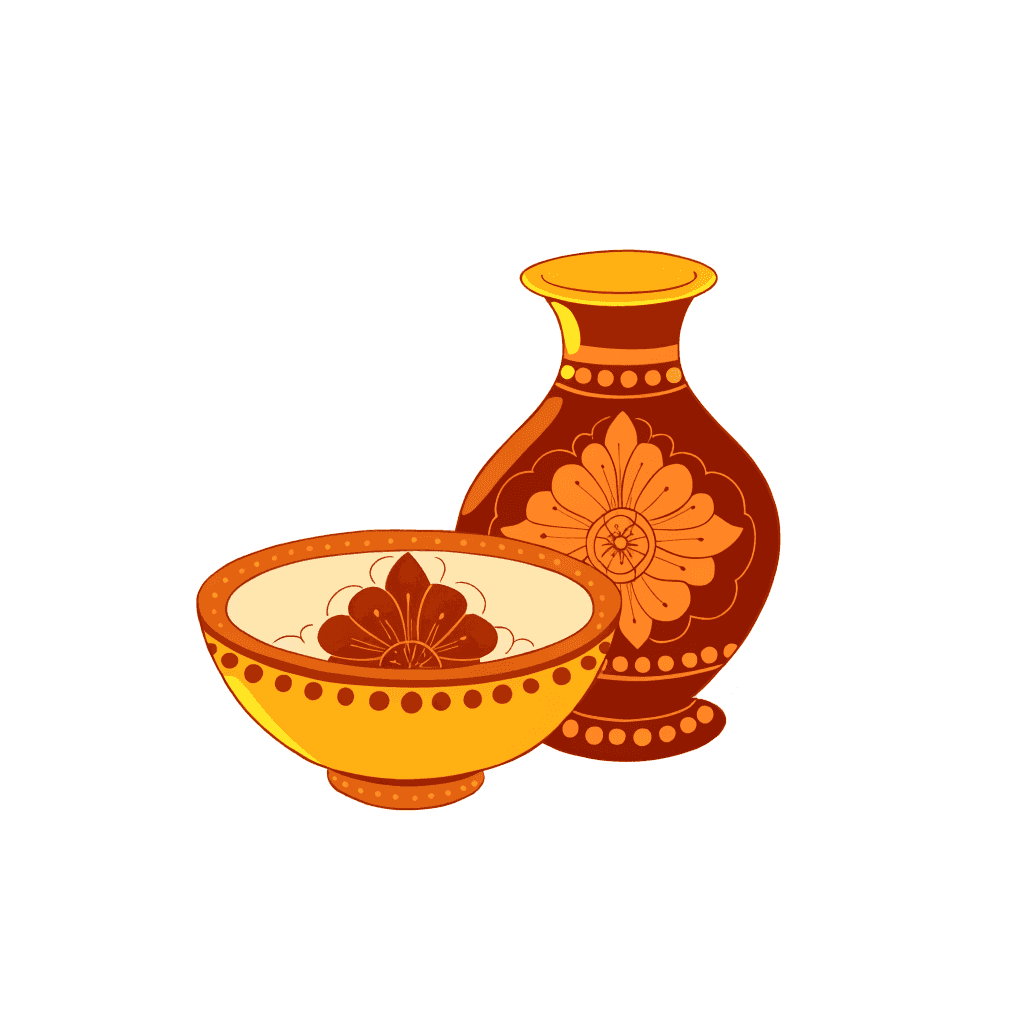
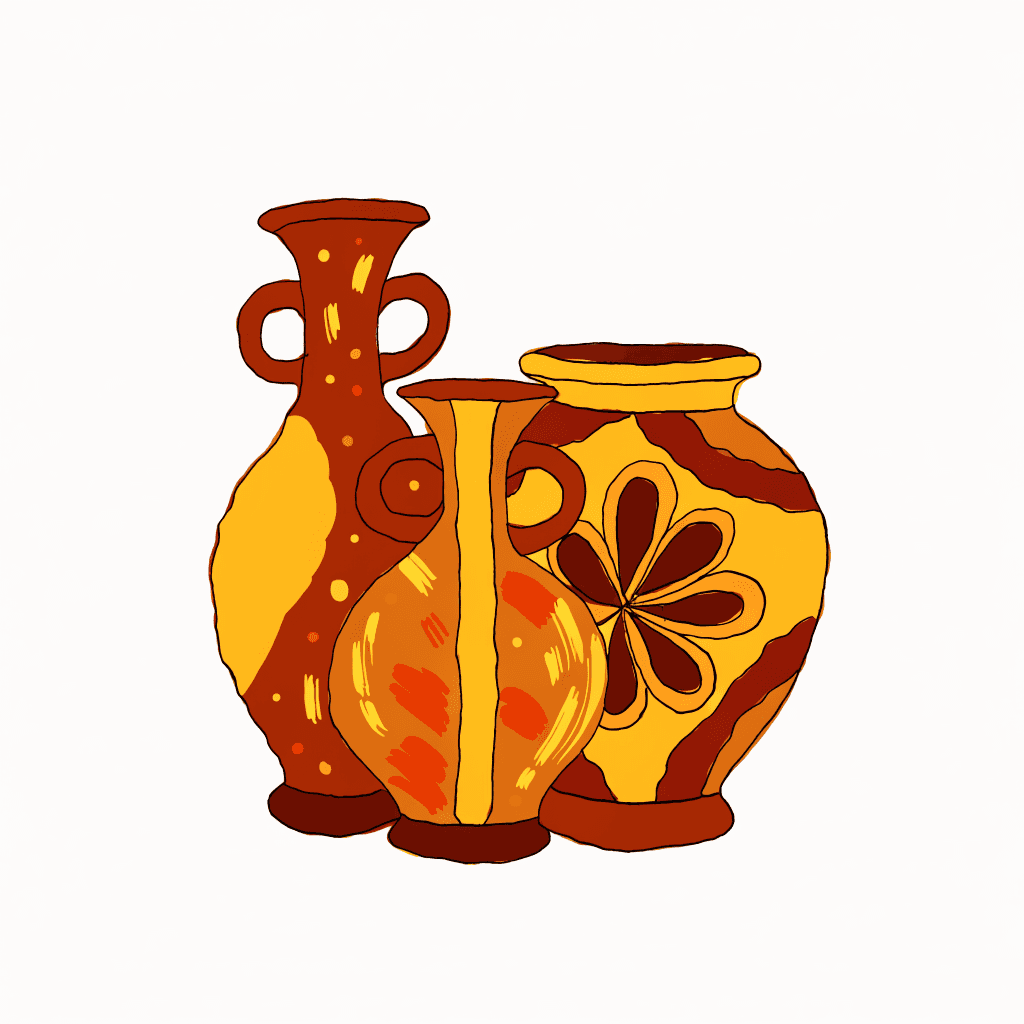
Khurja, a modest town in western Uttar Pradesh's Bulandshahr district, has one outsized identity: it is India's 'ceramics city'. Local tradition traces its potteries back centuries, to potter families said to have arrived from Central Asia — and whatever the precise beginnings, glazed pottery has been Khurja's trade for generations, long before industrial ceramics reached India. Its classic look is instantly familiar from Indian homes, hotels and roadside dhabas alike: sturdy cream-bodied ware hand-painted with floral sprays in cobalt blue, warm browns and leaf greens under a glossy glaze. Unlike courtly crafts that lived on royal patronage, Khurja's genius has always been the everyday — mugs, bowls, plates, jars and vases priced for ordinary tables and tough enough for daily service. Over the twentieth century the town grew into one of India's largest ceramic clusters, its kilns modernising while hand-painting survived at the heart of the decorative lines. That combination — industrial capability wrapped around a living hand-craft tradition — is Khurja's particular character, and its painted pottery now travels from Bulandshahr to kitchens across India and abroad.
How it is made
Khurja ware begins with prepared clay bodies, blended and wedged for consistency, then shaped by throwing, jiggering or slip-casting depending on the form. Pieces are biscuit-fired first, giving a hard, absorbent base for decoration. Painters — often from families generations-deep in the trade — brush floral motifs directly onto the biscuit in metal-oxide underglaze colours: cobalt for blues, iron and manganese tones for browns, copper-chrome greens. A transparent glaze is applied over the painting, and a second, hotter glost firing fuses body, colour and glaze into a durable, food-safe surface. The underglaze method is why Khurja's flowers never wash off or fade with use — the decoration is sealed inside the glass.
Buying guide
Khurja is refreshingly affordable: everyday painted pieces start near ₹300, with large vases and full tableware sets reaching ₹8,000. Look for hand-painted brushwork — slight stroke variation, visible brush starts and stops — rather than printed decals, and decoration sealed under the glaze so it cannot scratch off. Check bases for stamps naming Khurja workshops. A gentle knuckle-tap should give a clean ringing note; a dull thud can indicate hidden cracks.
Care
Properly glazed Khurja ware is made for daily use: it is food-safe and happy with hand washing in warm soapy water. Avoid thermal shock — do not move pieces from fridge to flame or pour boiling liquid into a cold vessel. Dishwashers are usually tolerated, but hand washing preserves the glaze's gloss longest. Chipped pieces should retire to decorative duty.
Good questions, honest answers
Is Khurja pottery microwave- and food-safe?
Glazed, high-fired Khurja tableware from reputable workshops is food-safe, and most pieces handle microwaves without trouble. The painted decoration sits sealed beneath the glaze, so colours do not leach into food. Two cautions: avoid sudden temperature swings, and use chipped or crazed pieces decoratively rather than for eating.
How is Khurja pottery different from Jaipur blue pottery?
They are near-opposites. Jaipur uses a no-clay quartz frit, fired once at low temperature — beautiful but delicate and mostly decorative. Khurja is true clay ceramic, twice-fired to a hard, glazed, food-safe finish built for daily use. The palettes differ too: Jaipur commits to cobalt and turquoise, while Khurja ranges across blues, browns and greens.
Why is Khurja called the ceramics city?
Because the town's economy has revolved around pottery for generations, growing into one of India's largest ceramic clusters — hundreds of workshops and factories producing everything from painted crockery to utilitarian ware. Within that scale, the hand-painted floral tradition endures, and that is what the GI tag and collectors most value.
Explore the living traditions
We are onboarding Khurja Pottery artisans. Meanwhile, explore every craft available on VedikCraft today.
Explore all crafts →
At a glance
- Region
- Khurja, Uttar Pradesh
- Community
- Khurja potters
- Materials
- clay, glaze
- Techniques
- glazed ceramic, hand-painting
- Typical price band
- ₹300 – ₹8,000