Cane, Bamboo & Basketry
Sitalpati: Cooch Behar's Cool-to-the-Touch Woven Mats
The story
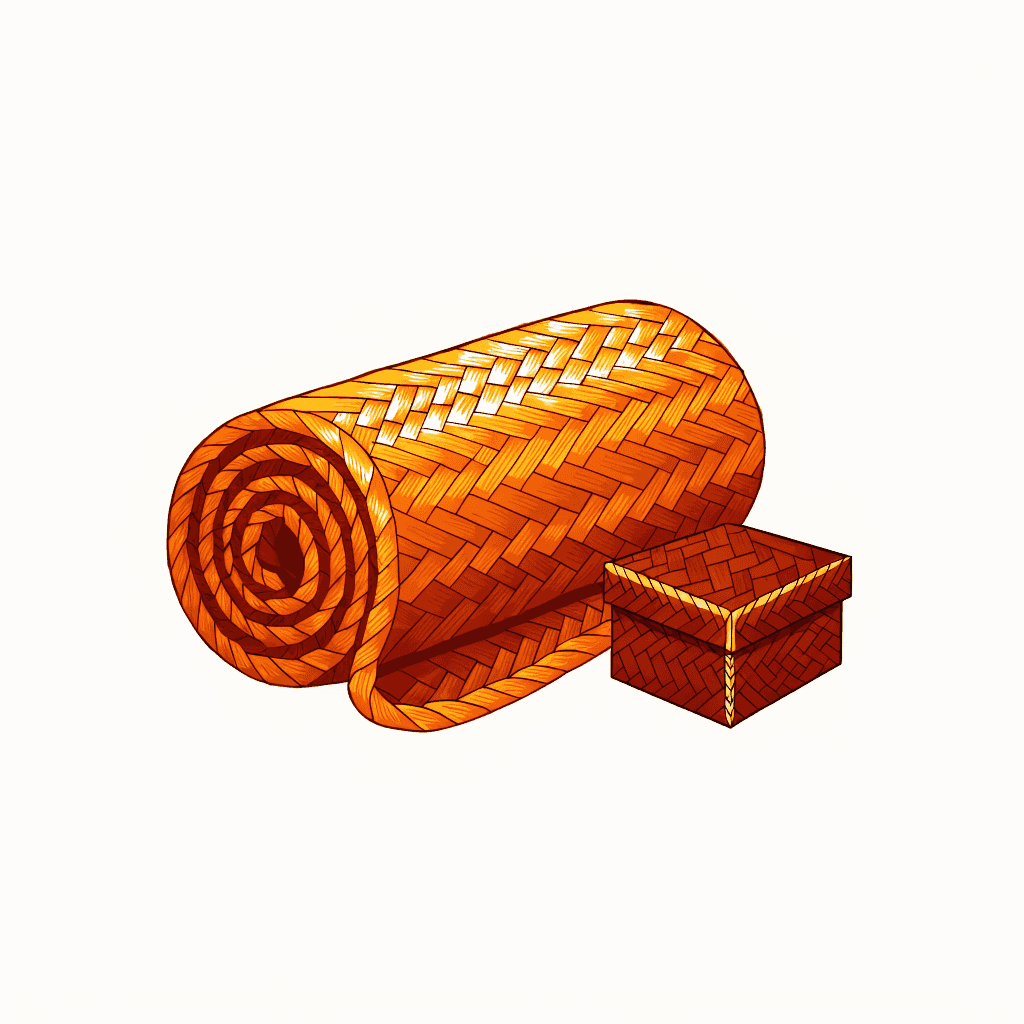
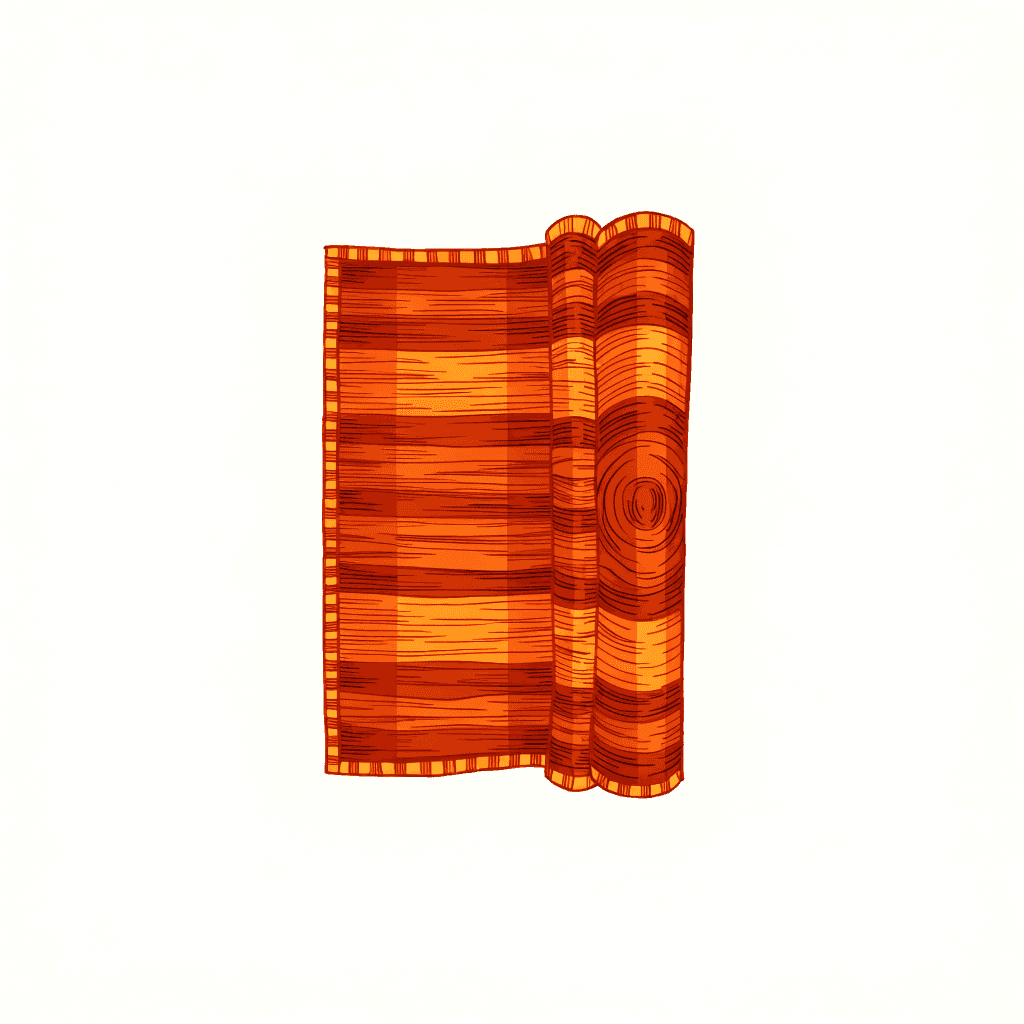
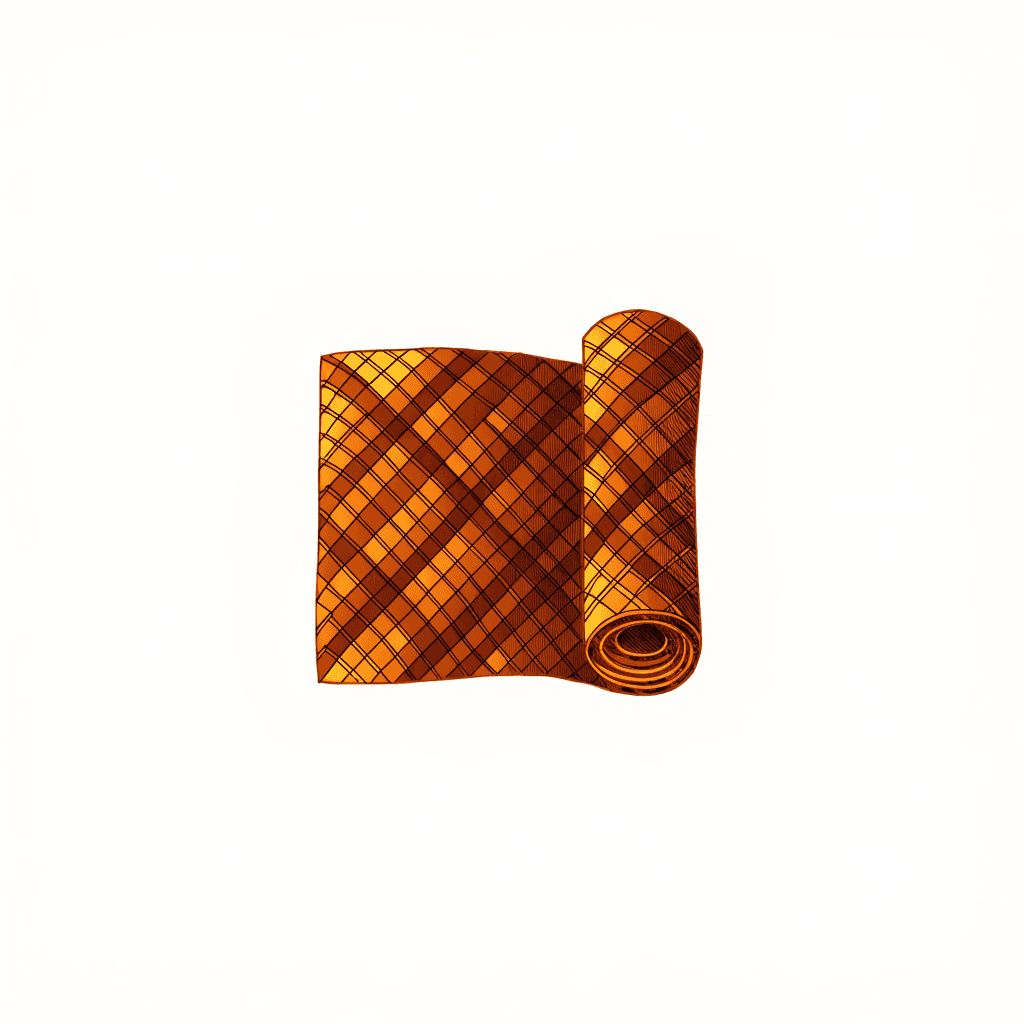
In the humid flatlands of northern Bengal, where summer heat settles thick over the rice fields, the Patni weavers of Cooch Behar have long produced an elegant answer: the sitalpati, literally the 'cool mat'. Woven from strips of the murta reed — a glossy swamp cane that thrives in the wet lowlands of Bengal, Assam and Tripura — a fine sitalpati feels chilled against the skin, its polished surface drawing heat away from the body. For generations it has been the sleeping mat of choice across the region, unrolled on beds and floors through the hottest months. The craft runs deepest in Cooch Behar district, where Patni families cultivate murta along pond edges and weave through the year. Sitalpati is woven into the region's social fabric too: fine mats are traditional wedding gifts, and the very best — pale, lustrous and so supple they fold like cloth — were once reserved for landlords and honoured guests. Related traditions continue in Tripura and Assam, but it is the Cooch Behar mat, with its silken finish and tight, even weave, that carries the craft's reputation, now formally protected by a Geographical Indication.
How it is made
Everything begins with the murta plant, a reed-like cane harvested from wet, marshy ground. Weavers slice each stem lengthwise and peel away the glossy green outer layer, which is then split into progressively finer strips — the narrower the strip, the finer and costlier the mat. The strips are soaked, often boiled, to soften and whiten them, then dried in shade to preserve their sheen. Weaving is done by hand on the floor, without a loom: strips are interlaced in a tight diagonal twill, worked from one corner outward, with patterns emerging from subtle shifts in the weave. A full-size fine mat can occupy a weaver for weeks. Finally the edges are folded and bound, and the surface is rubbed smooth until it gleams.
Buying guide
A good sitalpati announces itself by touch: the surface should feel smooth, cool and almost silken, with no ridges catching your palm. Look for narrow, even strips, a tight weave with no gaps, and a natural pale-green to ivory sheen — glossy plastic-like uniformity suggests a synthetic imitation. The finest mats flex and fold without cracking. Prices typically run from around ₹400 for simple mats to ₹12,000 for the finest, near-foldable weaves; strip fineness and evenness of weave drive the difference.
Care
Keep your sitalpati dry — dampness is its only real enemy. Wipe with a barely damp cloth and dry flat in shade; never soak it or leave it in direct sun for long, which can brittle the fibres. Store rolled rather than sharply folded, ideally wrapped in cotton cloth. Air it out occasionally during monsoon months to prevent mildew.
Good questions, honest answers
Why does a sitalpati feel cool?
The murta cane's outer layer has a dense, glossy, non-porous surface that conducts heat away from the skin rather than trapping it. Combined with the tight, smooth weave, this makes the mat feel noticeably cooler than cotton or synthetic sheets — which is exactly why it has been Bengal's traditional summer sleeping mat for generations.
How is a fine sitalpati different from an ordinary one?
Fineness comes from the width of the strips. Ordinary mats use broader slips of murta and feel slightly ribbed; the finest use strips split almost to threads, producing a surface smooth enough to pass a hand over without resistance. The very best fold like fabric — that suppleness, along with an even, gap-free weave, is what you pay for.
Can I use a sitalpati on a bed or only on the floor?
Both. Traditionally it is spread over a mattress or cot during summer, where its cooling surface does its best work, but it serves equally well as a floor mat, a yoga surface or wall decor. Just keep it away from persistent moisture and give it an occasional airing.
Explore the living traditions
We are onboarding Sitalpati artisans. Meanwhile, explore every craft available on VedikCraft today.
Explore all crafts →
At a glance
- Regions
- Cooch Behar, West Bengal · Tripura · Assam
- Community
- Patni weavers
- Materials
- mutha cane (murta/patidoi)
- Techniques
- fine splitting & smooth weaving
- Typical price band
- ₹400 – ₹12,000