Textiles & Handloom
Jamdani — Muslin Woven Like Air, Thread by Thread
Also known as Uppada Jamdani, Dhakai Jamdani
The story
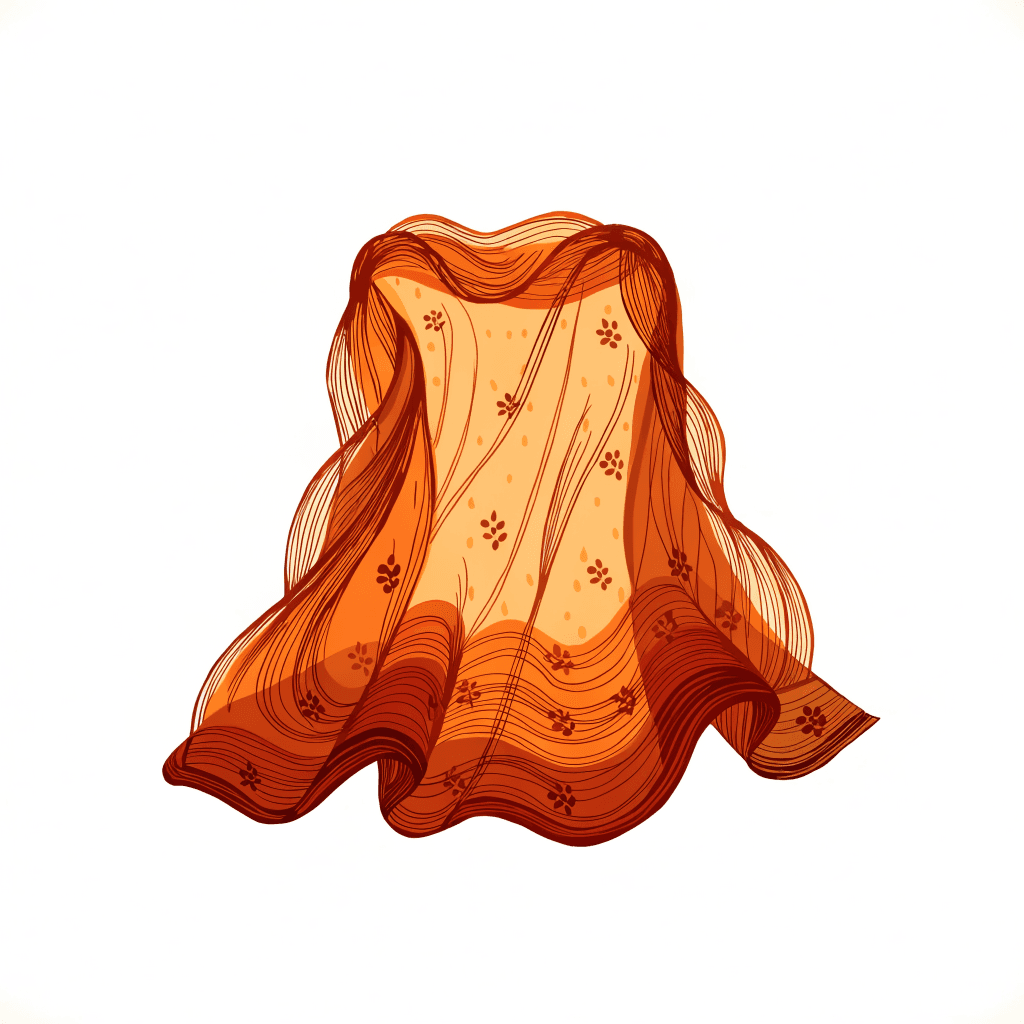
Jamdani is the direct descendant of Dhaka muslin, the near-transparent cotton that made Bengal's weavers famous across the early modern world. The name is usually traced to Persian — jam and dani, flower and vase — and the craft reached its height under Mughal patronage, when figured muslins were woven for imperial courts. What sets jamdani apart has never been the motif but the method: patterns are not embroidered or printed, they are built into the cloth itself as it is woven, thread by deliberate thread. Partition split the tradition's geography. Dhaka remained the historic heartland, while weavers who migrated into West Bengal seeded the craft in Phulia and the Nadia district, where it thrives today. Far to the south, Uppada in Andhra Pradesh developed its own celebrated jamdani, applying the inlay technique to fine cotton and silk with local flair. UNESCO has recognised traditional jamdani weaving as intangible cultural heritage, and both major Indian centres hold Geographical Indications. At its finest, jamdani earns its old poetic descriptions — 'woven air' — a muslin so light it barely registers on the skin, carrying flowers that seem to float inside the cloth.
How it is made
Jamdani is a discontinuous supplementary-weft technique. As the ground muslin grows on the loom, the weaver inlays each motif by hand, lifting warp threads with a fine bamboo needle and passing a separate patterning thread through — one motif at a time, one row at a time. There is no printed guide on the warp; traditional weavers work from memory and counted threads, which is why the craft is often described as weaving and drawing at once. The finer the base cotton, the harder every insertion becomes, and elaborate sarees can occupy two weavers at a single loom for months. Because the pattern thread is trimmed as work proceeds, a true jamdani looks nearly as clean on the back as the front.
Buying guide
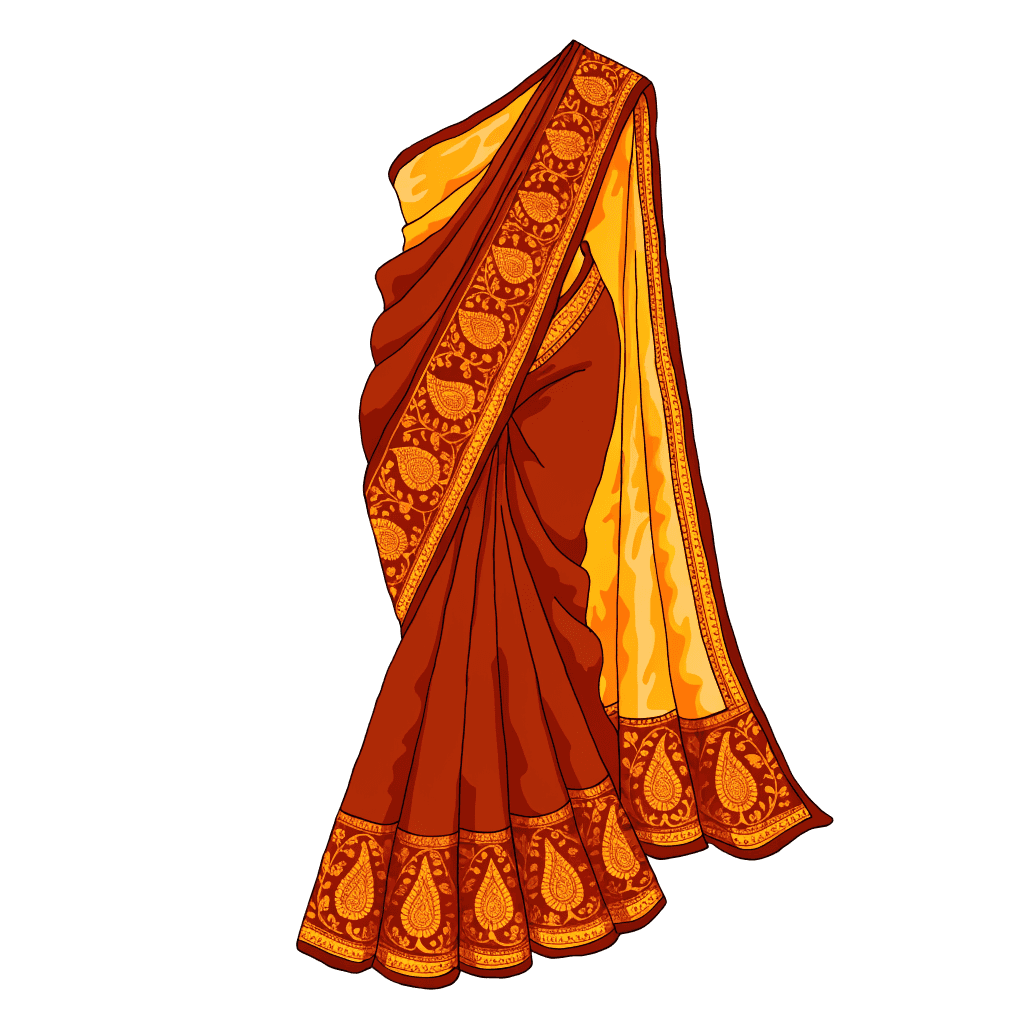
Turn the fabric over. In handwoven jamdani the patterning thread is trimmed motif by motif, so the reverse is tidy; machine imitations leave long floats running between motifs like loose stitching. Genuine pieces feel almost weightless, and motifs sit slightly raised in the sheer ground. Prices span an enormous range — roughly ₹3,000 for simple cotton sarees, ₹15,000–₹50,000 for fine work, and into the lakhs for masterpiece muslins that took months. Buy against the GI tags for Uppada or West Bengal Jamdani.
Care
Fine jamdani deserves gentle handling: dry-clean the best pieces, or hand-wash cottons in cold water without soaking or wringing. Never hang it wet — the sheer ground stretches. Dry flat in shade, iron slightly damp on low, and store folded in muslin, refolding periodically so creases don't set into the fine yarn.
Good questions, honest answers
Is jamdani the same as Dhakai?
'Dhakai jamdani' refers to the tradition's historic heartland, Dhaka in Bangladesh. Indian jamdani descends from the same lineage: weavers who settled in West Bengal built the Phulia–Nadia tradition, and Uppada in Andhra Pradesh adapted the technique to its own weaves. The method — hand-inlaid supplementary weft — is shared; the regional hands differ.
Why do jamdani sarees cost so much?
Every motif is inserted by hand, thread by thread, while the ground cloth is being woven — there's no shortcut, no printing, no embroidery frame. A richly patterned saree on fine muslin can keep two weavers busy for months. The price reflects time: you're buying hundreds of hours of skilled, unrepeatable handwork.
How do I spot a machine-made copy?
Check the reverse. Handwoven jamdani is trimmed as it's woven, so the back looks nearly as neat as the front. Powerloom copies run the pattern thread continuously, leaving long floats between motifs. Machine cloth also feels denser and suspiciously uniform — real jamdani has a featherweight, faintly irregular hand.
Explore the living traditions
We are onboarding Jamdani artisans. Meanwhile, explore every craft available on VedikCraft today.
Explore all crafts →
At a glance
- Regions
- Nadia / Phulia, West Bengal · Uppada, Andhra Pradesh
- Community
- Jamdani weavers
- Materials
- fine-cotton, silk
- Techniques
- supplementary-weft inlay (discontinuous)
- Typical price band
- ₹3,000 – ₹2,00,000