Textiles & Handloom
Lepcha Thara — Backstrap Weaving in Sikkim
Also known as Thara
The story
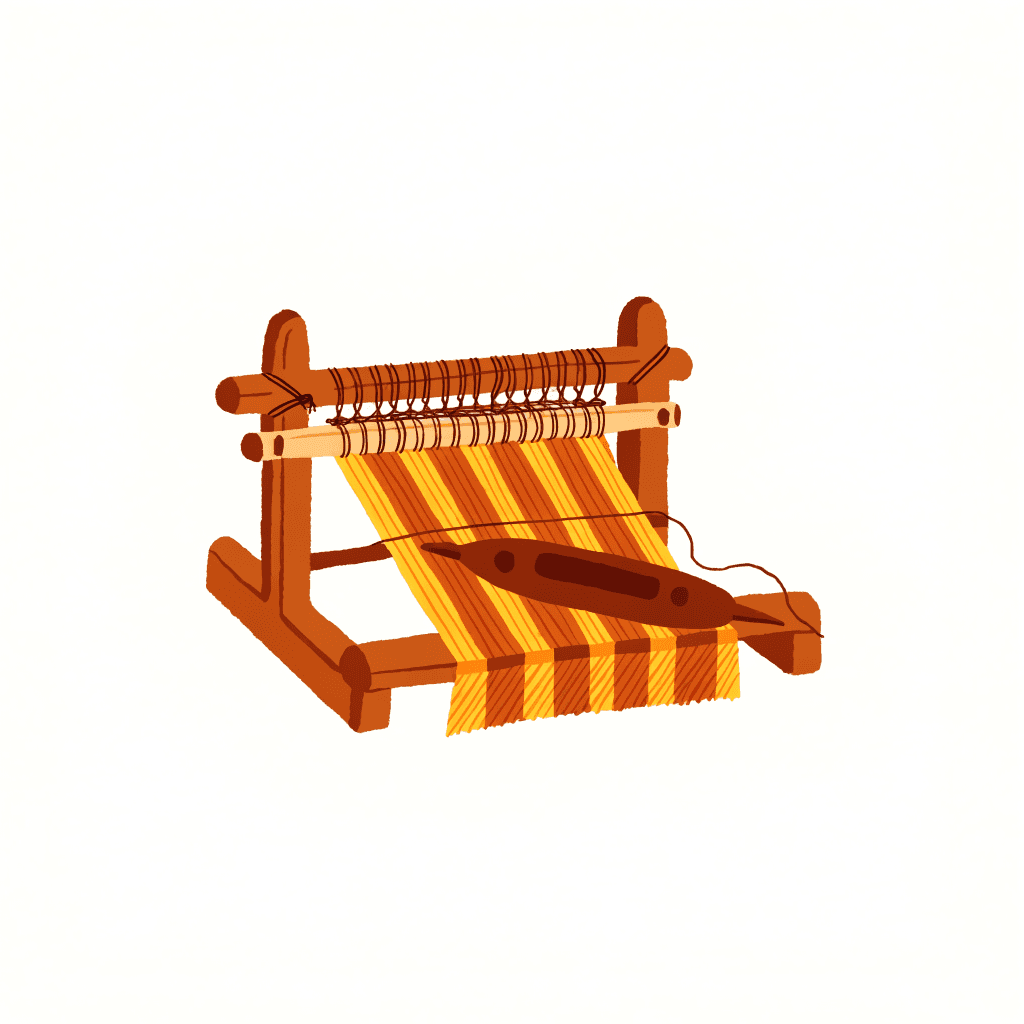
The Lepcha regard themselves as the original people of Sikkim, settled in these Himalayan valleys long before the Namgyal kingdom, the British or the modern state, with communities extending into the Kalimpong hills of neighbouring West Bengal. Their weaving tradition centres on the thara: a striped cloth woven on the backstrap loom, its fine multicoloured lines traditionally read as echoes of the forests, rivers and birdlife of the Lepcha homeland. The classic male garment, the dumpra, is a thara cloth pinned at one shoulder and belted; woven cloth accompanies the Lepcha at every rite of passage, from birth ceremonies to weddings. Materially, the tradition stands out for its fibres: alongside cotton, Lepcha weavers have long worked yarn from the Himalayan giant nettle, stripped from wild stalks and spun into one of the eastern Himalaya's oldest textile fibres. Weaving was taught at home, mother to daughter, on looms that could be rolled up and set aside between chores. Today handloom centres in Sikkim and Kalimpong keep the thara in production as wraps, bags and yardage, its clean stripes finding an easy second life in contemporary interiors.
How it is made
Thara cloth is woven warp-faced on the backstrap loom, so its stripes are set the day the loom is dressed: the weaver winds the warp colour by colour, and the sequence of fine lines she chooses then runs the entire length of the cloth. Strapped into the loom, she controls tension with her body, beating each pick down with a wooden sword. Cotton is the common yarn; nettle fibre demands more preparation — stalks are cut, retted and stripped, and the bast spun into a strong, slightly crisp yarn that softens with use. The loom's narrow web means larger pieces are assembled from strips, while bags and belts use the woven width as it comes.
Buying guide
Expect roughly ₹1,200 for small bags and simple wraps, rising to ₹14,000 for large, finely striped thara pieces or nettle-fibre work. Genuine thara is warp-faced and firm, with stripes that run unbroken down the cloth's length and narrow widths seamed by hand. Nettle-fibre pieces feel crisp, almost linen-like, and cost more for the labour in the yarn. Since Lepcha weaving carries no GI tag, buy from Sikkim or Kalimpong handloom centres and sellers who can trace the weaver.
Care
Hand wash in cold water with mild soap; both cotton and nettle fibre prefer a gentle squeeze to a wring. Dry in shade — mountain-dyed colours hold better away from direct sun. Nettle cloth softens beautifully with each wash. Iron on medium while slightly damp, and store folded in a dry place; the fibres are naturally durable.
Good questions, honest answers
What does 'thara' mean?
Thara is the Lepcha name for their characteristic striped handwoven cloth. Its fine multicoloured lines are woven warp-faced on a backstrap loom, and the cloth becomes garments like the men's dumpra, ceremonial wraps, and modern bags and yardage. The word covers the textile tradition rather than one single garment.
What is nettle fibre like to wear or use?
Himalayan giant nettle yields a strong bast fibre with a dry, crisp hand close to linen. It starts slightly stiff and softens progressively with washing and use, lasting for years — which is exactly why hill communities valued it before mill cotton arrived. It suits bags and structured wraps particularly well.
Is Lepcha weaving still practised?
Yes, though by fewer hands than before, which is part of its value. Handloom centres and self-help groups in Sikkim and the Kalimpong hills train younger weavers and supply markets, and buying a documented Lepcha piece directly supports that continuity. Machine-made 'Lepcha-style' stripes exist, so provenance matters.
Explore the living traditions
We are onboarding Lepcha Weaving artisans. Meanwhile, explore every craft available on VedikCraft today.
Explore all crafts →
At a glance
- Regions
- Sikkim · Kalimpong
- Community
- Lepcha community
- Materials
- cotton, nettle-fibre
- Techniques
- loin-loom striped weaving
- Typical price band
- ₹1,200 – ₹14,000