Paintings & Folk Art
Cheriyal Scroll Painting — Telangana's Painted Storyboards
The story
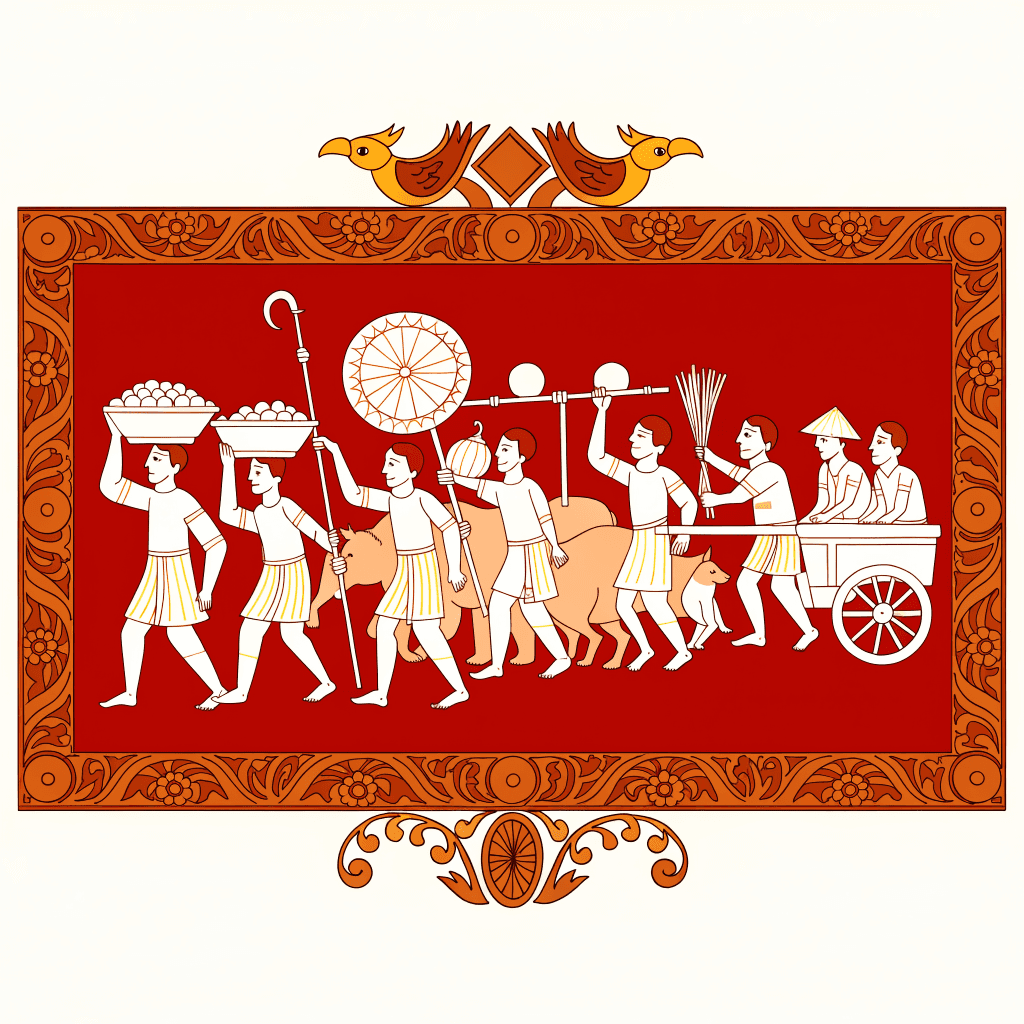
Cheriyal scroll painting comes from a single village — Cheriyal, in Telangana — and a single community of painters, the Nakashis. For centuries their scrolls powered a living storytelling economy: itinerant balladeer communities commissioned long vertical scrolls illustrating the caste puranas — origin epics of weavers, toddy-tappers, farmers and other communities — and carried them from village to village, unrolling one painted panel at a time as they sang. A full performance scroll could run to many metres and dozens of scenes, arranged top to bottom like a comic strip centuries before the comic strip. The style is instantly readable: a saturated red ground, bold black outlines, figures in profile with expressive gesture, and bands of floral ornament separating the episodes. As the wandering performances faded in the twentieth century, the Nakashi families adapted — the same hands now paint framed panels, single-episode wall art, and the beloved Cheriyal masks and dolls. The craft is protected by the 'Cheriyal Paintings' Geographical Indication and remains one of Telangana's proudest artistic exports, still made in the village that gave it its name.
How it is made
The canvas is khadi cotton, primed the traditional way: coats of rice starch, white clay, tamarind-seed paste and tree gum, applied and dried in turn until the cloth is smooth and stiff. The painter lays in the signature red ground first, then draws the figures and fills them with natural pigments — stone and earth colours, indigo, lamp black, shell white — bound in gum. Black outlining, done freehand, gives the scrolls their graphic punch. Cheriyal masks follow their own process: a half coconut shell or a wooden form is built up with tamarind paste and sawdust, dried, then painted in the same palette — warm skin tones, bold eyes, ornament picked out in yellow and white.
Buying guide
The red ground is the signature — deep, even and hand-laid, not printed flat. Look for freehand black outlines with natural variation, figures in profile, and the slightly stiff, primed feel of traditionally prepared khadi cloth. Masks should be tamarind-paste and sawdust work, light but solid, not moulded plastic. Panels typically start around ₹1,500, with large multi-panel scrolls and elaborate compositions reaching ₹90,000.
Care
Frame scroll panels behind glass and keep them off damp walls — the starch-and-clay priming absorbs moisture readily. Avoid direct sun, which flattens the reds first. Dust masks with a dry, soft brush and display them away from kitchens and humidity. Never wipe painted surfaces with a damp cloth.
Good questions, honest answers
How were Cheriyal scrolls originally used?
As illustrated scripture for travelling performance. Storytelling communities commissioned scrolls of their own caste's origin epic and toured villages, unrolling the cloth panel by panel as they sang and narrated over several nights. The scroll was the cinema screen of its day — sacred, portable and owned by the storyteller.
Why do Cheriyal paintings have a red background?
The saturated red ground is the tradition's oldest visual signature. Practically, it makes the yellow, white and green figures leap forward and keeps a long scroll coherent, panel after panel, when viewed by lamplight at a night performance. A ground that is not hand-laid red deserves a closer look before you buy.
What are Cheriyal masks?
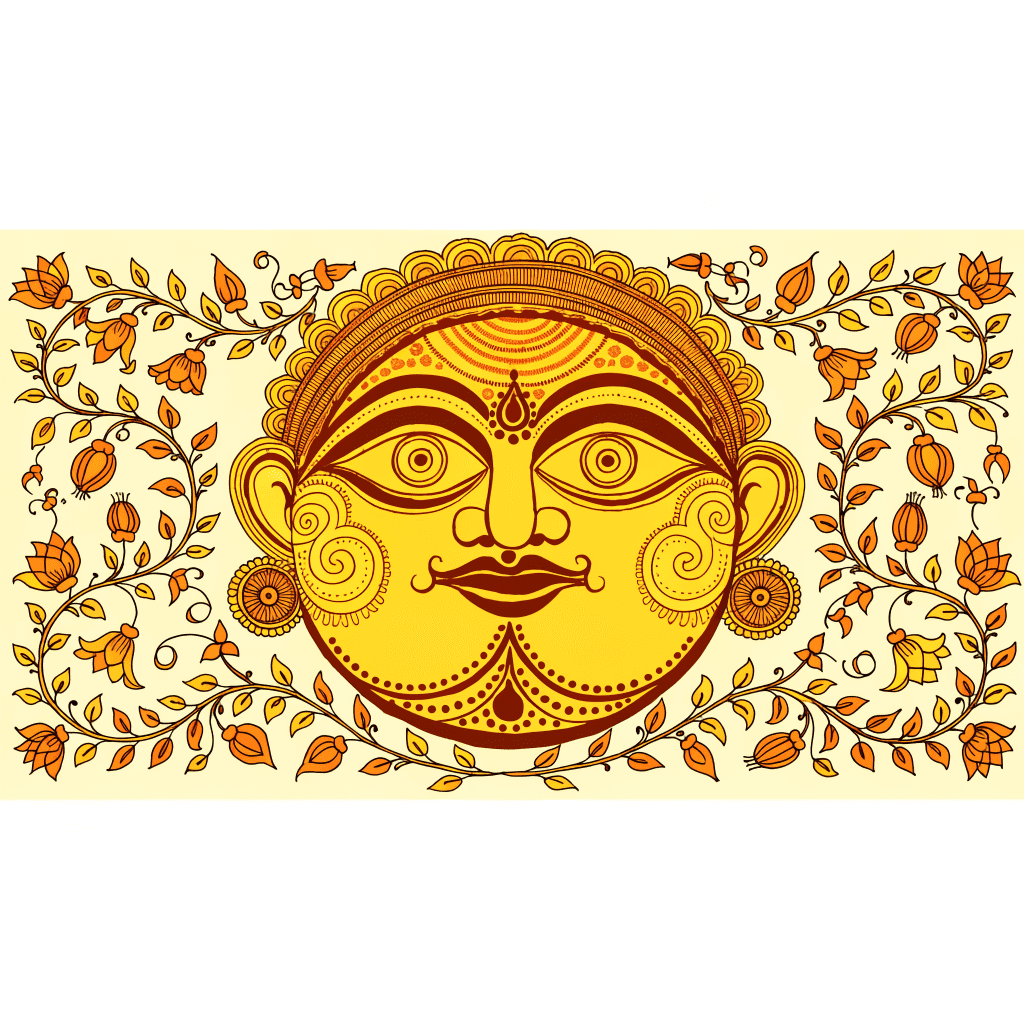
Sculptural cousins of the scrolls: faces of gods, heroes and village characters built from tamarind paste and sawdust over coconut shell or wood, then painted in the same red-dominant palette. Performers once displayed them during ballad recitals; today they are collected as bold, characterful wall pieces.
Explore the living traditions
We are onboarding Cheriyal Scroll Painting artisans. Meanwhile, explore every craft available on VedikCraft today.
Explore all crafts →
At a glance
- Region
- Cheriyal, Telangana
- Community
- Nakashi artists
- Materials
- khadi-cloth, natural-pigment
- Techniques
- narrative scroll, vivid red ground
- Typical price band
- ₹1,500 – ₹90,000