Paintings & Folk Art
Kalamkari — Hand-Drawn Stories in Natural Dye
Also known as Srikalahasti Kalamkari, Machilipatnam Kalamkari
The story
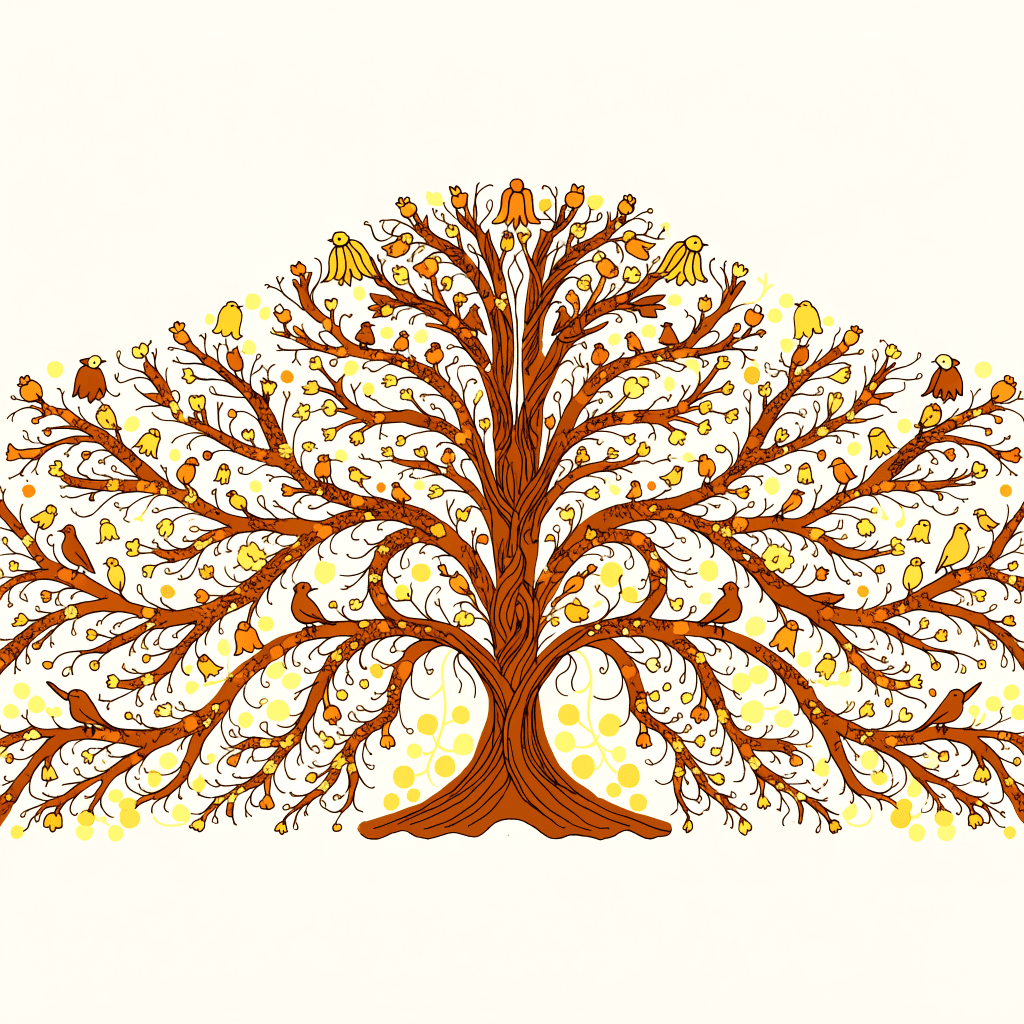
Kalamkari means pen-work — kalam from the Persian qalam, a pen — and the name points to what makes this textile art singular: entire epics drawn and dyed by hand onto cotton. Andhra Pradesh holds both of its great schools. In the temple town of Srikalahasti, artists draw freehand with a bamboo kalam, filling cloth with scenes from the Ramayana and Mahabharata; the style grew around temple needs — narrative hangings, canopies and chariot cloths — and keeps a storyteller's density of figure and script. In the old port of Machilipatnam, the same natural-dye chemistry meets carved wooden blocks, and the motifs lean Persianate — vines, trellises, florals — a legacy of Golconda-era workshops and an export trade that once sent Coromandel painted cottons to Persia and Europe. What unites the two is the discipline of natural dye: myrobalan baths, iron-black kasimi, alum mordants and madder reds, fixed by repeated washing in flowing river water. The craft faded under industrial printing and was revived in the mid-twentieth century through dedicated training workshops in Srikalahasti. Today both styles are protected Geographical Indications, and good kalamkari remains one of India's most literate textile arts.
How it is made
Cotton is first steeped in a solution of myrobalan fruit and buffalo milk — the tannins and fat prepare the fibre and keep dyes from bleeding. Outlines go on in kasimi, a black ink fermented from iron scrap and jaggery, drawn in Srikalahasti with a kalam: a bamboo or date-palm sliver wrapped with a wool bundle that feeds ink to the tip. In Machilipatnam, the same outlines and fills come from hand-carved wooden blocks. Areas meant to be red are painted with alum mordant, then the cloth is boiled in a madder-root dye bath; only the mordanted zones take colour. Blues come from indigo, yellows from myrobalan and pomegranate rind. Between every stage the cloth is washed in flowing water and sun-dried — a slow rhythm that gives kalamkari its soft, earthy depth.
Buying guide
Decide first which style you want: freehand Srikalahasti pen-work for narrative wall pieces, block-printed Machilipatnam for yardage and sarees. Authentic natural-dye kalamkari has a muted, earthy palette — madder red, iron black, indigo — and the colour penetrates the cloth, visible on the reverse. Screen prints look brighter and sit on the surface. Expect small fabric pieces from around ₹1,200, with large hand-drawn wall hangings and fine sarees reaching ₹70,000.
Care
Wash fabrics gently in cold water with a mild, bleach-free soap, separately for the first few washes — natural dyes may release a little colour at first. Dry in shade, never harsh sun, and iron on the reverse. For wall pieces, frame away from direct sunlight and damp. The dyes mellow beautifully with age when treated kindly.
Good questions, honest answers
What is the difference between Srikalahasti and Machilipatnam kalamkari?
Srikalahasti work is drawn entirely freehand with the kalam pen — flowing, narrative, often depicting epics — while Machilipatnam work is printed with carved wooden blocks, giving repeating Persianate florals and trellises. Both use the same natural-dye chemistry and both are GI-protected. Hand-drawn pieces are slower to make and usually cost more.
Do natural dyes fade or bleed?
Properly made kalamkari is remarkably dye-fast — the myrobalan and mordant process bonds colour to fibre, which is why antique Coromandel cottons survive. Expect slight colour release in the first cold washes and a gradual, pleasant mellowing over years. Harsh detergents, bleach and prolonged direct sun are the real enemies.
Why does authentic kalamkari look muted compared to prints?
Because the palette is grown, not synthesised. Madder roots, indigo, myrobalan and iron-jaggery black produce deep, earthy tones rather than neon brights. That restraint is the authenticity marker: if a 'kalamkari' fabric glows in saturated pinks and oranges, it is almost certainly screen-printed with chemical dyes.
Explore the living traditions
We are onboarding Kalamkari artisans. Meanwhile, explore every craft available on VedikCraft today.
Explore all crafts →
At a glance
- Regions
- Srikalahasti, Andhra Pradesh · Machilipatnam, Andhra Pradesh
- Community
- Kalamkari artisans
- Materials
- cotton, natural-dye
- Techniques
- pen-work (kalam), block-printing, mordant-dyeing
- Typical price band
- ₹1,200 – ₹70,000