Jewellery & Adornment
Lac Bangles & Lakh Jewellery of Jaipur and Hyderabad
The story
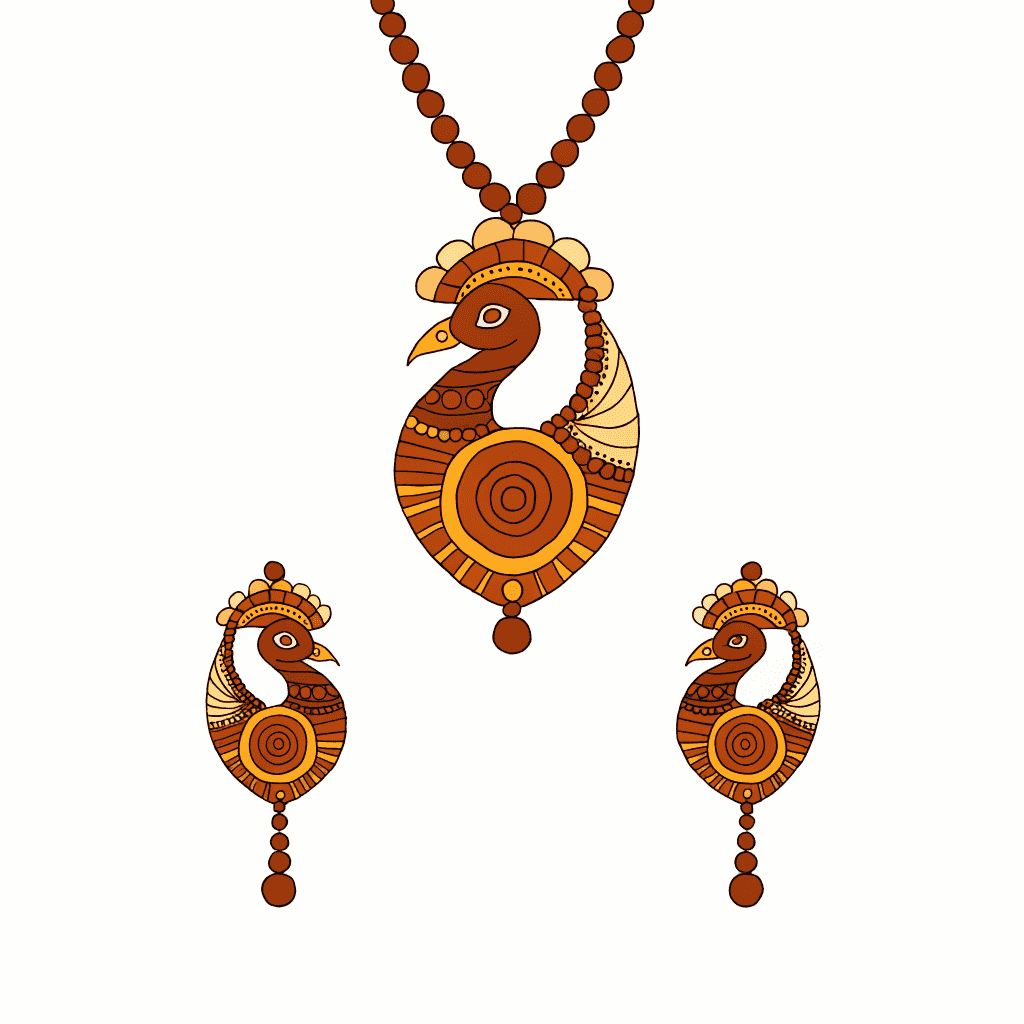
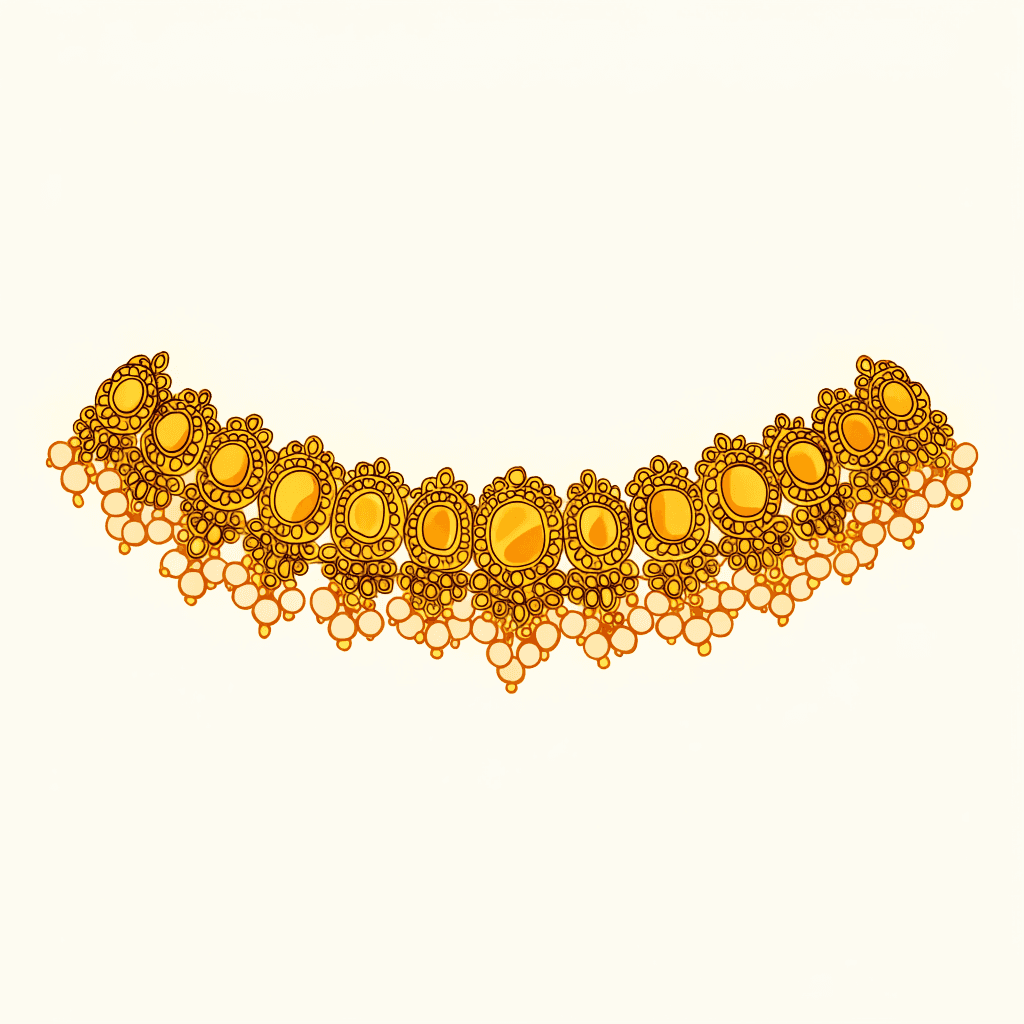
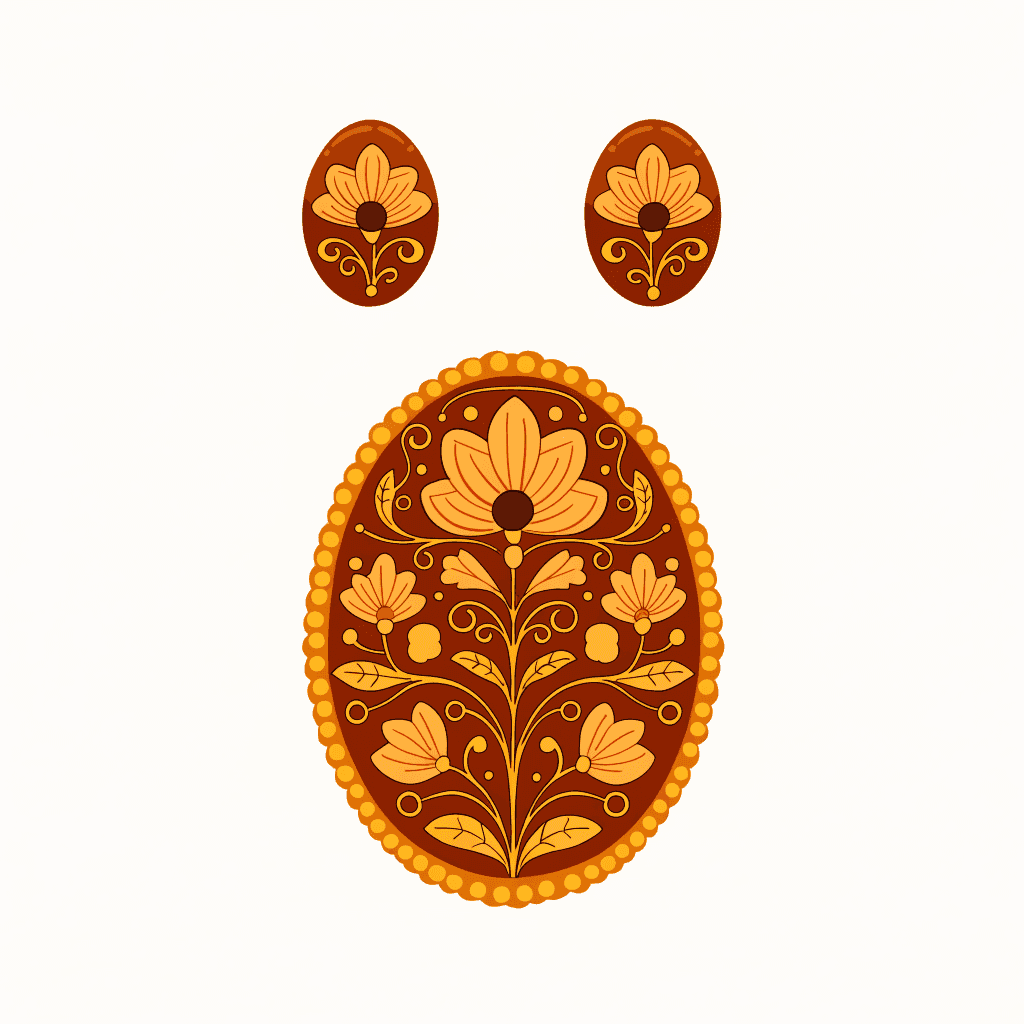
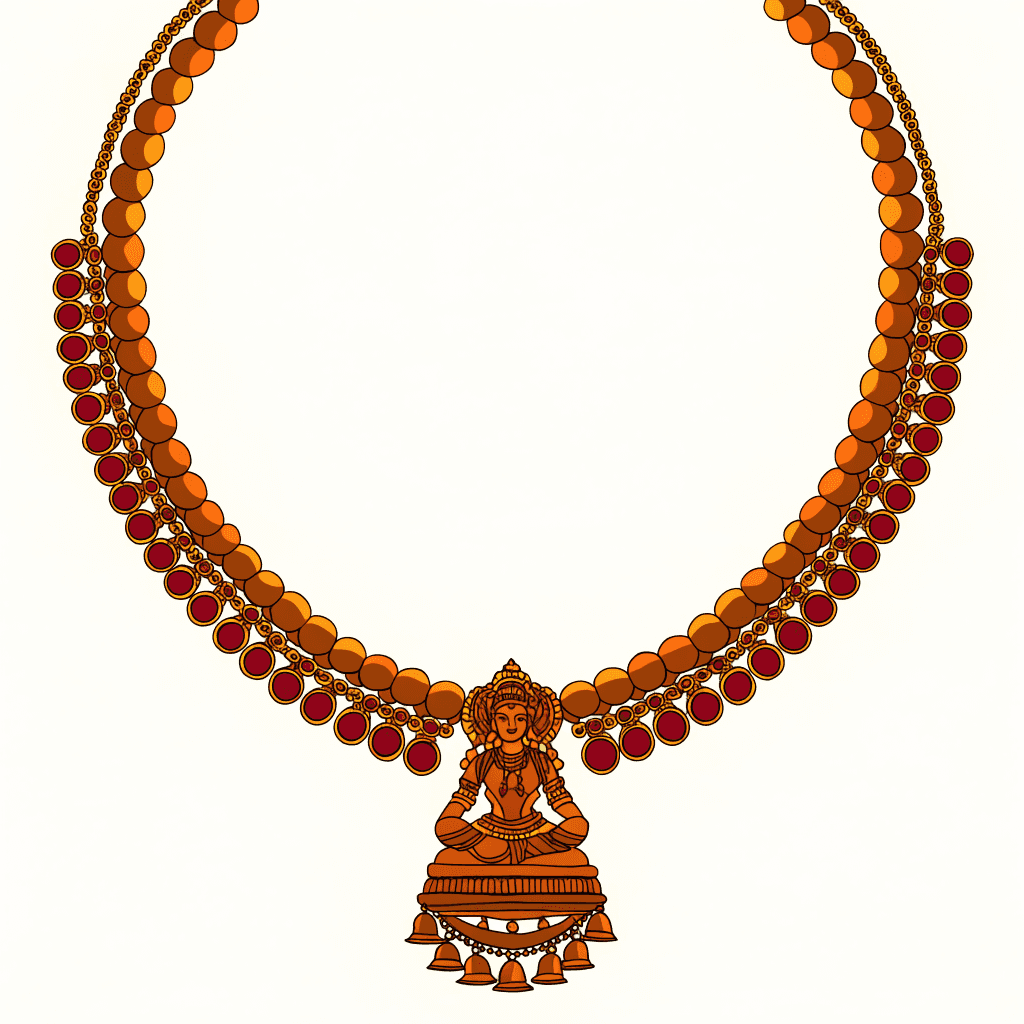
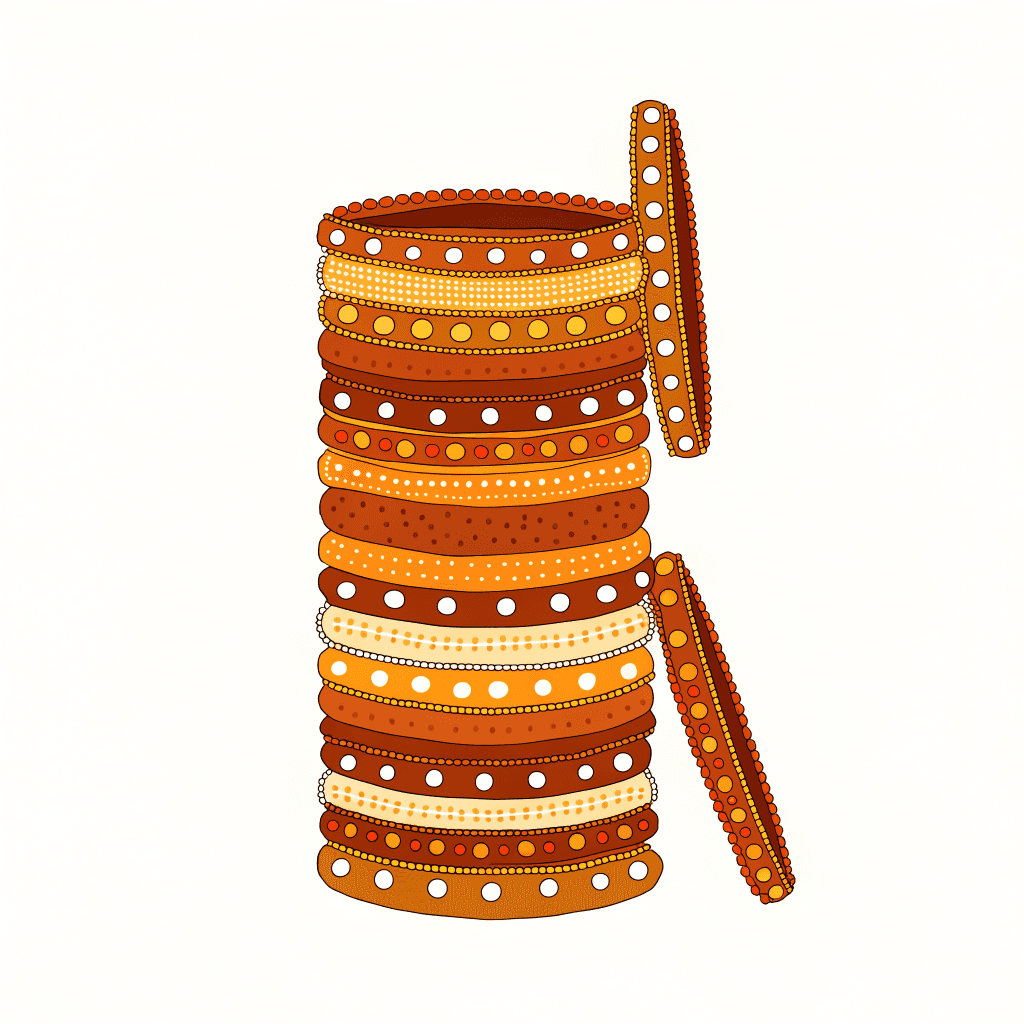
Lac is one of India's oldest ornament materials — a natural resin secreted by the tiny lac insect on host trees such as palash, ber and kusum, harvested and refined into a warm, mouldable material. Ancient texts knew it well; the Mahabharata's infamous 'house of lac' testifies to how long the substance has been part of the Indian imagination. As jewellery, lac reached its fullest expression in Rajasthan and the Deccan. In Jaipur's walled city, the Lakhera and Manihar communities have shaped and sold lac bangles for generations — an entire lane, Maniharon ka Rasta, is named for them. A parallel tradition thrives in Hyderabad's Laad Bazaar, the bangle street beside the Charminar, where lac kadas glitter with embedded stones. More than decoration, lac bangles are auspicious: they mark weddings and are worn for Teej, Karva Chauth and other festivals, gifted to brides as symbols of good fortune. Because each piece is warmed, rolled and studded by hand, no two bangles are identical — the slight softness of the resin holds every glass stone in a bed shaped exactly to it, a warmth no moulded plastic can imitate.
How it is made
Everything begins at the angithi, a small coal brazier. The artisan warms a lump of refined lac until it softens, kneads it with a filler for body, and presses it around the tip of a wooden rod. Rolled back and forth against a flat stone or plank, the resin stretches into an even coil. A thin layer of coloured lac — tinted with pigments — is fused over the base so the colour runs deep rather than sitting as paint. The coil is bent into a hoop, its ends joined seamlessly with a touch of heat. While the surface is still warm and tacky, glass stones, mirrors and beads are pressed in one by one; the resin grips them as it cools, no adhesive needed. Jhumkas and kadas follow the same logic in sculpted forms.
Buying guide
Real lac has a faint waxy warmth to the touch and slight hand-made irregularities — perfectly uniform, glassy bangles are usually plastic or resin casts. Check that stones sit sunk into the surface, gripped by the lac itself, not glued flat on top with visible adhesive. Simple single-colour bangles typically start around ₹150–₹300; stone-studded pairs run into the mid-hundreds; elaborate bridal kadas and jhumka sets can reach ₹3,000–₹4,000. Buy sets sized to your hand — lac does not flex the way metal does.
Care
Lac is a thermoplastic resin: keep it away from direct sunlight, hot dashboards and radiators, which can soften and deform it. Avoid contact with perfume, hairspray and alcohol-based sanitisers, which dull the surface. Slip bangles on gently rather than forcing them — lac cracks before it bends. After wearing, wipe with a soft dry cloth and store each piece wrapped in tissue or muslin, in a cool drawer.
Good questions, honest answers
Is lac jewellery made from natural materials?
Yes. The base is lac, a resin secreted by the lac insect on host trees such as palash, ber and kusum, then cleaned and refined. Artisans knead it with mineral fillers for body and colour it with pigments; the decoration is glass, mirror and beads pressed into the warm surface. Unlike acrylic bangles, the core material is natural and has been used in India for millennia.
Will lac bangles soften or lose shape in the heat?
Normal wear is fine, including hot Indian summers on the wrist. Trouble comes from concentrated heat: a car dashboard in the sun, a radiator shelf or direct flame can soften and deform the resin. Store your bangles in a cool drawer, away from sunlight, and they will hold their shape and their stones for years.
How do Jaipur and Hyderabad lac styles differ?
Both share the same warmed-resin technique. Jaipur's Lakhera and Manihar makers are known for layered colour work and festive sets tied to Teej and wedding rituals, while Hyderabad's Laad Bazaar tradition leans into densely stone-studded bridal kadas, mirror and glass glinting across the surface. Collectors happily wear both — the differences are of ornament and occasion, not quality.
Explore the living traditions
We are onboarding Lac / Lakh Jewellery artisans. Meanwhile, explore every craft available on VedikCraft today.
Explore all crafts →
At a glance
- Regions
- Jaipur / Hyderabad · Rajasthan · Telangana
- Community
- Manihar / Lakhera
- Materials
- lac (resin), glass, mirror
- Techniques
- lac shaping, stone embedding
- Typical price band
- ₹150 – ₹4,000