Textiles & Handloom
Sambalpuri Bandha, the Ikat That Reads on Both Sides
Also known as Bandha
The story
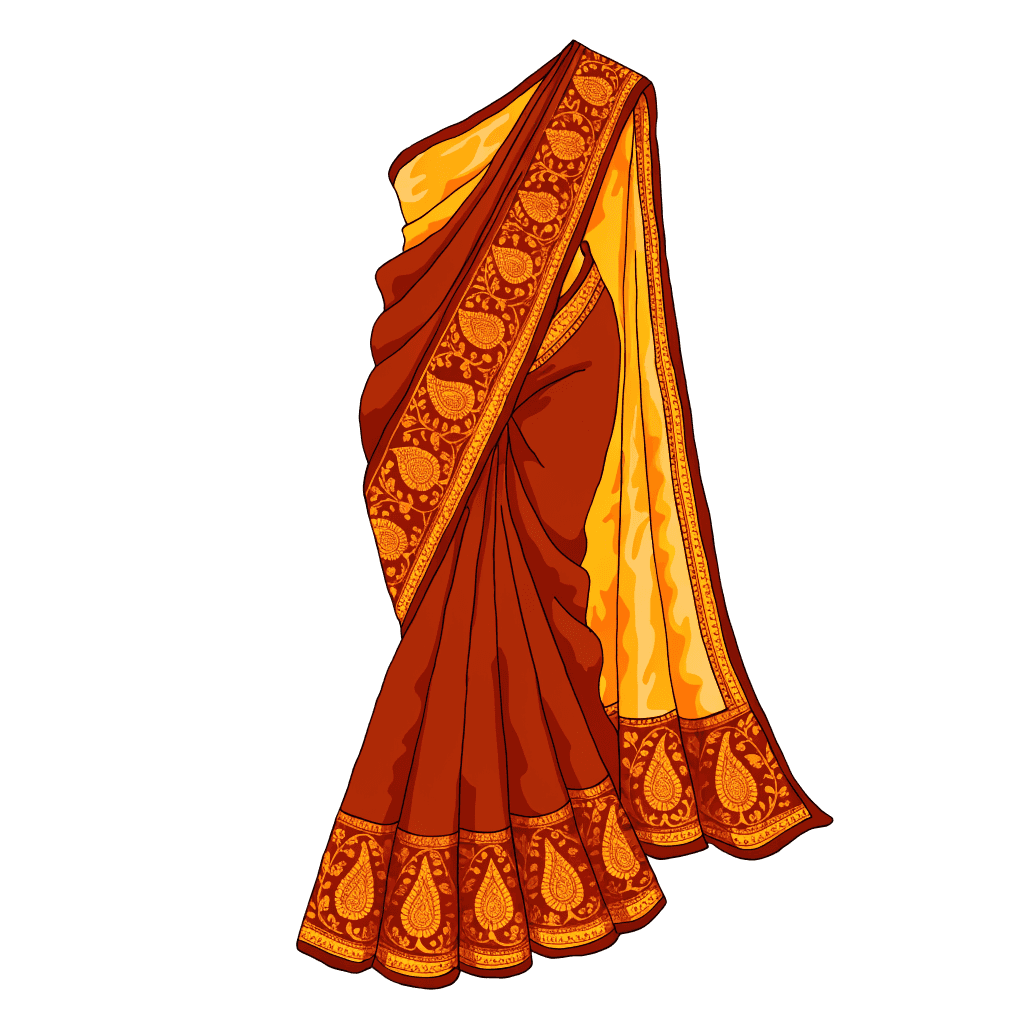
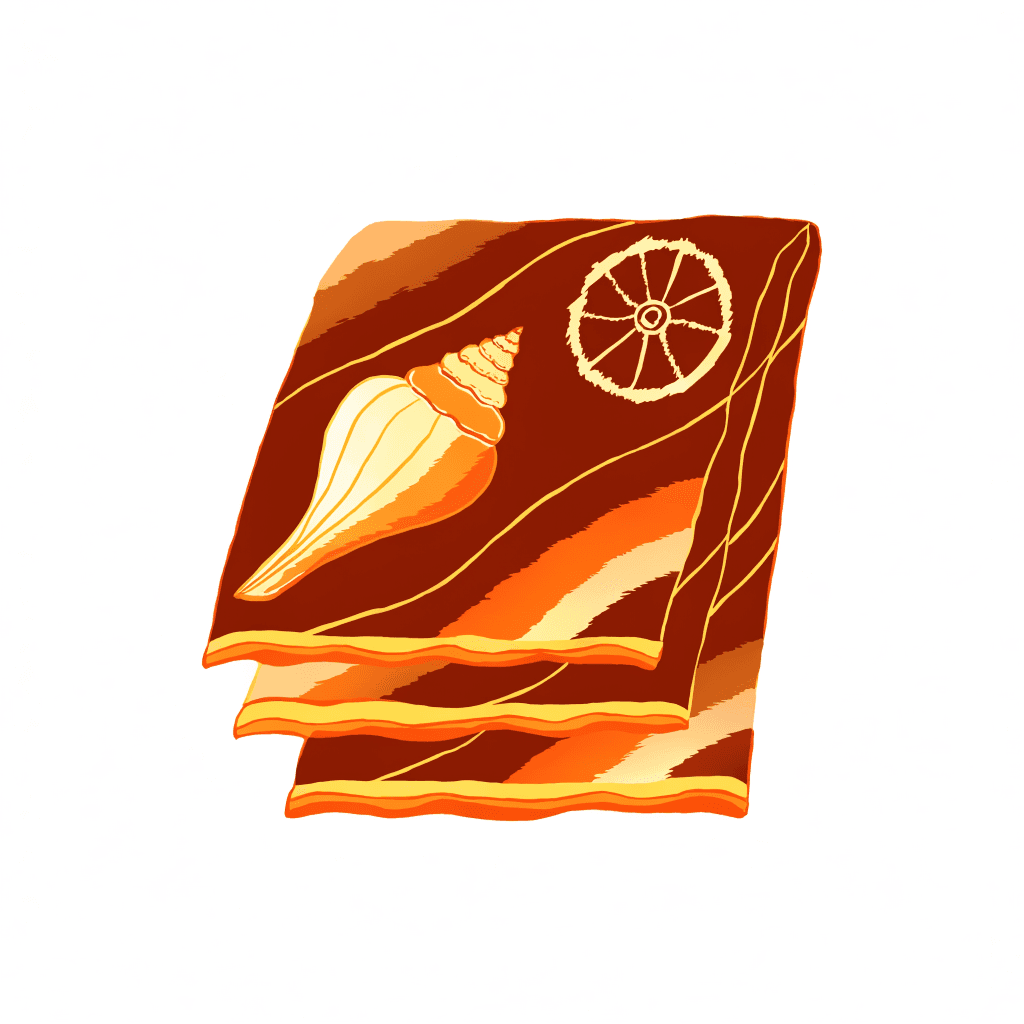
In western Odisha, ikat is called bandha — 'to tie' — and it is the hereditary craft of the Bhulia and Meher weaving communities of the Sambalpur–Bargarh belt. Their tradition reaches back centuries, carried through generations of families for whom tying, dyeing and weaving are a single continuous art. What distinguishes Sambalpuri bandha within the wider ikat world is its line: where the ikats of southern India tend toward bold, angular geometry, Odisha's weavers achieve soft, curvilinear forms — conch shells (shankha), wheels (chakra), flowers (phula), fish and temple spires — with edges that feather gently where the dye meets the resist. Because the pattern is dyed into the yarn before weaving, it appears identically on both faces of the cloth — a defining trait of the craft and the quickest way to know you are holding the real thing. Sambalpuri sarees moved from regional dress to national wardrobe in the 1980s, when Prime Minister Indira Gandhi's fondness for them put the weave on the front page, and demand from the region's looms has never really receded. Today the craft spans everyday cottons to ceremonial silks, all built on the same patient arithmetic of tied yarn.
How it is made
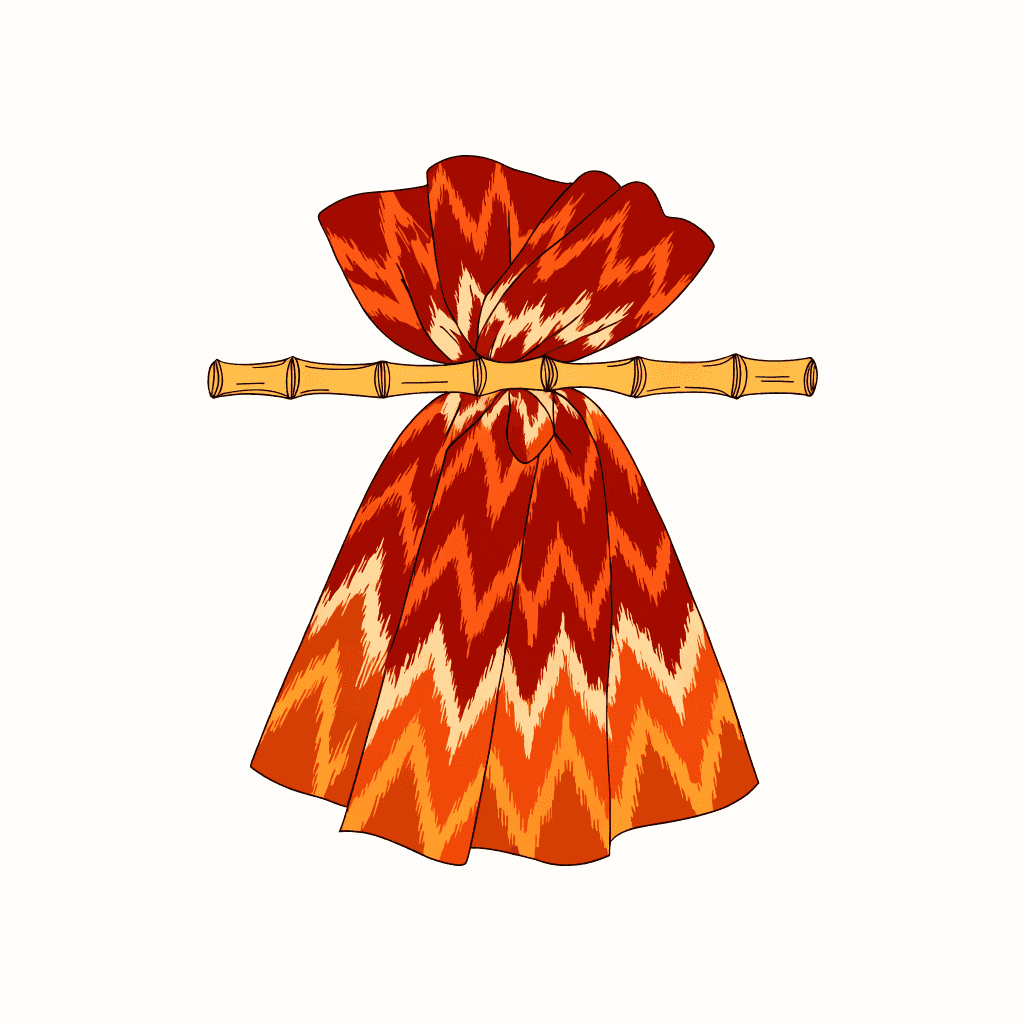
Bandha begins long before the loom. The weaver stretches yarn on a frame and ties sections tightly with resist material according to the planned design, then dyes the hanks; tied areas refuse the colour. For multicoloured patterns the tying and dyeing repeat — each round adding a hue — until the yarn itself carries the full design in code. Only then is it woven, warp and weft aligned with obsessive care so the motifs assemble true on the cloth. The mathematics is unforgiving: a misjudged tie shows as a broken conch or a smeared wheel. Preparing yarn for a complex saree can take weeks, longer than the weaving itself, and the reward is the craft's signature — soft-edged motifs, identical on both faces.
Buying guide
The two-faces test is decisive: genuine bandha shows the same motif, equally sharp, on both sides of the cloth, because the pattern lives in the yarn. Printed imitations look pale or blank on the reverse. Look too for the craft's gently feathered motif edges — hard, crisp outlines suggest printing. Cotton sarees typically run ₹1,800–₹8,000; fine silks with elaborate bandha reach ₹40,000–₹70,000. Weaver-cooperative outlets in Odisha and GI-tagged sellers are the safest sources.
Care
Wash cottons separately in cold water for the first few washes, as deep-dyed yarn can release colour; use mild detergent and skip soaking. Dry-clean silk pieces. Dry in shade to protect the dyes, iron on medium — reverse side for silks — and store in breathable cloth away from sunlight.
Good questions, honest answers
How is ikat different from printed fabric?
In ikat, the yarn is tie-dyed with the pattern before weaving, so the design is structural — visible identically on both faces, with softly feathered edges. Printing applies the design to finished cloth: the reverse looks faded or blank and outlines are hard. Flip the fabric and the difference is immediate.
What does 'bandha' mean?
Bandha is the Odia word for tying — the heart of the technique. Weavers bind sections of yarn with resist ties before dyeing, repeating the cycle for every colour, so the finished yarn carries the entire design encoded along its length before a single thread is woven.
Which motifs are typical of Sambalpuri weaves?
The classic vocabulary draws on Odia devotional and natural imagery: shankha (conch), chakra (wheel) and phula (flower) are the signature trio, joined by fish, creepers and temple-spire borders. Rendered in bandha's soft curves, they distinguish Odisha's ikat from the sharper geometry of southern traditions.
Explore the living traditions
We are onboarding Sambalpuri Ikat artisans. Meanwhile, explore every craft available on VedikCraft today.
Explore all crafts →
At a glance
- Region
- Sambalpur / Bargarh, Odisha
- Community
- Bhulia/Meher weavers
- Materials
- cotton, silk
- Techniques
- tie-dye yarn (bandha) ikat
- Typical price band
- ₹1,800 – ₹70,000