Textiles & Handloom
Nambu, the Handspun Wool Cloth of Ladakh
The story
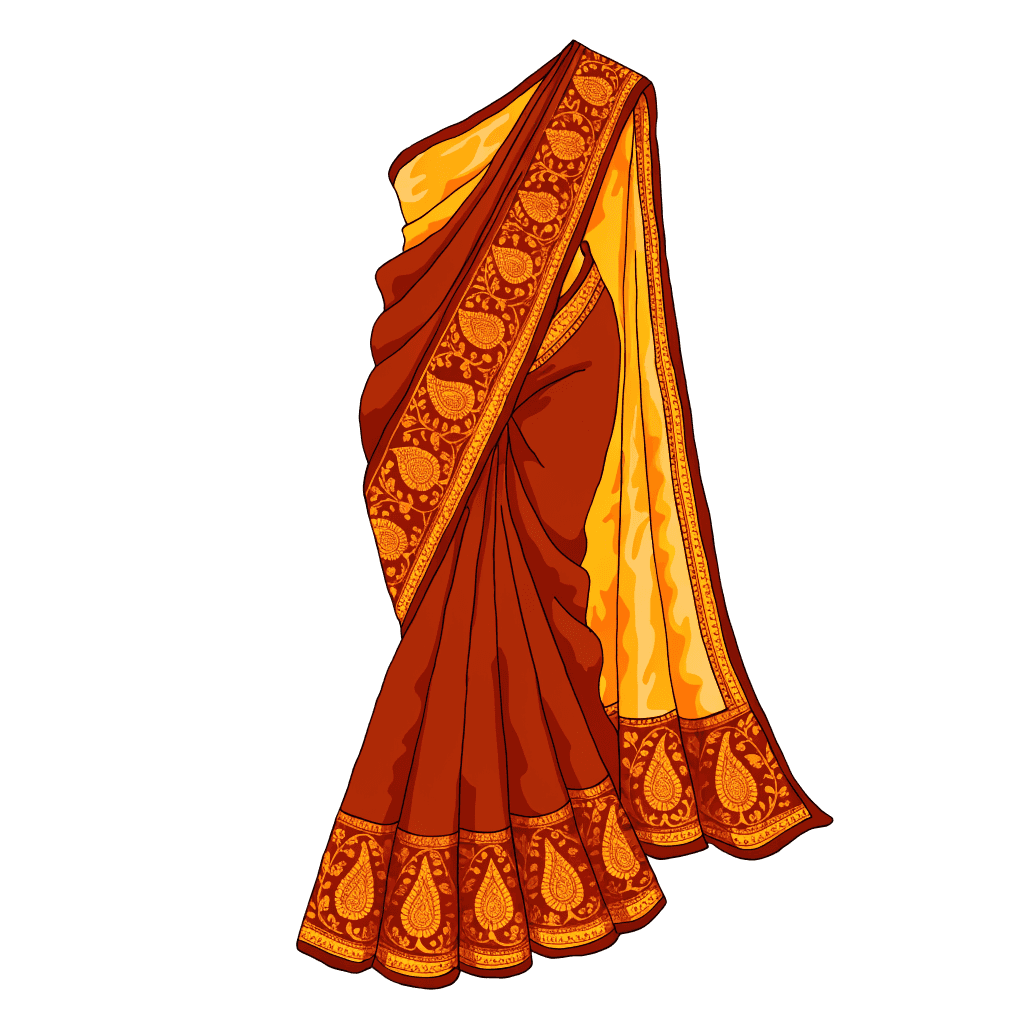
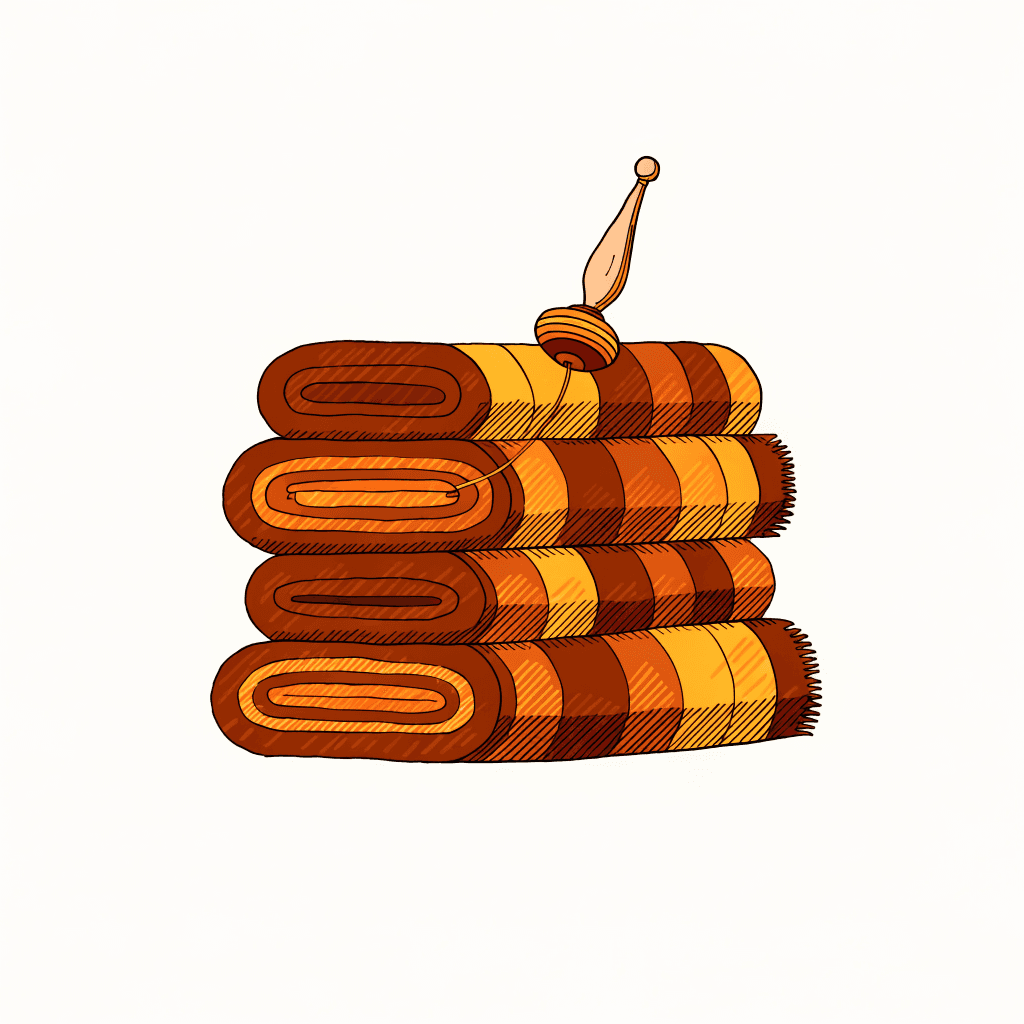
At three and a half thousand metres, cloth is survival, and Ladakh's answer is nambu: a dense, hand-spun woollen fabric woven in narrow strips and stitched into the goncha, the ankle-length robe that Ladakhis have worn against the cold desert winds for centuries. Wool is the region's true wealth. The high pastures of Changthang graze sheep, yaks and the famous Changra goats whose downy undercoat becomes pashmina — the same fibre economy that made Ladakh a hinge of the old wool trade routes between Tibet, Kashmir and the plains. Spinning is woven into daily life: the drop spindle travels in a pocket and turns idle minutes into yarn, and it is common to see wool being spun while walking or talking. Weaving happens on narrow portable looms, producing strips of cloth that are cut and seamed side by side into robes, blankets and shawls — a construction perfectly suited to a mobile, pastoral world. Undyed naturals dominate — creams, greys, browns — with madder red reserved for special garments and monastic use. Nambu remains everyday wear in the villages and through winter, and increasingly the foundation of Ladakh's contemporary wool design.
How it is made
Everything starts with the fleece: sheep wool for the body of the cloth, yak for weight and warmth, pashmina saved for the finest shawls. The wool is sorted, teased and carded, then spun by hand — most iconically on the drop spindle, which makes yarn anywhere, in any spare moment. Weavers dress narrow portable looms and weave the yarn into long strips of dense cloth; because the loom is narrow, width is achieved by seaming strips edge to edge, nearly invisible in a finished goncha. Washing and gentle fulling tighten the weave into a wind-resistant fabric. Colour comes mainly from the animals themselves, with natural dyes — notably madder — supplying the reds.
Buying guide
Nambu-based pieces range from roughly ₹2,000 for small woven goods and simple shawls to ₹25,000 for full goncha robes and fine pashmina weaves. Look for the tell-tale strip construction — narrow hand-woven widths seamed together — and the slightly irregular character of hand-spun yarn. Undyed natural shades are typical; suspiciously bright, uniform colour suggests mill wool. Pashmina claims deserve extra scrutiny: buy from Ladakhi cooperatives and sellers who state the fibre and its Changthang origin plainly.
Care
Treat nambu like the serious wool it is: air it after wear rather than washing often. When needed, hand wash cold with wool shampoo, no wringing, and dry flat away from sun and direct heat. Never tumble dry — the cloth will full and shrink further. Store with cedar or lavender against moths through the off-season.
Good questions, honest answers
What is a goncha?
The traditional Ladakhi robe: an ankle-length, wrap-fronted woollen garment sashed at the waist, cut from strips of nambu stitched together. It is engineered for the cold desert — dense enough to break the wind, warm through sub-zero days, with the sash creating a chest pocket's worth of carrying space. It remains living dress, not costume.
Is nambu the same as pashmina?
No, but they are cousins from the same landscape. Nambu is the thick everyday cloth of hand-spun sheep and yak wool; pashmina is the ultra-fine undercoat of Changthang's Changra goats, reserved for the softest shawls and the luxury trade. Ladakhi weavers work both, and some fine pieces bring the two worlds together.
Why is the cloth woven in narrow strips?
Because the traditional Ladakhi loom is narrow and portable — practical for pastoral life where weaving must move with households and seasons. Weavers produce long, dense strips and seam them side by side to build any width needed, from a shawl to a full robe. The seams are a signature of authenticity, not a defect.
Explore the living traditions
We are onboarding Ladakh Nambu Wool artisans. Meanwhile, explore every craft available on VedikCraft today.
Explore all crafts →
At a glance
- Region
- Ladakh
- Community
- Ladakhi weavers
- Materials
- sheep-wool, yak-wool, pashmina
- Techniques
- hand-spinning, narrow-loom weaving
- Typical price band
- ₹2,000 – ₹25,000