Textiles & Handloom
Kota Doria and the Art of the Khat Check
The story
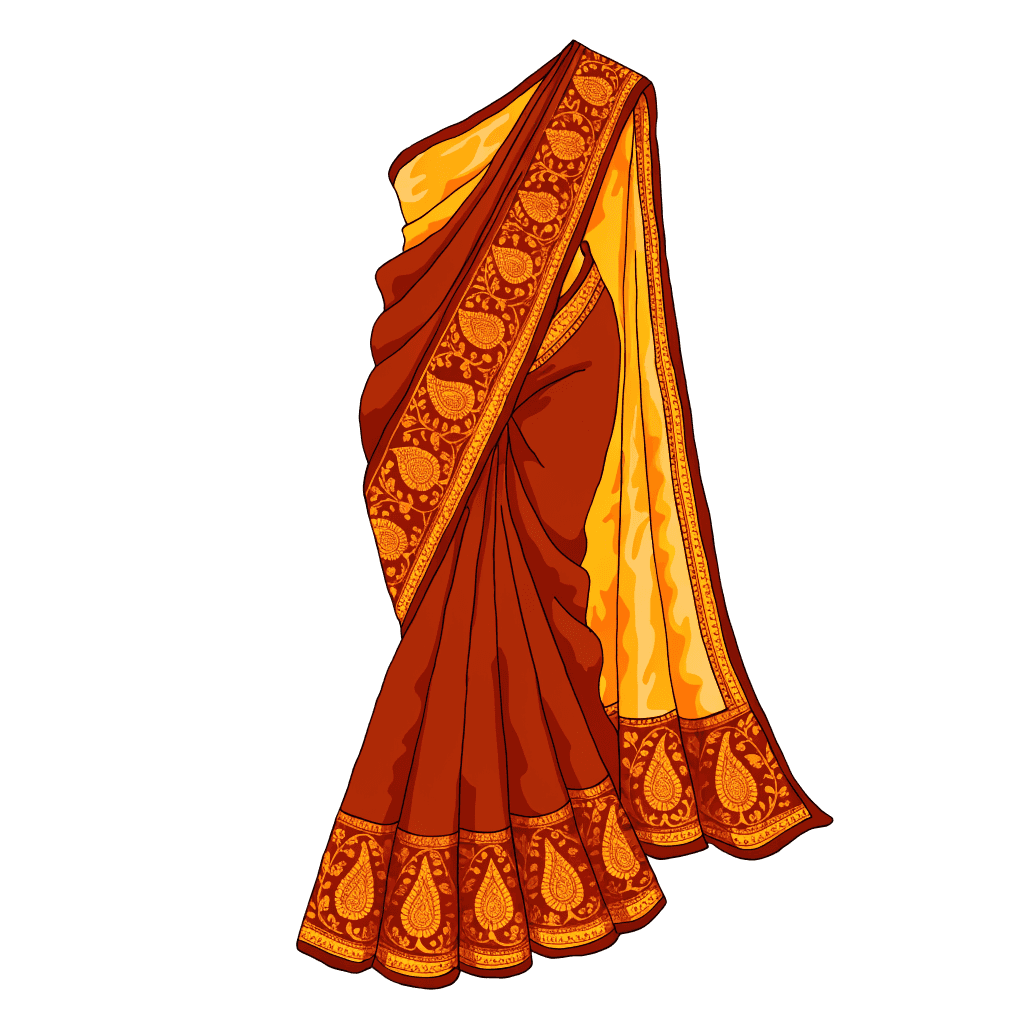
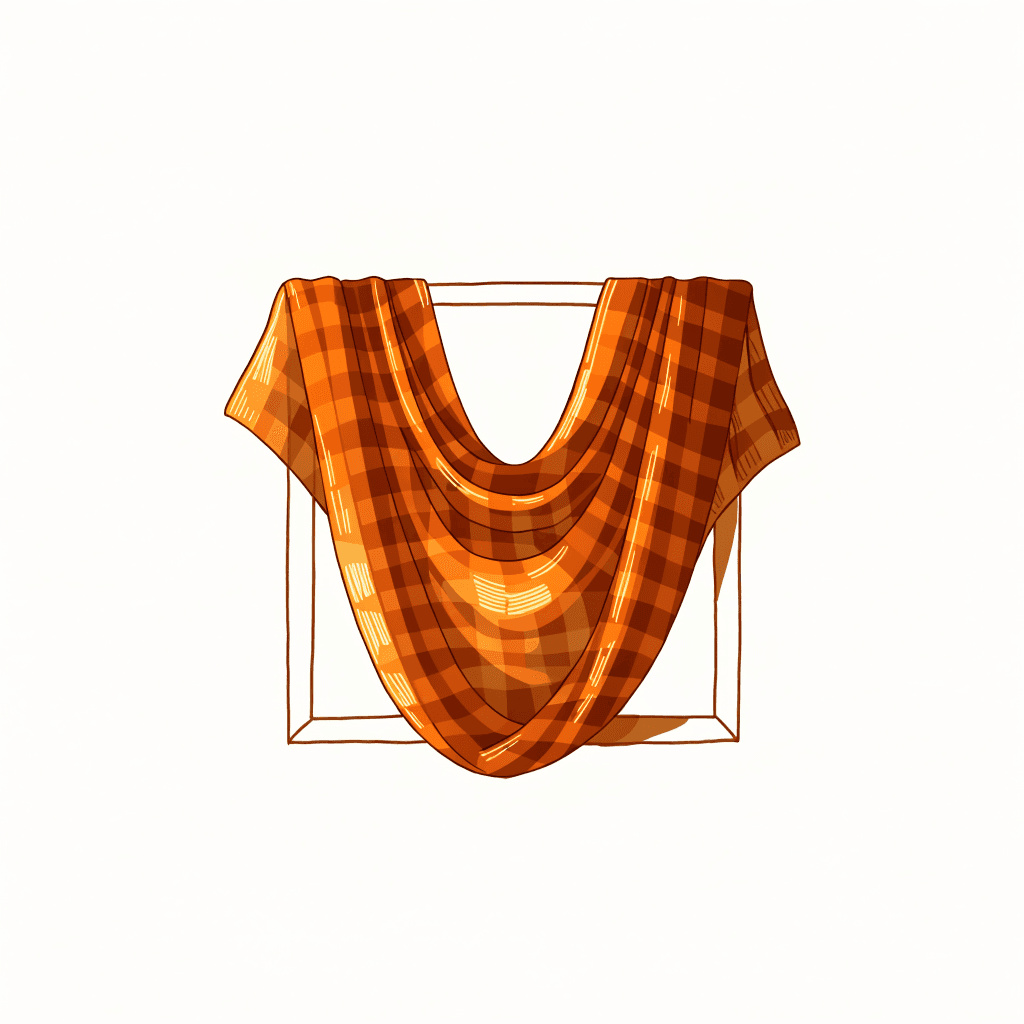
Kota Doria is woven not in Kota city so much as in Kaithoon, a town nearby where the looms are largely worked by women. Local tradition holds that the craft came north with weavers from Mysore, brought to Kota in the Mughal era by the general Rao Kishore Singh — which is why the fabric is still affectionately called Kota Masuria. Whatever the precise route, the weave that took root in the Hadoti region became Rajasthan's definitive answer to hot weather: an open, gauze-light cloth that lets air through and barely touches the skin. Its identity rests on one device — the khat, a small square check produced by alternating fine cotton and silk threads in both warp and weft. Cotton lends strength and matte body; silk lends sheen and lightness; the alternation creates a graph-paper grid of tiny translucent squares across the entire cloth. Genuine sarees carry hundreds of khats across their width, and connoisseurs judge a piece by the evenness of that grid. Once patronised by the Kota royal court, the weave now travels far beyond Rajasthan, worn wherever summers are unforgiving.
How it is made
Kota Doria is woven on traditional pit looms, mostly by the women of Kaithoon. The khat grid is engineered in the yarn plan: bands of fine cotton alternate with silk in both directions, and the differing behaviour of the two fibres raises the checked, open texture. Before weaving, the delicate yarns are strengthened the old way — dressed with a paste of onion juice and rice starch, which lets threads this fine survive the loom's tension. Borders and butis are worked in real zari on finer pieces. A plain saree takes several days; heavily patterned zari work can take weeks. The finished cloth weighs almost nothing and folds down to a fraction of a normal saree's bulk.
Buying guide
Hold it against light: the khat grid of a real Kota Doria shows as an even lattice of translucent squares, with the faint irregularities of handloom work. The cloth should feel airy and almost weightless, crisp rather than slippery — a synthetic drape suggests a powerloom copy. Check that zari is woven into borders, not printed. Everyday cotton sarees typically run ₹1,500–₹5,000; silk-rich pieces with real zari reach ₹25,000–₹35,000. Ask for the GI tag, especially outside Rajasthan.
Care
Hand-wash cotton Kota gently in cold water without wringing — the open weave distorts if pulled. Dry-clean silk and zari pieces. Dry in shade, iron on low while slightly damp, and store folded in muslin. Refold along different lines occasionally so the fine checks don't wear at permanent creases.
Good questions, honest answers
What exactly is a khat?
A khat is the small square check that defines Kota Doria, created by alternating fine cotton and silk threads in both warp and weft. The two fibres behave differently — cotton matte and firm, silk lustrous and fine — so the surface resolves into a delicate grid of tiny translucent squares.
Why is it also called Kota Masuria?
Local tradition says the weavers originally came from Mysore, brought to Kota during the Mughal era by the general Rao Kishore Singh. 'Masuria' preserves that Mysore connection in the fabric's name, and many weavers and traders in Kaithoon still use the two names interchangeably.
Is such a sheer fabric durable?
More than it looks. The yarn is traditionally strengthened with onion juice and rice starch before weaving, and the cotton-silk alternation gives the open cloth real tensile backbone. Handled sensibly — gentle washing, no wringing — a good Kota Doria gives years of summer wear.
Explore the living traditions
We are onboarding Kota Doria artisans. Meanwhile, explore every craft available on VedikCraft today.
Explore all crafts →
At a glance
- Region
- Kota, Rajasthan
- Community
- Kaithoon weavers
- Materials
- cotton, silk
- Techniques
- square-check (khat) weave
- Typical price band
- ₹1,500 – ₹35,000