Textiles & Handloom
Paithani — Maharashtra's Tapestry-Woven Silk
The story
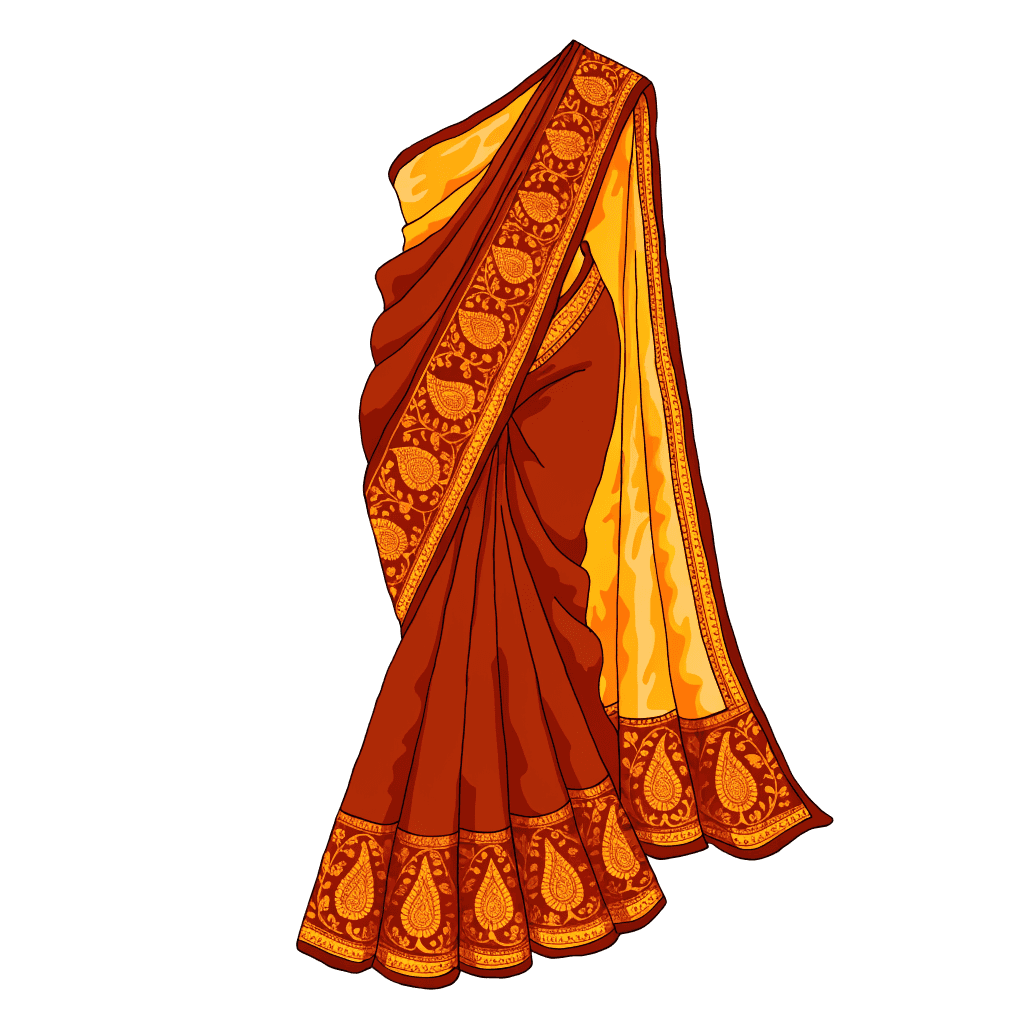
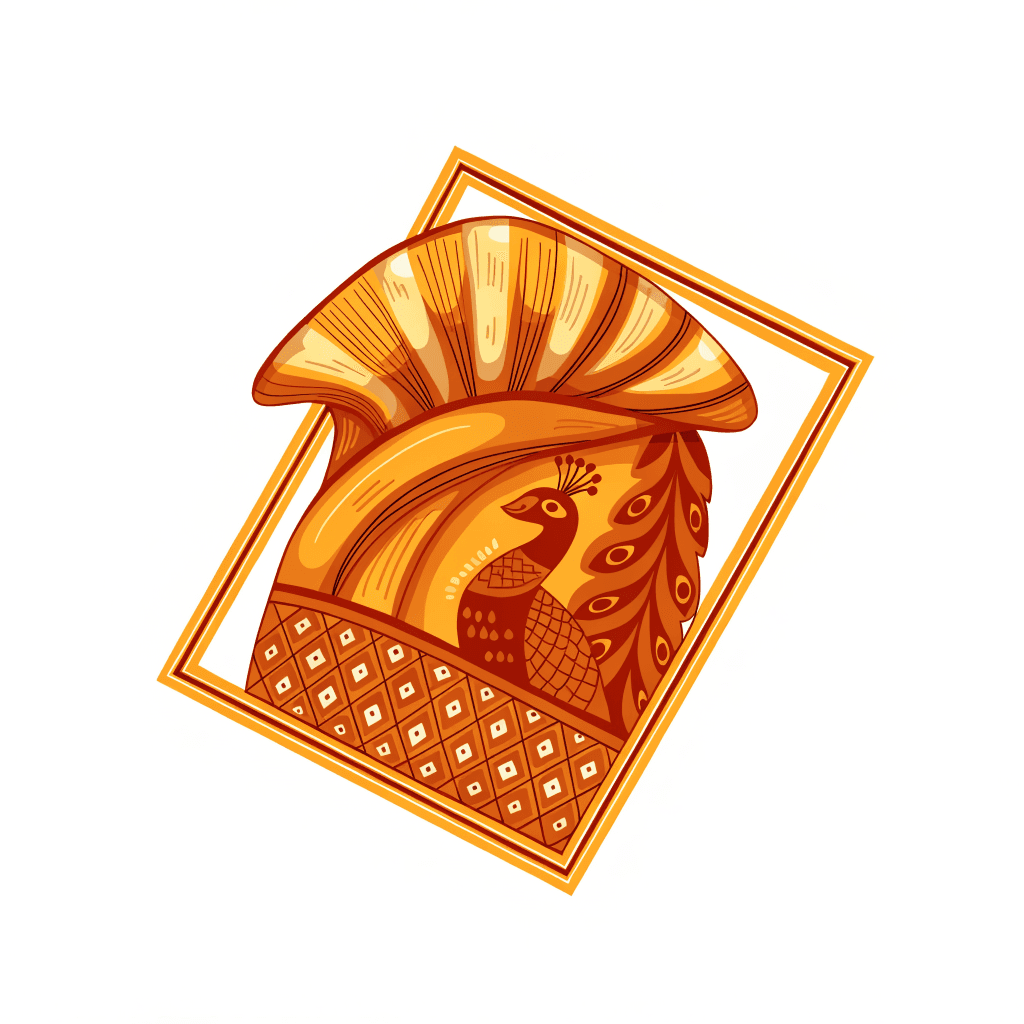
The Paithani takes its name from Paithan on the Godavari — ancient Pratishthana, capital of the Satavahana dynasty — a city whose fine cloth was known to ancient trade long before the sari acquired its modern form. The weave was richly patronised in the Maratha era, when the Peshwas' favour helped establish Yeola, near Nashik, as the tradition's second and now larger centre. What sets the Paithani apart is its pallu and border: they are not brocaded by mechanism but built by hand in a tapestry technique, each colour of silk and zari wound on small bobbins called tillis and interlocked weft by weft. The result has no floating threads and no wrong side — a Paithani's famous peacocks look as finished on the reverse as on the front. The canon of motifs is beloved across Maharashtra: the asawali flowering vine, the bangdi-mor peacock ringed in a bangle, munia parrots, lotus buds, and borders of oblique squares. It is the state's wedding silk, folded into trousseaus and passed down generations. The Paithani Sarees and Fabrics Geographical Indication ties the name to its home looms.
How it is made
A Paithani is part weaving, part tapestry. The body is woven in dyed mulberry silk, often shot with a second colour so the cloth shifts hue in the light. For the border and the celebrated pallu, the weaver abandons the shuttle's full pass: each motif colour — silk or gold zari — is wound on its own tilli and worked back and forth only within its own area, interlocked with its neighbours at every boundary. Built this way, peacocks, parrots and lotus vines emerge with clean edges and no floats, identical on both faces. It is slow, wrist-driven work; an elaborate pallu can take months on its own, which is why grand Paithanis are commissioned, not picked off a shelf.
Buying guide
Turn the pallu over — this is the whole test. A handwoven Paithani's tapestry work is reversible, with motifs as clean on the back as the front; powerloom imitations show floats, knots and a messy reverse. The oblique-square border and hand-interlocked colour joins are further tells. Expect genuine handloom pieces to start around ₹6,000, with richly worked bridal Paithanis running well past ₹1,00,000 and masterworks toward ₹3,50,000. Buy with GI labelling and a straight answer about where it was woven.
Care
Dry-clean only, and infrequently. Store the sari wrapped in muslin, flat, and refold it along different lines every few months — zari-heavy pallus crack at permanent creases. Keep it clear of perfume, damp and long stretches of direct sunlight, and air it in shade once or twice a year. A cared-for Paithani outlives its first owner by design.
Good questions, honest answers
What makes the Paithani pallu different from other brocades?
It is tapestry, not brocade in the usual sense. Each colour is wound on its own small bobbin, or tilli, and woven only within its motif, interlocked by hand at every colour boundary. Nothing is carried across the back, so there are no floats and the design is fully reversible — the surest signature of a genuine handloom Paithani.
How long does a Paithani take to weave?
It varies enormously with the pallu. A simpler sari may come off the loom in a few weeks, while an elaborate peacock-and-lotus pallu worked densely in zari can occupy a weaver for months, and the grandest commissions longer still. Since the tapestry work cannot be rushed or mechanised, weaving time is the honest core of the price.
Should I buy from Paithan or Yeola?
Both are authentic homes of the weave. Paithan is the historic namesake town on the Godavari; Yeola, which grew under Peshwa-era patronage, is today the larger production centre. The GI covers the tradition rather than crowning one town, so judge the individual sari — reversible pallu, genuine zari, handloom evidence — rather than the address alone.
Explore the living traditions
We are onboarding Paithani artisans. Meanwhile, explore every craft available on VedikCraft today.
Explore all crafts →
At a glance
- Region
- Paithan / Yeola, Maharashtra
- Community
- Paithan/Yeola weavers
- Materials
- silk, zari
- Techniques
- tapestry weave, interlocked pallu
- Typical price band
- ₹6,000 – ₹3,50,000