Home Décor & Furnishings
How Panipat Became India's City of Weavers
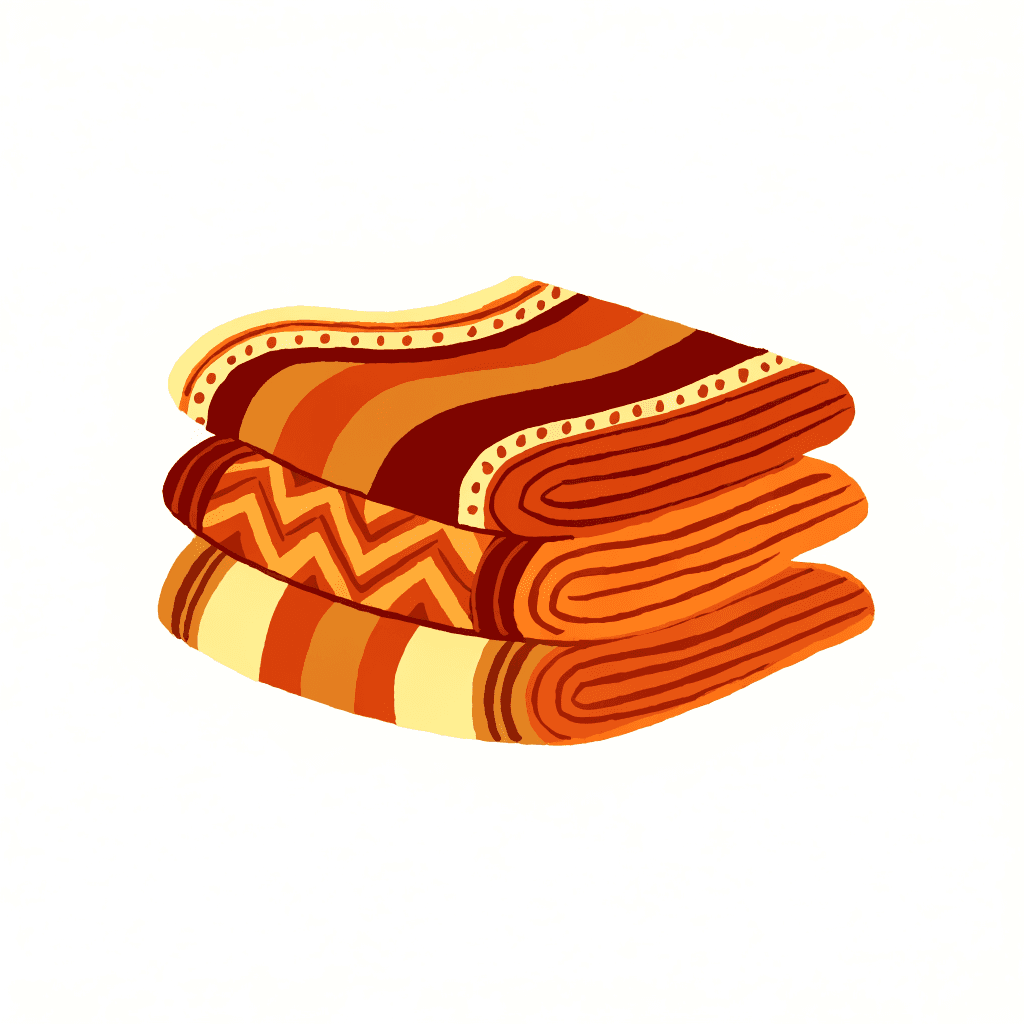
The story
Panipat's looms are older than its modern fame, but the city's weaving identity was transformed by Partition. After 1947, weaver families migrating across the new border settled in Panipat and set up looms, and within a generation the town had grown into India's largest hub for woven home furnishings. Today its durries, rugs, cushion covers and throws travel from Haryana to homes on every continent — a great deal of India's home-textile story runs through this one city. Panipat added a second, remarkable chapter: recycling. The city became a major centre for turning discarded textiles into usable yarn, and its weavers learned to spin cast-off fibre into affordable, honest floor coverings. A Panipat durrie made of recycled cotton is craft and thrift in one object — sturdy, colourful and easy on both the pocket and the planet. The community of Panipat weavers spans thousands of households and workshops, working frame looms and pit looms in homes and small units across the city. It is not a rarefied heirloom tradition; it is a living, high-volume craft economy — the place to look when you want handwoven durability at an everyday price.
How it is made
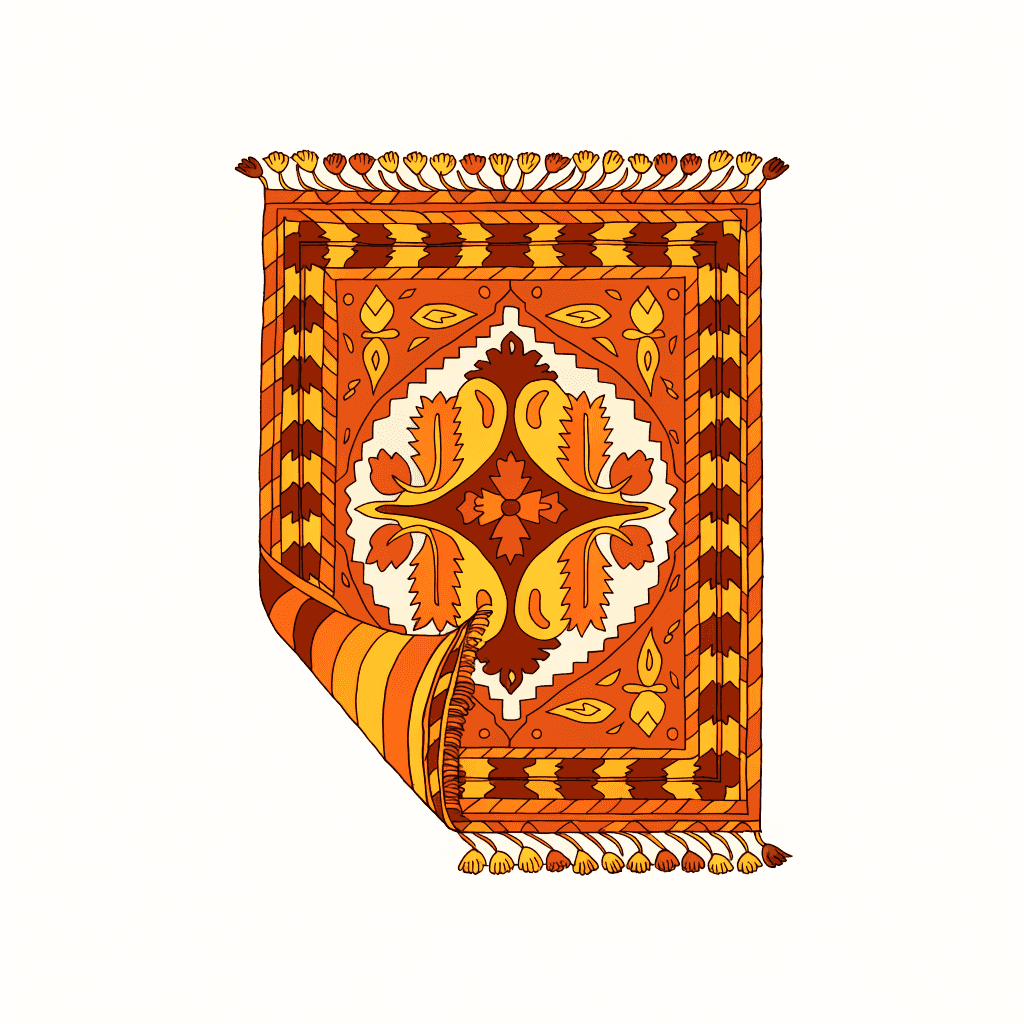
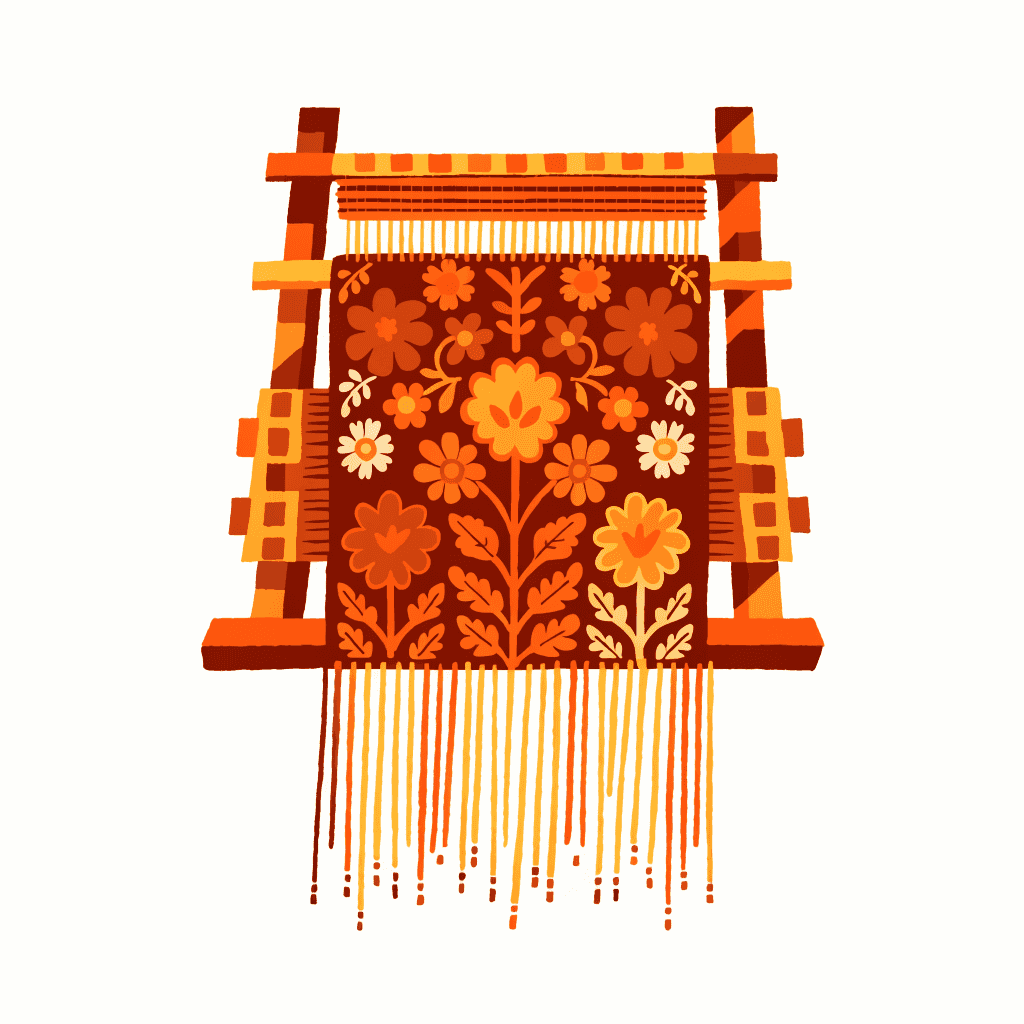
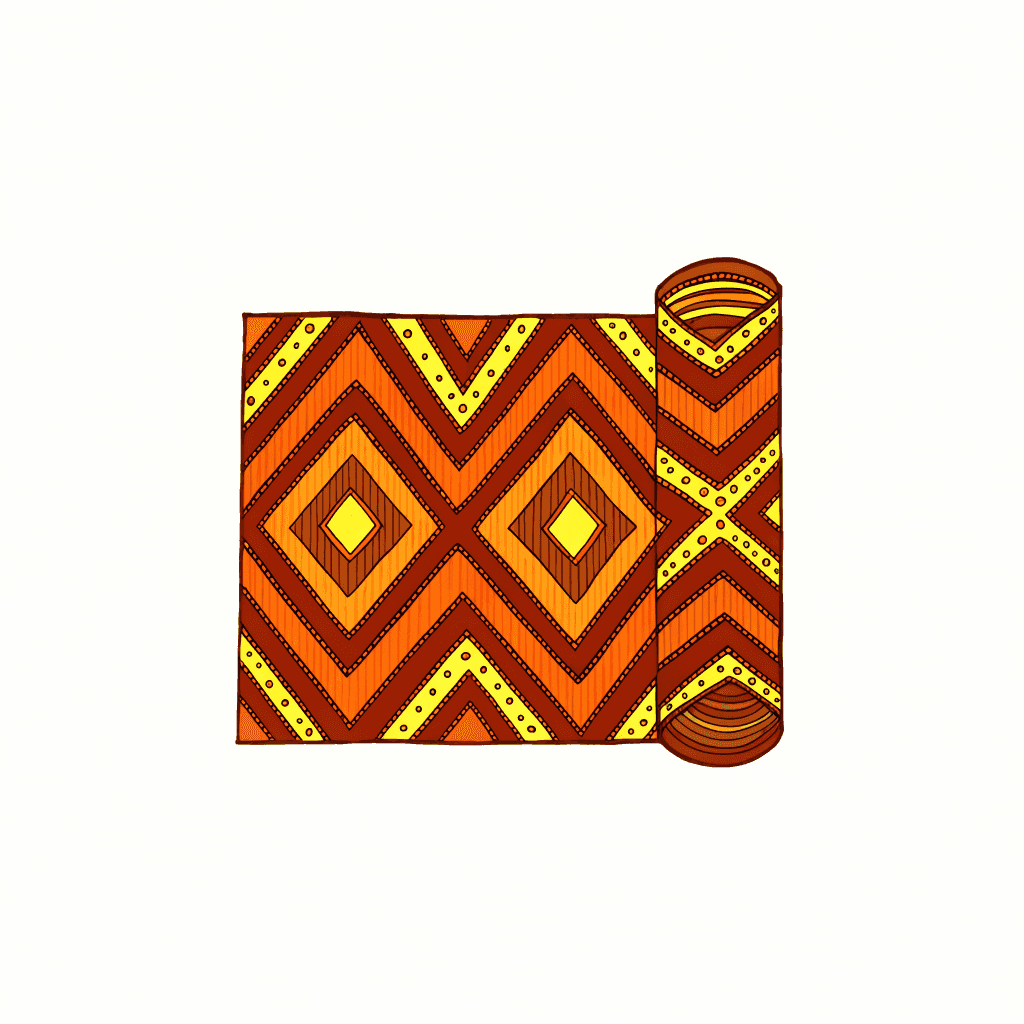
Panipat's signature durrie is a cotton flat weave. Yarn — freshly spun or made from sorted, respun recycled fibre — is dyed in bulk, and warps are stretched on frame or pit looms. The weaver passes coloured wefts to build stripes, checks and geometric panels, beating each line down with a panja claw until the weave is dense and the warp vanishes inside it. The same cluster weaves furnishing fabric on pit looms, which is cut and sewn into cushion covers, throws and runners. Recycled-fibre yarn is slightly slubby and varied in tone, which gives these durries their softly heathered look. There is no pile and no backing — the durrie is finished as it leaves the loom, needing only edge-binding and a final trim.
Buying guide
Decide first between virgin cotton and recycled-fibre yarn: recycled pieces are heathered and economical, virgin cotton crisper in colour. Check the beat — a good durrie feels dense, not floppy — and look for straight edges and firm binding. Most Panipat durries and furnishings sit between roughly ₹500 and ₹20,000 depending on size, yarn and complexity. Panipat is a volume hub, so quality varies more than in single-village crafts; buy on the weave in front of you.
Care
Vacuum or shake out regularly and flip the durrie so both faces share the wear. Small cotton pieces can be machine-washed on a gentle cold cycle or hand-washed — expect recycled-yarn colours to soften slightly over washes. Dry flat in shade. Cushion covers and throws wash like sturdy cotton garments. Use a rug pad on tile or wooden floors.
Good questions, honest answers
Is recycled-fibre yarn lower quality than fresh cotton?
It is different, not inferior. Recycled yarn is slightly slubby with gently mixed tones, giving durries a soft, heathered look, and it makes them remarkably affordable. Colours may be a touch muted compared with virgin-dyed cotton, and they soften further over washes. Judge any durrie by the density of its beat and the firmness of its edges — that is where quality lives.
How does a Panipat durrie differ from a Warangal durrie?
The weave is cousinly — both are panja-beaten flat weaves — but the clusters differ. Warangal is a single GI-tagged tradition in Telangana known for its bold signature geometry. Panipat is India's largest furnishings hub, producing an enormous range of designs, yarns and price points, including recycled-fibre pieces. Warangal offers protected provenance; Panipat offers variety and everyday value.
Can Panipat durries and throws be machine-washed?
Smaller cotton durries usually survive a gentle, cold machine cycle, though hand-washing is kinder; dry flat in shade to hold the shape. Cushion covers and cotton throws wash like sturdy garments. Anything large, heavy or containing wool should be dry-cleaned. Expect recycled-yarn colours to mellow slightly over repeated washes — part of their lived-in character.
Explore the living traditions
We are onboarding Panipat Durrie & Furnishings artisans. Meanwhile, explore every craft available on VedikCraft today.
Explore all crafts →
At a glance
- Region
- Panipat, Haryana
- Community
- Panipat weavers
- Materials
- cotton, recycled-fibre, wool
- Techniques
- flat-weave, pit-loom furnishing
- Typical price band
- ₹500 – ₹20,000