Textiles & Handloom
Moirang Phee and Wangkhei Phee, Manipur's Heirloom Weaves
Also known as Manipuri handloom
The story
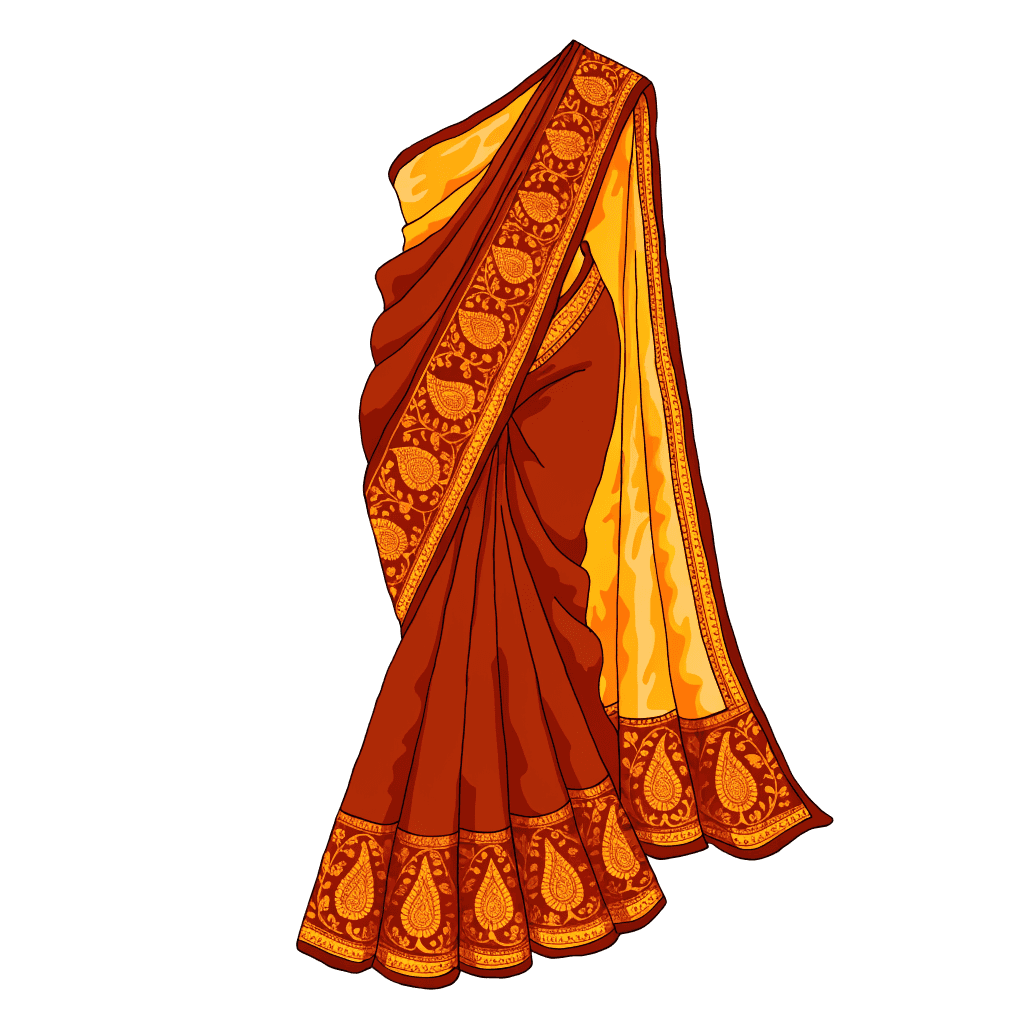
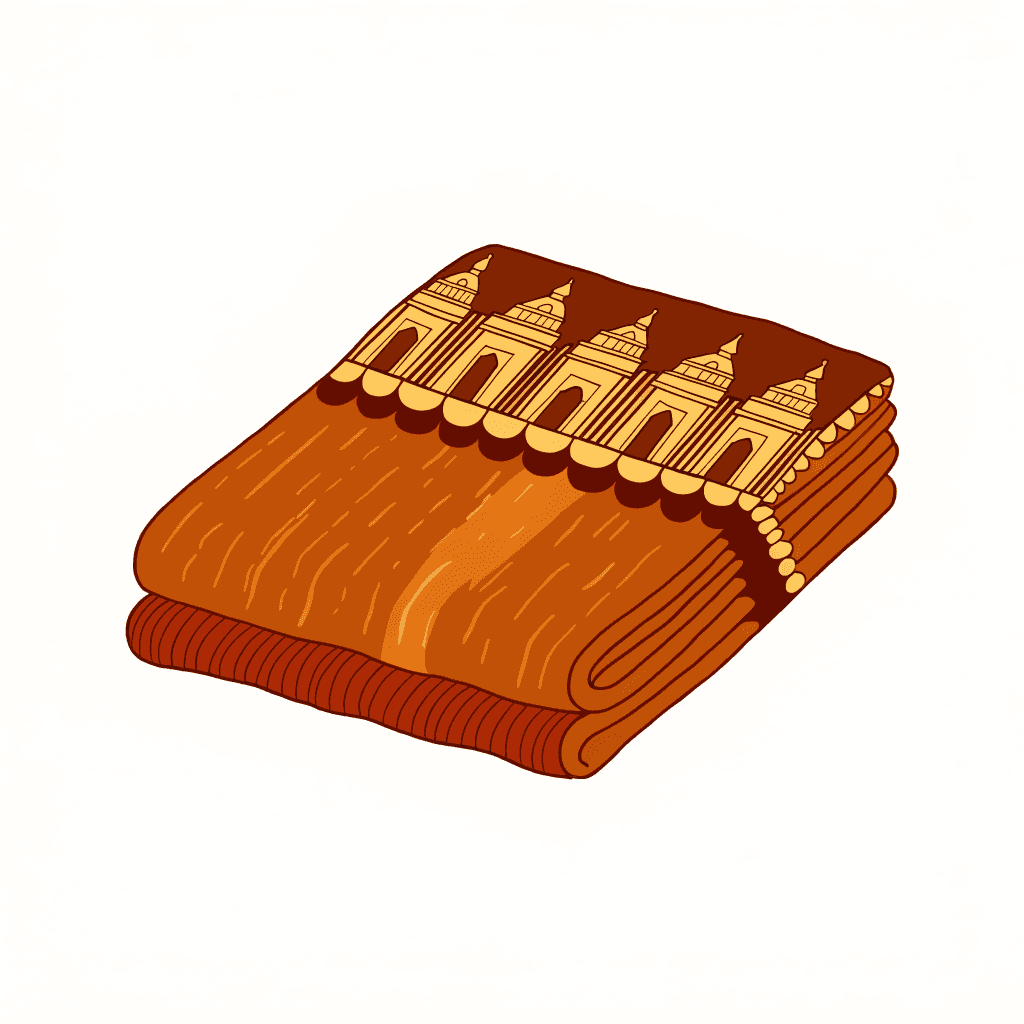
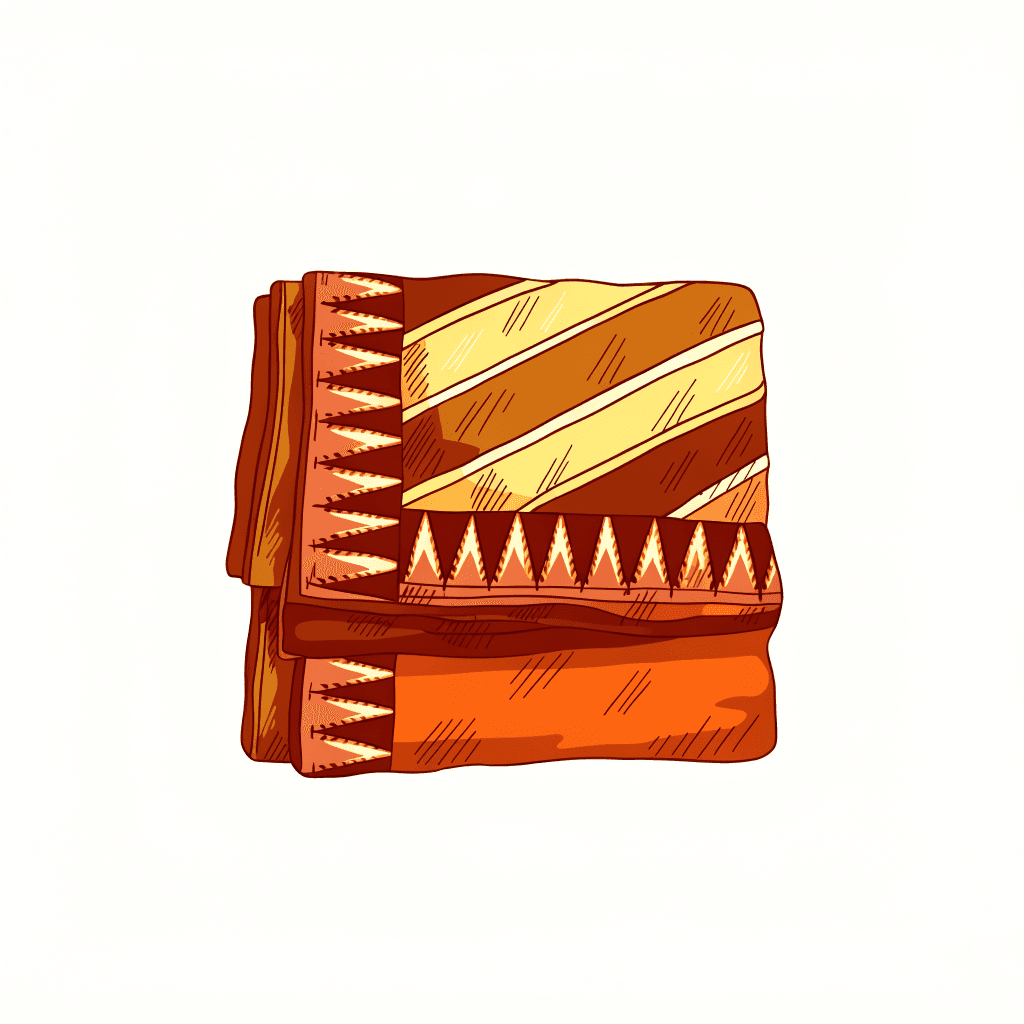
Few places weave like Manipur, where a loom has historically stood in nearly every Meitei household and weaving was counted among a woman's essential accomplishments. Out of that dense tradition, two cloths earned names of their own. Moirang Phee, from the old town of Moirang near Loktak lake, is defined by its temple border: rows of stepped pyramids climbing the cloth's edge, woven in honour of Thangjing, the presiding deity of Moirang — a place whose lore also carries the celebrated Meitei romance of Khamba and Thoibi. Wangkhei Phee comes from the Wangkhei locality of Imphal, and its claim is transparency: a hand-woven cotton so fine and sheer it drapes like mist, reserved for weddings and ceremonial dress. Both cloths live in the Meitei wardrobe as the phanek, the wrapped lower garment, as the innaphi shoulder cloth, and now as sarees for the wider Indian market. Woven in fine cotton and silk, they pair everyday discipline with occasion-wear refinement, and both now carry Geographical Indications — a striking double recognition for the weaving culture of one small state.
How it is made
Wangkhei Phee begins with very fine cotton yarn, woven at high count yet open enough to stay translucent — the sheer effect depends on perfectly even hand tension, and any lapse shows. Moirang Phee's temple border is built by extra-weft patterning: the weaver introduces supplementary threads at the borders, lifting warps by hand or heddle to raise the stepped-pyramid motif row upon row, each step aligned with the last so the pyramids climb cleanly. Weavers work on throw-shuttle and fly-shuttle frame looms, with the loin loom surviving for traditional phanek widths. Silk versions follow the same grammar at higher stakes. A fine sheer piece or a densely bordered ceremonial weave can take weeks at the loom.
Buying guide
Prices run from about ₹2,000 for cotton phaneks and stoles to ₹30,000 for fine silk ceremonial sarees. On a Moirang Phee, examine the temple border: hand-woven pyramids show yarn floats and minute step variations on the reverse, where prints and powerloom copies are flat and uniform. Hold a Wangkhei Phee to the light — true hand-woven sheerness has a soft, faintly irregular grain. Prefer GI-labelled pieces from Manipur cooperatives and weaver-led sellers.
Care
Hand wash cotton pieces in cold water with mild detergent; dry-clean silk and heavily bordered ceremonial weaves. Never wring sheer Wangkhei Phee — press water out flat between towels. Dry in shade, iron low on the reverse, and store folded in muslin, refolding periodically so the fine cloth doesn't weaken along creases.
Good questions, honest answers
What is the temple border on a Moirang Phee?
Rows of stepped pyramid motifs that climb the borders of the cloth, woven — not printed — with supplementary threads. The design honours Thangjing, the deity of Moirang, and it is the single feature that defines a Moirang Phee. Sharp, evenly stepped, hand-raised pyramids are the mark of a good weaver.
What is a phanek?
The Meitei women's wrapped lower garment, worn something like a sarong and central to Manipuri dress. Phaneks are woven in both everyday cottons and ceremonial silks, often with dense borders. Both Moirang Phee and Wangkhei Phee are traditionally worn as phaneks and shoulder wraps, alongside modern saree formats.
How can I tell hand-woven Wangkhei Phee from mill muslin?
Hold it against light: hand-woven sheer cloth shows a living, slightly irregular grain and a soft drape, while mill muslin is glassily uniform. Check the selvedges for hand finishing, and the feel — Wangkhei Phee is airy but not flimsy. A GI label and a Manipur-based seller settle the question.
Explore the living traditions
We are onboarding Moirang Phee & Wangkhei Phee artisans. Meanwhile, explore every craft available on VedikCraft today.
Explore all crafts →
At a glance
- Region
- Moirang & Wangkhei, Manipur
- Community
- Meitei weavers
- Materials
- fine-cotton, silk
- Techniques
- temple-motif border weaving, sheer muslin
- Typical price band
- ₹2,000 – ₹30,000