Textiles & Handloom
Chanderi Sarees: Feather-Light Silk-Cotton Weaving
The story
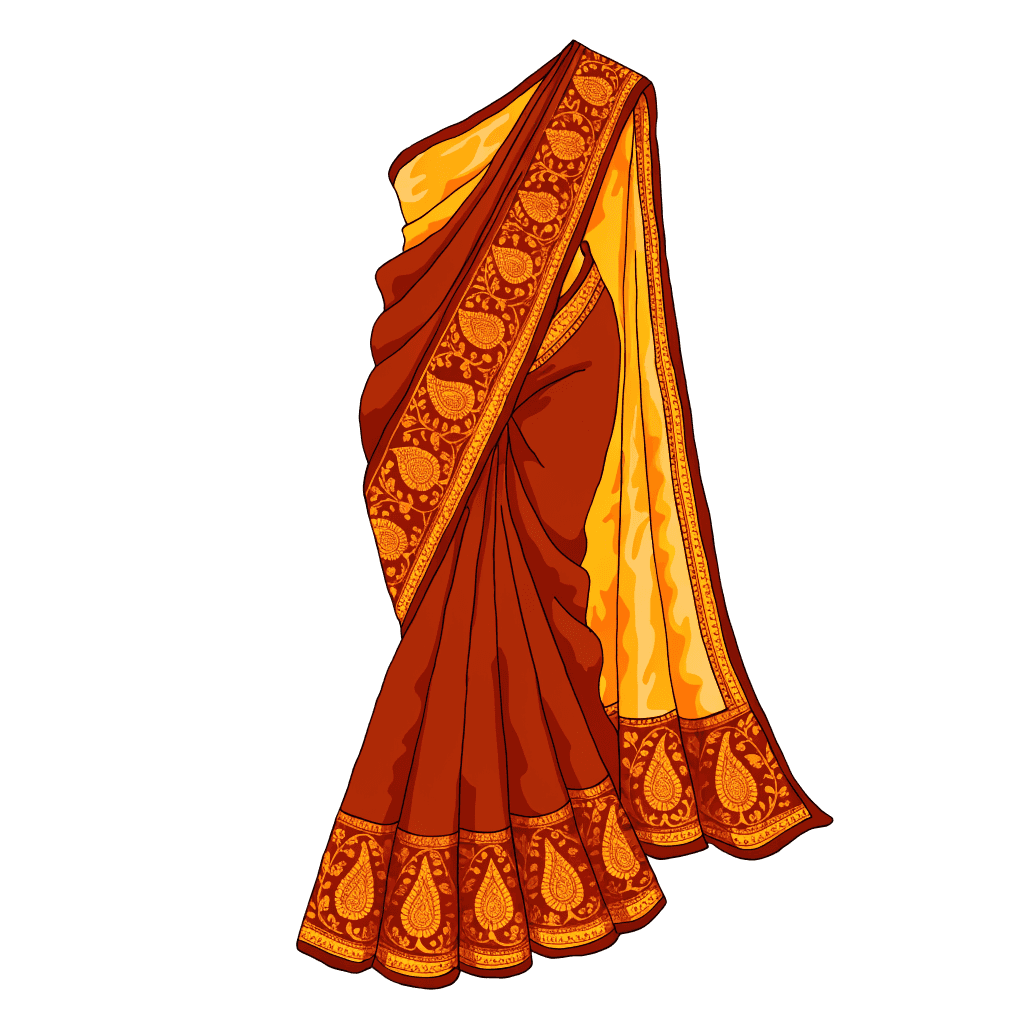
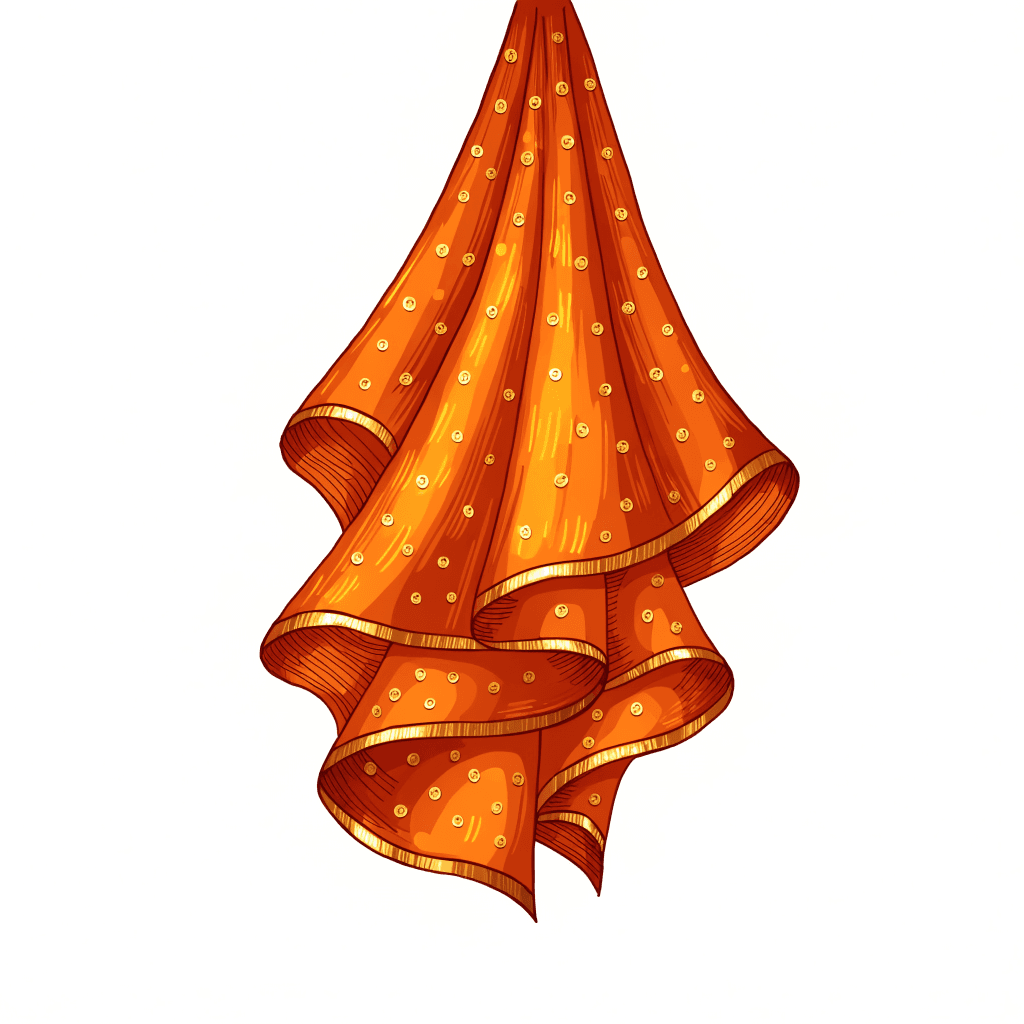
Chanderi, a small fort town in Madhya Pradesh's Ashoknagar district, has been a weaving centre for centuries, sitting on the old trade routes that linked Malwa with Bundelkhand and the Deccan. Its looms flourished under Rajput and later Scindia patronage, producing cloth fine enough for royal wardrobes across central India. Over time the town's name became shorthand for a particular kind of luxury: fabric so sheer it seems lit from within, yet crisp enough to hold a formal drape. The secret is technical rather than mystical. Chanderi's warp uses silk that is not degummed — the natural sericin coating is left on the yarn — which gives the fabric its glassy shimmer and translucent body. Traditionally woven in soft whites and creams with gold borders, the palette widened through the twentieth century into pastels and jewel tones. The gold and silver butis — small woven motifs of coins, peacocks and floral sprays — are inlaid by hand as the cloth grows on the loom. Thousands of weaver families in Chanderi keep the craft alive today, and the fabric remains what it has always been: a summer luxury, light on the shoulder and dressed-up to the eye.
How it is made
Chanderi is woven on handlooms with a fine silk warp and a cotton or silk weft — the silk-cotton blend the GI protects. Because the warp keeps its sericin gum, the yarn is delicate and unforgiving; weavers work slowly, often keeping the workspace humid so the thread stays supple. Buti work is the defining flourish: each motif is inlaid by hand with separate needles of zari as the shuttle passes, so the gold sits in the cloth rather than on it. Borders carry the heavier zari. A plain saree takes a few days; a densely butidar piece can hold a loom for weeks. The finished fabric is sheer and crisp, glinting wherever light crosses the warp.
Buying guide
Hold the fabric to the light: real Chanderi is translucent, with an even sheen that comes from the undegummed silk warp. Handloom pieces show tiny irregularities in the weave, and the butis feel slightly raised — inlaid during weaving, never printed or stitched on afterwards. Check that zari borders are woven in, not appliquéd. Prices typically run ₹2,000–₹6,000 for everyday silk-cottons and climb toward ₹60,000 for pure-silk sarees dense with zari buti work. Ask for the GI or handloom mark.
Care
Dry-clean pure silk and heavy zari pieces. Lighter silk-cottons can be hand-washed in cold water with mild detergent — never wrung. Dry in shade, since direct sun dulls zari. Iron on low with a cotton cloth between plate and fabric. Store folded in muslin and refold along new lines every few months so the sheer weave doesn't crack at the creases.
Good questions, honest answers
What gives Chanderi its shine and transparency?
The warp is woven from silk that hasn't been degummed, so the natural sericin coating stays on the yarn. That coating reflects light, producing the fabric's signature glassy shimmer, and the fine yarn count keeps the cloth sheer. It's a structural quality, not a finish — it doesn't wash out.
How is Chanderi different from Maheshwari?
Both are silk-cotton handlooms from Madhya Pradesh, but they look and feel different. Chanderi is sheer and translucent, decorated with scattered woven butis. Maheshwari is more opaque, patterned with stripes and checks, and famous for its reversible border, which looks finished on both sides. Chanderi reads dressy; Maheshwari leans everyday-elegant.
Is Chanderi suitable for daily wear?
It's one of the best warm-weather weaves in India — light, breathable and quick to drape. The sheerness means most sarees are worn with a lining or matching underskirt, and delicate zari pieces are better saved for occasions. Everyday silk-cotton Chanderis handle regular, careful use well.
Explore the living traditions
We are onboarding Chanderi artisans. Meanwhile, explore every craft available on VedikCraft today.
Explore all crafts →
At a glance
- Region
- Chanderi, Ashoknagar, Madhya Pradesh
- Community
- Chanderi weavers
- Materials
- silk-cotton, zari
- Techniques
- fine sheer weaving, buti work
- Typical price band
- ₹2,000 – ₹60,000