Jewellery & Adornment
Tribal Dhokra Jewellery in Lost-Wax Brass
The story
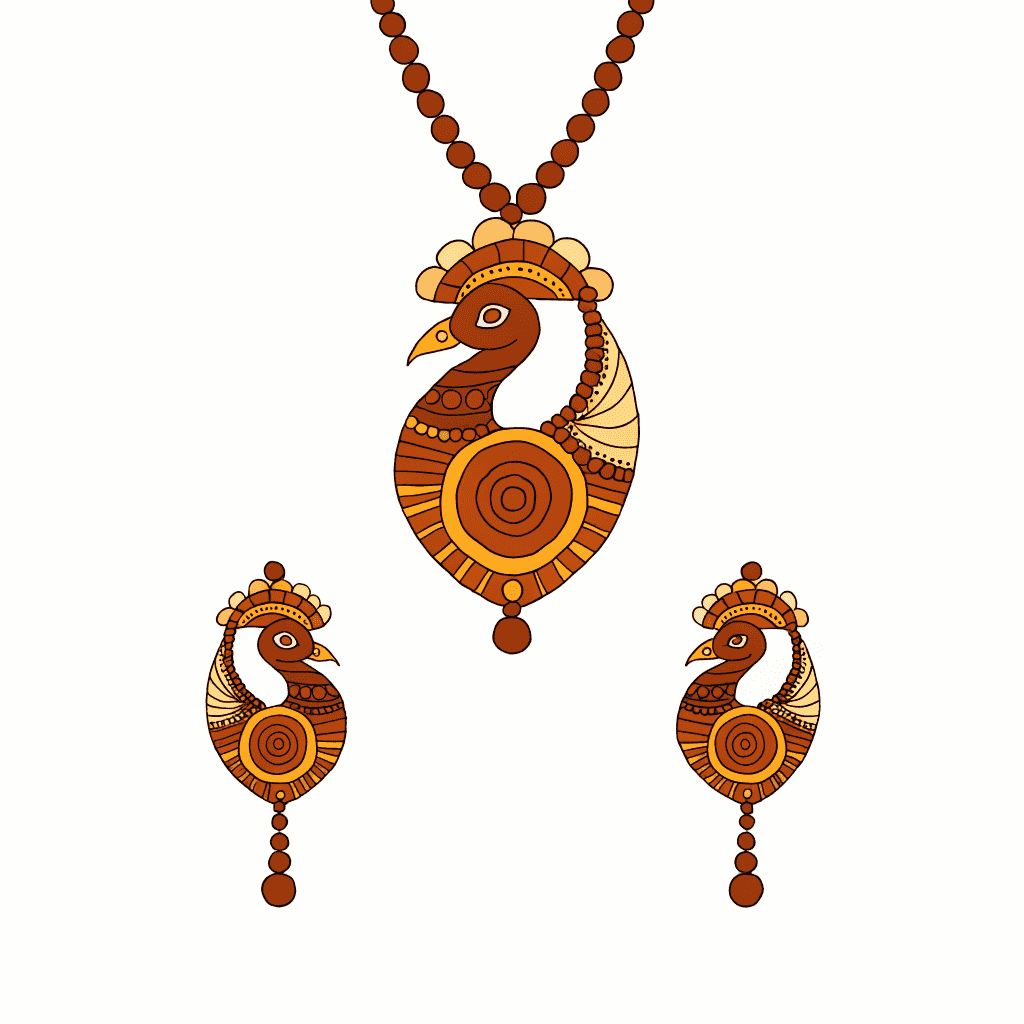
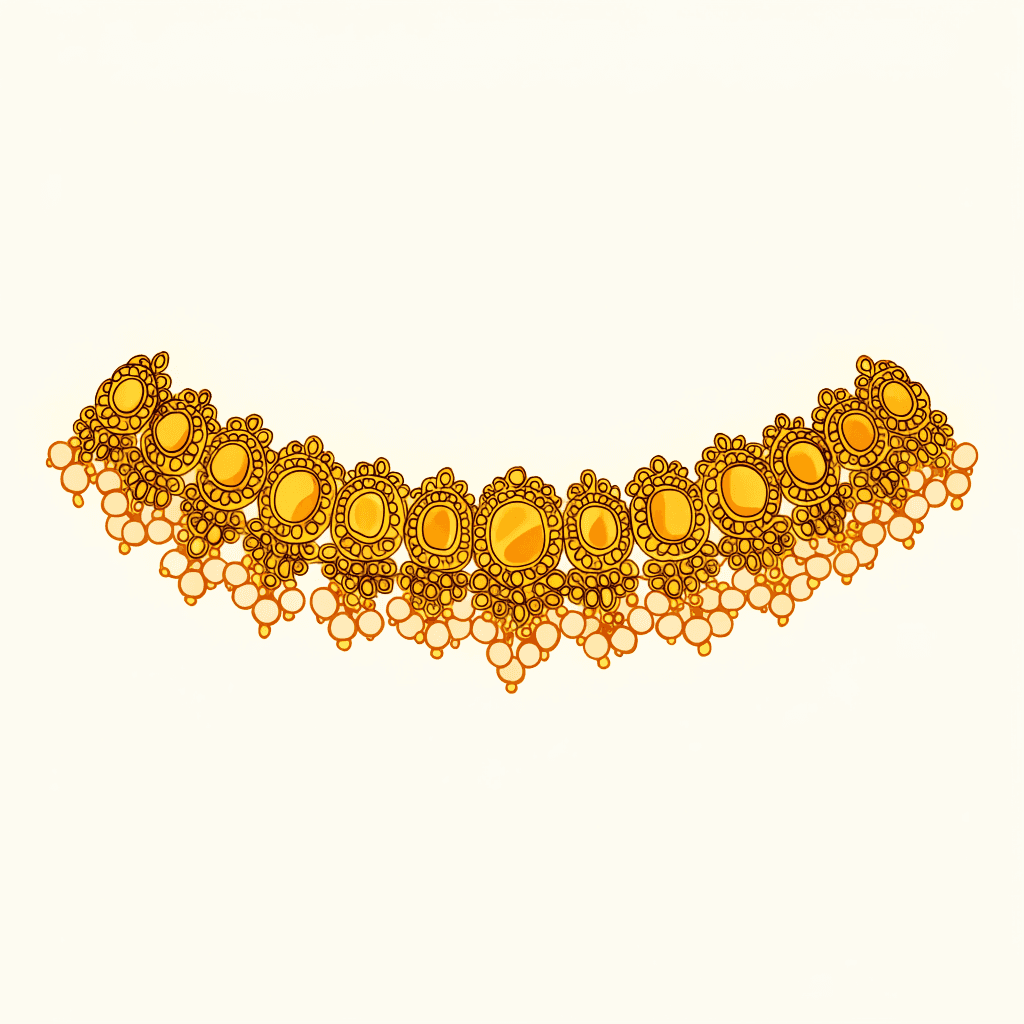
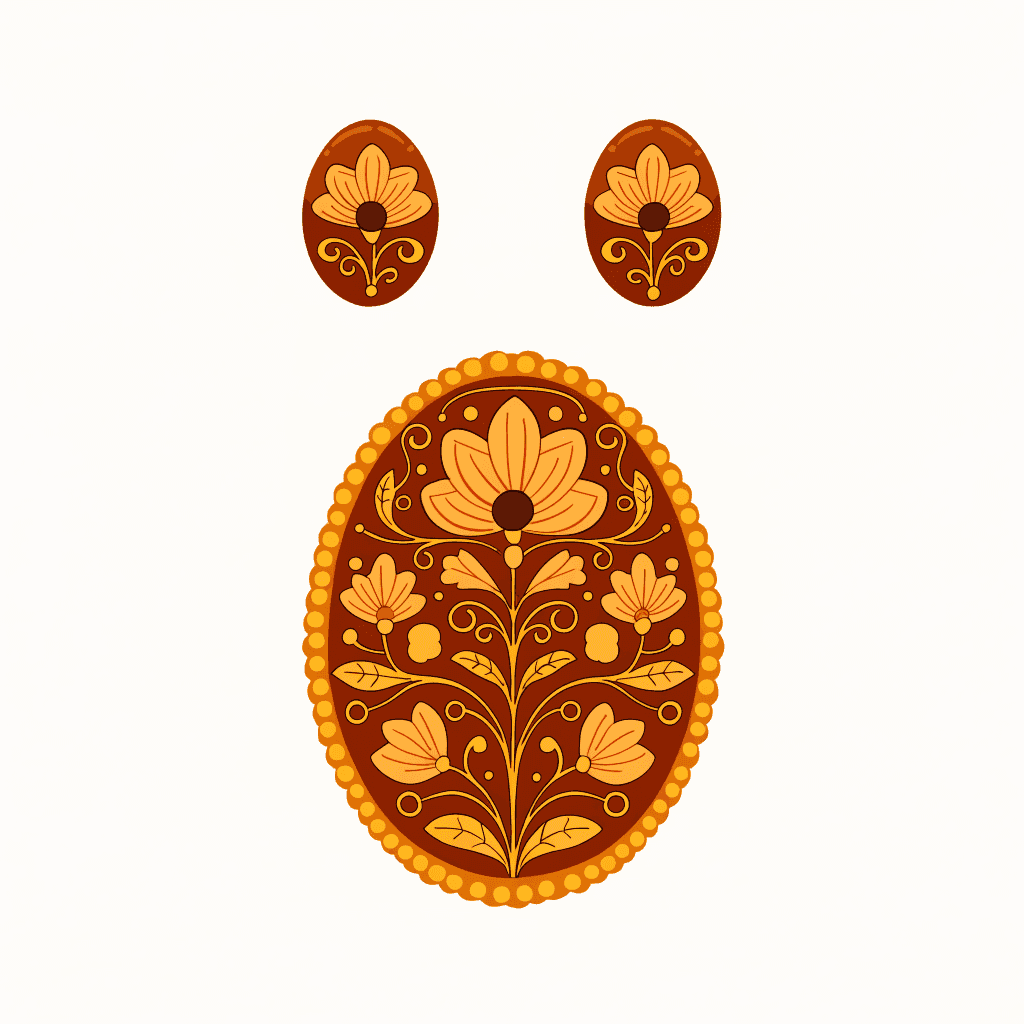
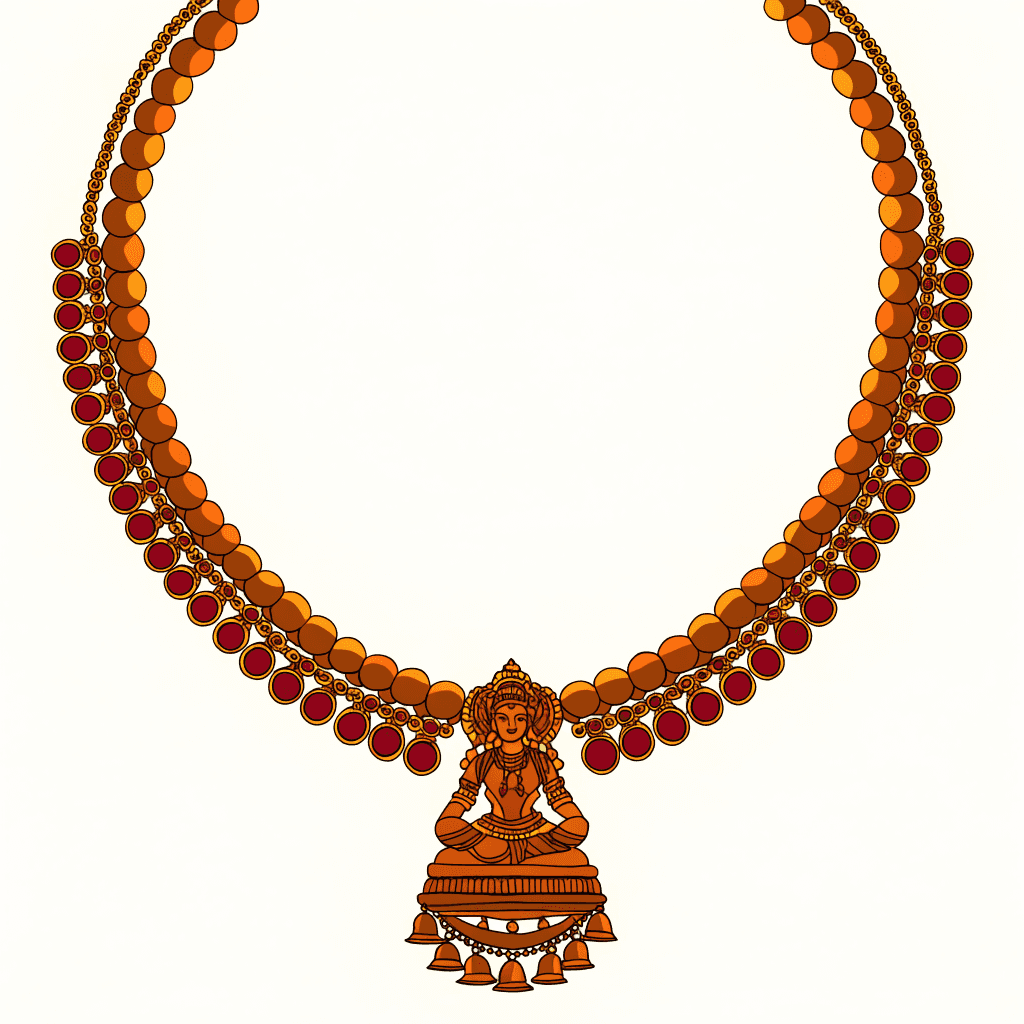
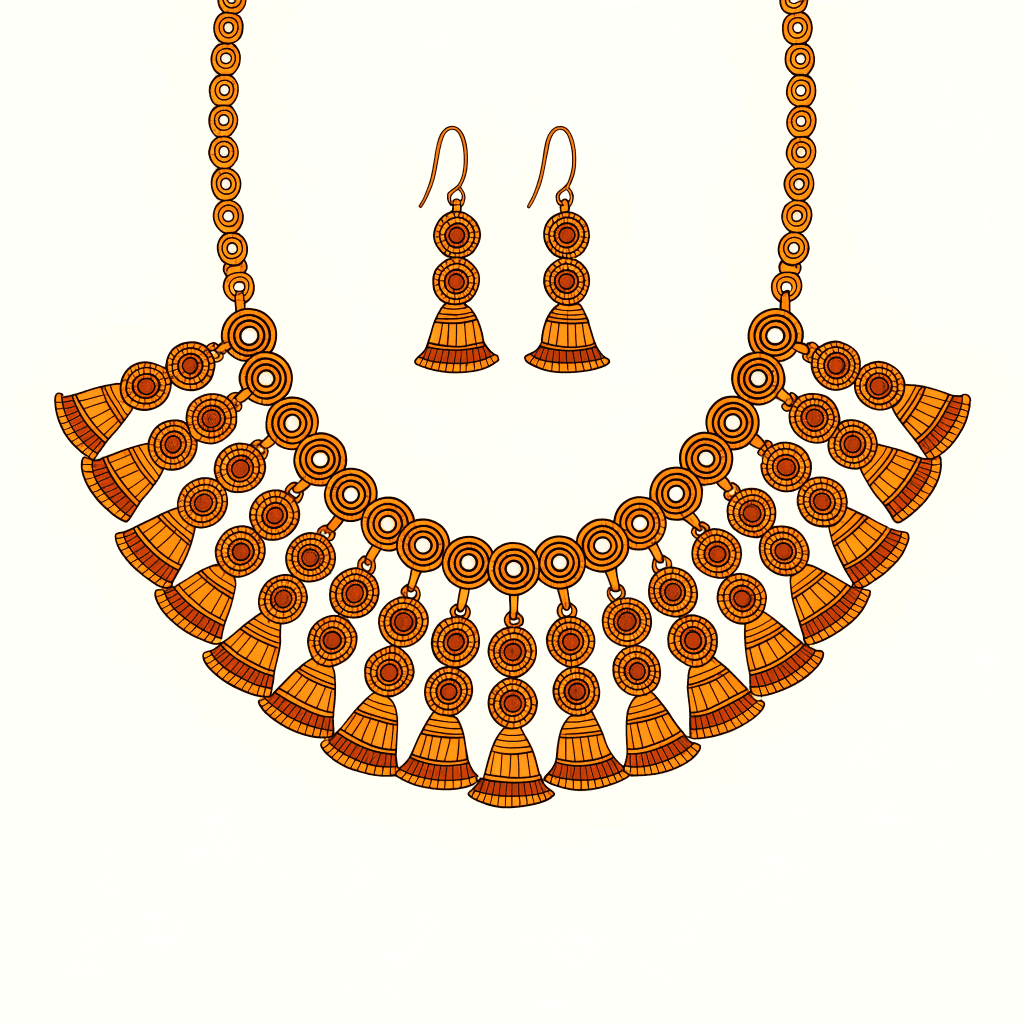
Dhokra is one of the oldest metalworking traditions still alive anywhere — lost-wax casting of the kind practised in the subcontinent for over 4,000 years, with the famous bronze 'Dancing Girl' of Mohenjo-daro as its most celebrated ancestor. In the forests of central and eastern India, the technique never stopped. The Ghadwa communities of Bastar in Chhattisgarh, along with kindred metalsmith groups in Odisha and Jharkhand, have passed it down as a living trade, casting ritual figures, lamps and measures for their communities. Jewellery has always been part of that repertoire: brass and bell-metal ornaments worn at festivals and weddings, their forms echoing the coiled threads, ropes and grain-like textures of the casting process itself. What changed in recent decades is the audience. The rough-cast surfaces, honest textures and bold geometry of Dhokra necklaces, cuffs and earrings caught the eye of urban designers and buyers, and tribal jewellery moved from haat stalls to fashion editorials without changing how it is made. Every piece is still cast one at a time — the mould is broken to release it — so no two Dhokra ornaments are ever identical.
How it is made
Dhokra jewellery is drawn in wax before it exists in metal. The artisan shapes a core of clay, then dresses it in fine threads of beeswax and resin, pressed through a sieve into strands — coiling, plaiting and winding them into the pendant, bead or cuff. This wax-thread work is what gives Dhokra its signature ropes, spirals and textures. The model is coated in layers of fine clay, forming a mould with a channel for pouring. Fired, the wax melts and runs out; molten brass or bell-metal is poured into the cavity it leaves. Once cool, the mould is broken away — destroyed in the process — and the raw casting is cleaned, filed and gently polished. One mould, one piece, every time.
Buying guide
Look for the tell-tale wax-thread texture — fine ridges, coils and plaits that could only come from lost-wax casting — and expect small asymmetries; perfect uniformity means factory production. Genuine pieces have satisfying weight for their size and a warm golden-brown tone rather than bright lacquered yellow. Earrings typically start around ₹400, while statement necklaces and cuffs run roughly ₹1,000–₹8,000. A Bastar, Odisha or Jharkhand provenance is worth asking about, since the style is widely imitated in stamped sheet metal.
Care
Brass darkens naturally with wear — many owners prize the deepening patina. To slow it, wipe pieces after wear with a soft dry cloth and store them in airtight pouches away from humidity. Restore shine with a paste of lemon juice or tamarind, rinsed briefly and dried thoroughly. Keep pieces off during bathing and exercise; sweat accelerates tarnish.
Good questions, honest answers
Will Dhokra brass jewellery irritate my skin or turn it green?
Brass can leave a faint greenish mark on some skins in humid weather — it is a harmless reaction of the metal's copper with sweat, and it washes off. Wearing pieces over fabric, keeping them dry, or applying a coat of clear jewellery lacquer prevents it. People with strong metal sensitivities should limit prolonged skin contact.
How old is the Dhokra technique?
Lost-wax casting in the subcontinent goes back over 4,000 years — the bronze 'Dancing Girl' figurine from Mohenjo-daro was made by essentially the same method Dhokra artisans use today. The unbroken thread from that ancient metallurgy to a cuff cast in Bastar this year is a large part of the jewellery's appeal.
Why don't two Dhokra pieces ever match exactly?
Because every piece requires its own mould, and the mould must be broken to release the casting. The design is built by hand in wax threads each time, so proportions, textures and small details always vary. Matched-looking pairs of earrings are made side by side, but even they are siblings, not clones.
Explore the living traditions
We are onboarding Tribal Dhokra Jewellery artisans. Meanwhile, explore every craft available on VedikCraft today.
Explore all crafts →
At a glance
- Regions
- Bastar, Chhattisgarh · Odisha · Jharkhand
- Community
- Ghadwa tribes
- Materials
- brass, bell-metal
- Techniques
- lost-wax casting
- Typical price band
- ₹400 – ₹8,000