Pottery & Ceramics
Molela Terracotta: The Clay Gods of Rajasthan
The story
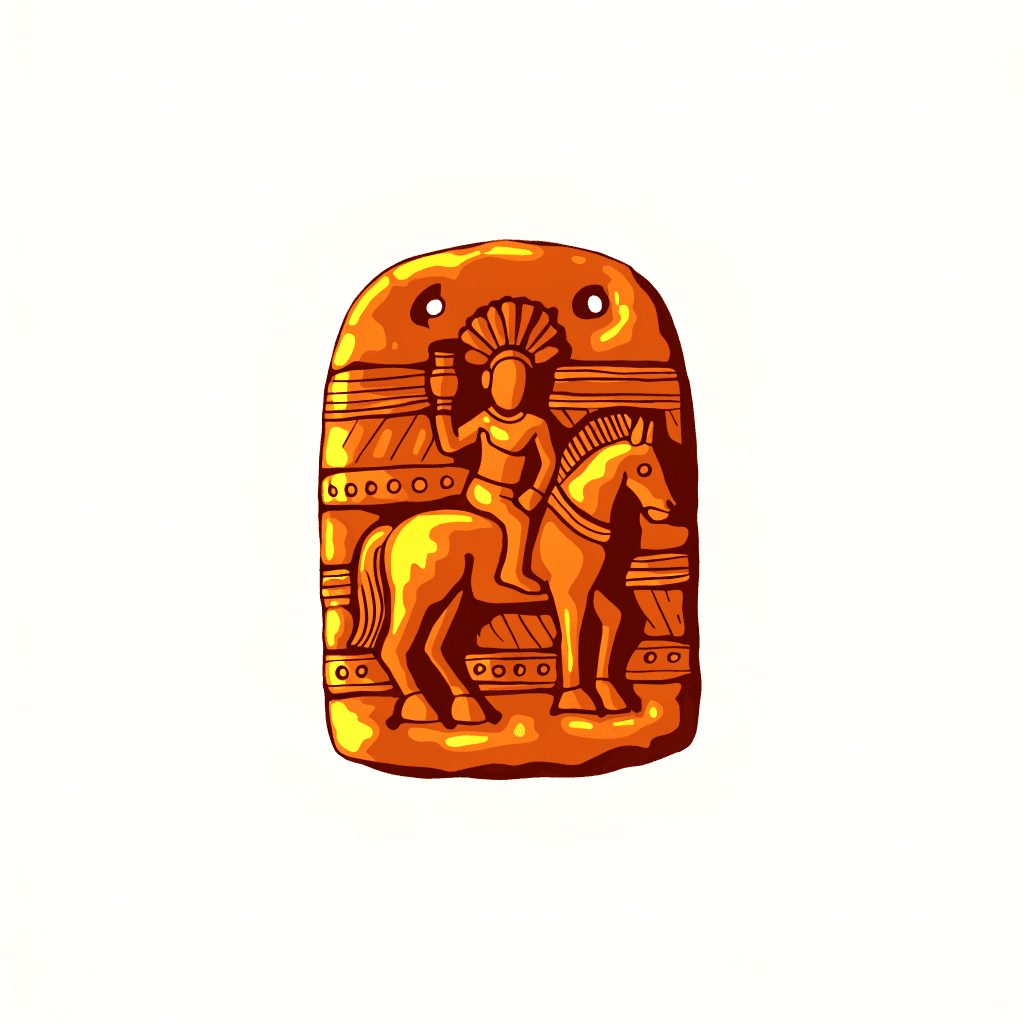
In the village of Molela, near Nathdwara in Rajasthan's Rajsamand district, a community of kumhar potters practises a craft found nowhere else in India: hollow terracotta plaques of gods, modelled in relief and made to be worshipped. Their most beloved subject is Dev Narayan, the folk deity revered across Rajasthan and Malwa, usually shown on horseback and flanked by attendants, serpents and the sun and moon. For generations, Bhil, Gujjar and Mina pilgrims have travelled to Molela in the winter months to commission plaques, carrying them home to enshrine in village shrines. The images are not permanent idols; after some years, communities return to Molela for fresh plaques, keeping the potters' wheel of patronage turning. That cycle of renewal has sustained the craft for centuries and made the village a place of pilgrimage in its own right. Today Molela's plaques have also found a second life as wall art — the same flat, frontal deities and animals, sometimes fired plain and sometimes painted in vivid colours, mounted in urban homes and hotel lobbies. The craft carries a Geographical Indication as Molela Clay Work, tying the name firmly to this one village and its hereditary makers.
How it is made
Molela plaques begin as local clay kneaded with donkey dung and rice husk, which temper the body so it can be fired hollow without cracking. The potter beats the clay into a flat slab, then raises the figures from it by pinching, coiling and pressing — no moulds are used, and the relief stays hollow behind, which keeps large plaques surprisingly light. Details such as eyes, jewellery and weapons are added as thin appliqué strips of clay. The finished plaque dries slowly in shade before firing in a simple open kiln. Some plaques are left in their warm terracotta red, others are coated in geru or painted in bright colours after firing. A large multi-figure panel can take a master potter days of steady modelling.
Buying guide
Genuine Molela plaques are hollow behind — lift one and it should feel lighter than its size suggests. Look for hand-modelled variation: appliqué details, slightly irregular edges, tool marks in the clay. Cast or moulded copies feel dense and repeat identically. Prices typically run ₹500–₹15,000; small single-deity plaques sit at the lower end, while large painted panels with multiple figures command the most. Unpainted terracotta shows the potter's skill most honestly.
Care
Terracotta is fired but porous, so keep plaques away from rain, damp walls and bathrooms. Dust with a soft dry brush rather than a wet cloth, especially on painted pieces, where water can lift the colour. Hang from a secure hook rated well above the plaque's weight, and cushion the back edges. If a corner chips, keep the fragment — a conservator can reattach it.
Good questions, honest answers
Which deities appear on Molela plaques?
Dev Narayan, the folk deity of Rajasthan, is the classic subject — shown on horseback with serpents, attendants and the sun and moon. Potters also model serpent deities, local mother goddesses, Ganesh, and lively secular scenes of farming and village life. Contemporary panels sometimes combine several plaques into a single narrative wall.
Should I choose a painted or unpainted plaque?
Both are authentic. Unpainted plaques show the terracotta and the modelling clearly, and their colour never dates. Painted plaques follow the tradition of shrine images, which were always brightly coloured, but the paint is applied after firing and needs gentler handling. Choose unpainted for longevity and painted for the full folk-shrine effect.
How fragile are Molela plaques to ship and hang?
They are more robust than they look — the hollow relief construction absorbs shock better than solid clay — but corners and appliqué details chip if knocked. Reputable sellers pack plaques in rigid boxes with foam. Once home, mount on a strong hook against a dry interior wall and the plaque will last generations.
Explore the living traditions
We are onboarding Molela Terracotta artisans. Meanwhile, explore every craft available on VedikCraft today.
Explore all crafts →
At a glance
- Region
- Molela, Rajsamand, Rajasthan
- Community
- Molela kumhars
- Materials
- terracotta clay
- Techniques
- hollow relief plaque modelling
- Typical price band
- ₹500 – ₹15,000