Cane, Bamboo & Basketry
How Tripura Weaves Bamboo into Modern Design
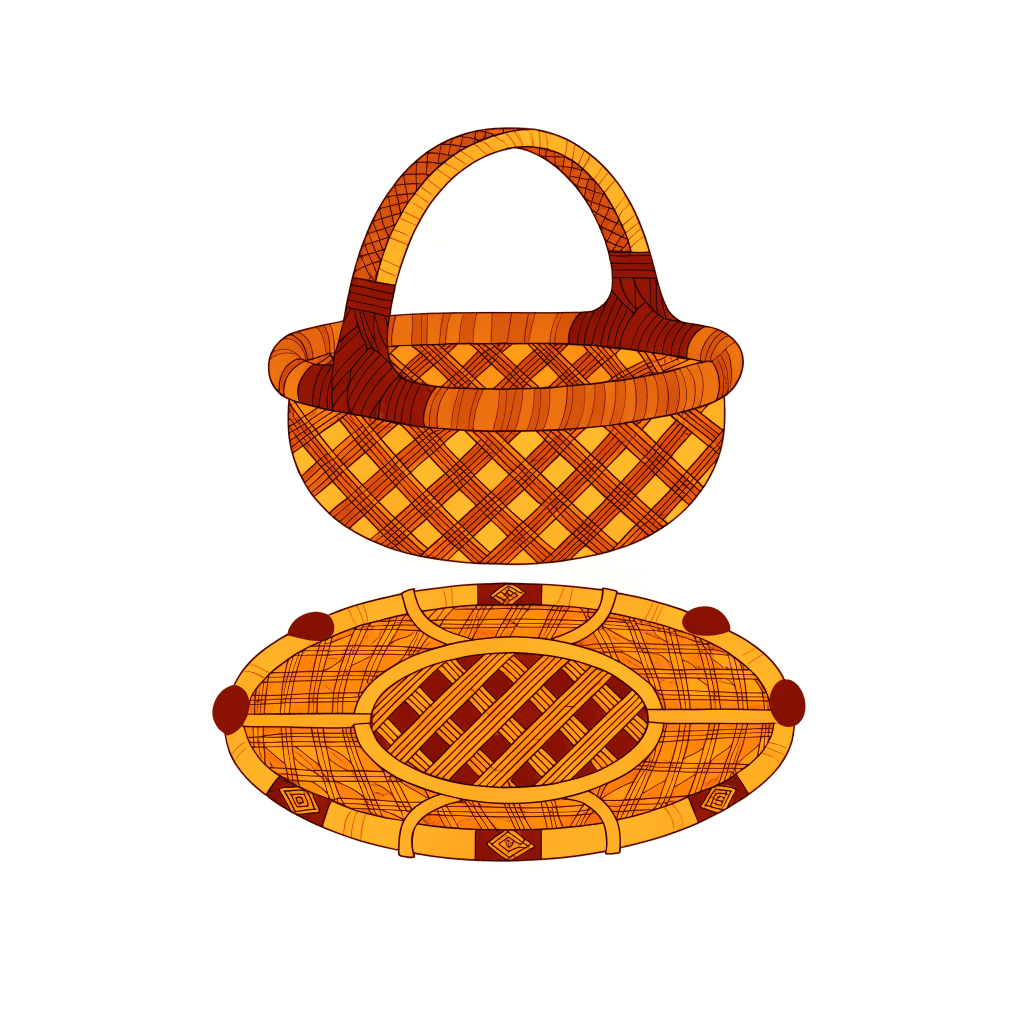
The story
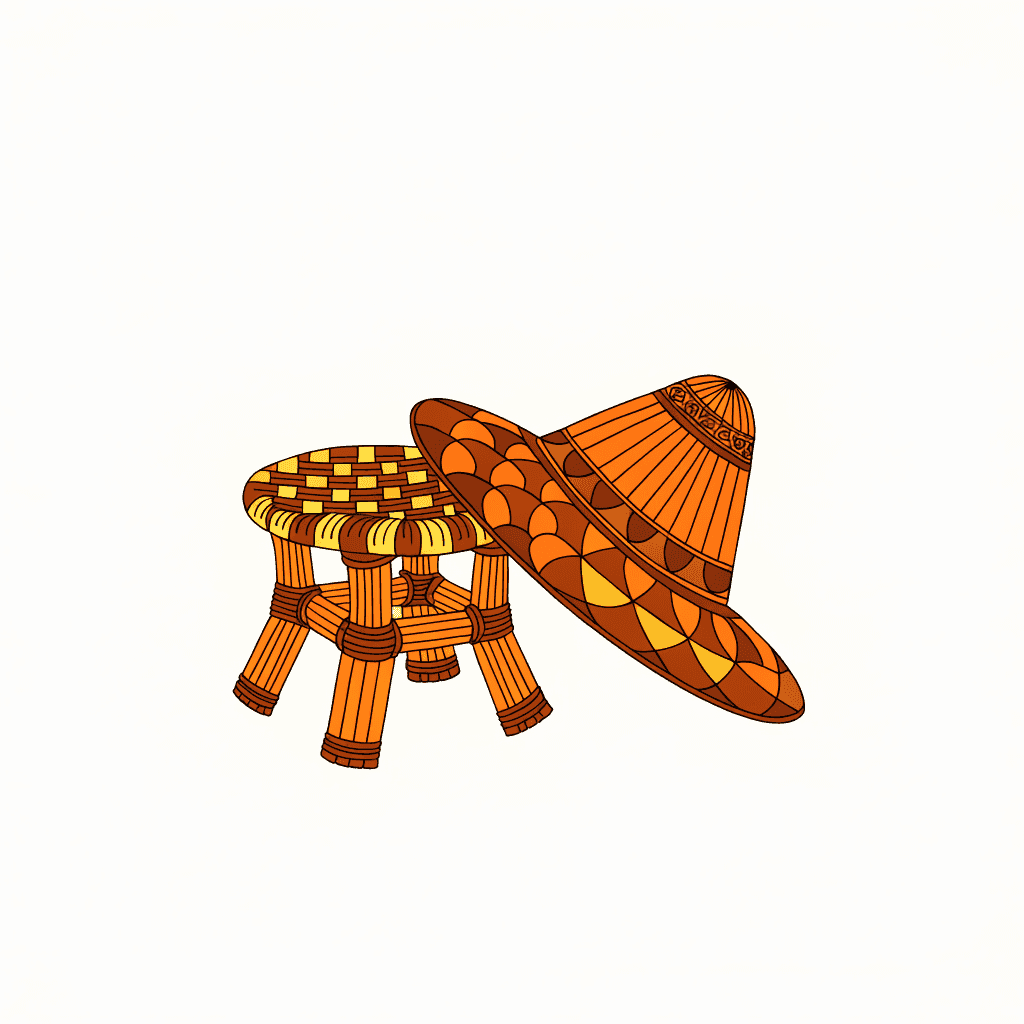
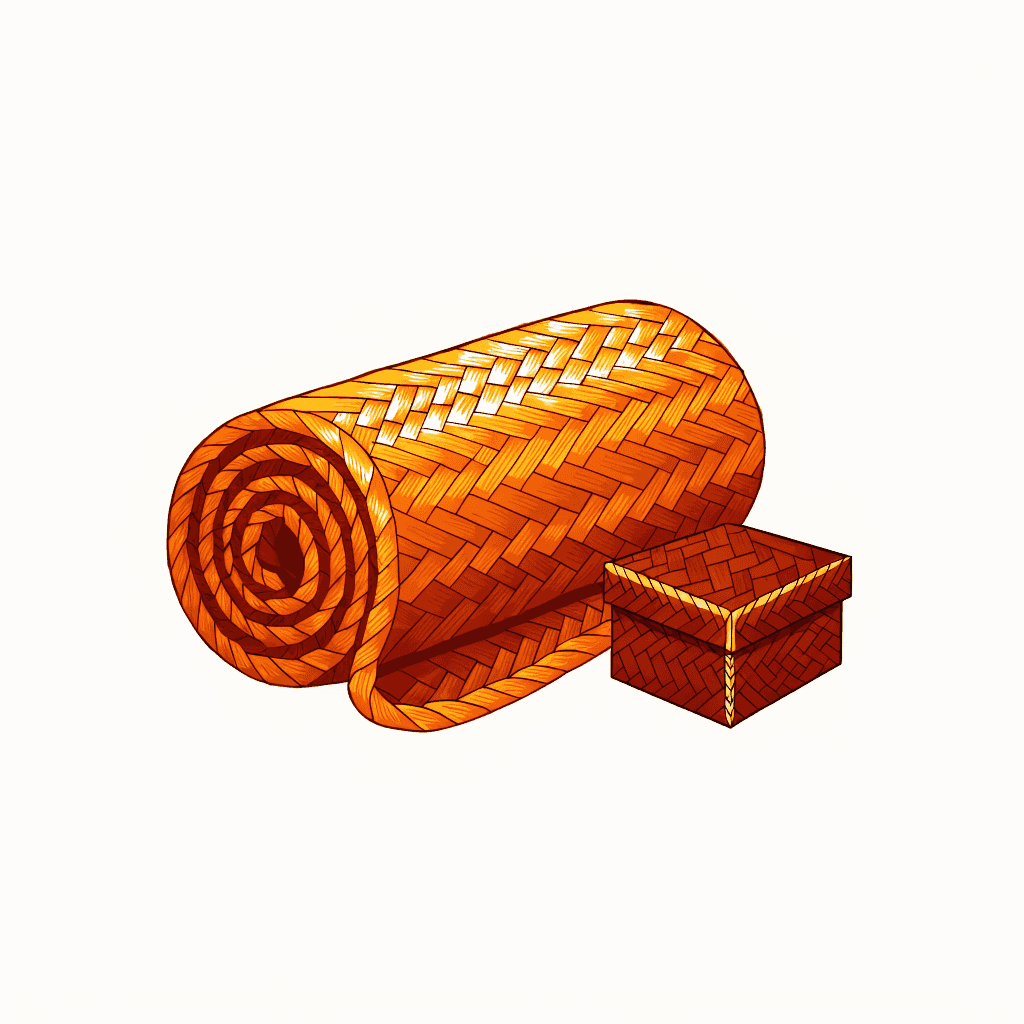
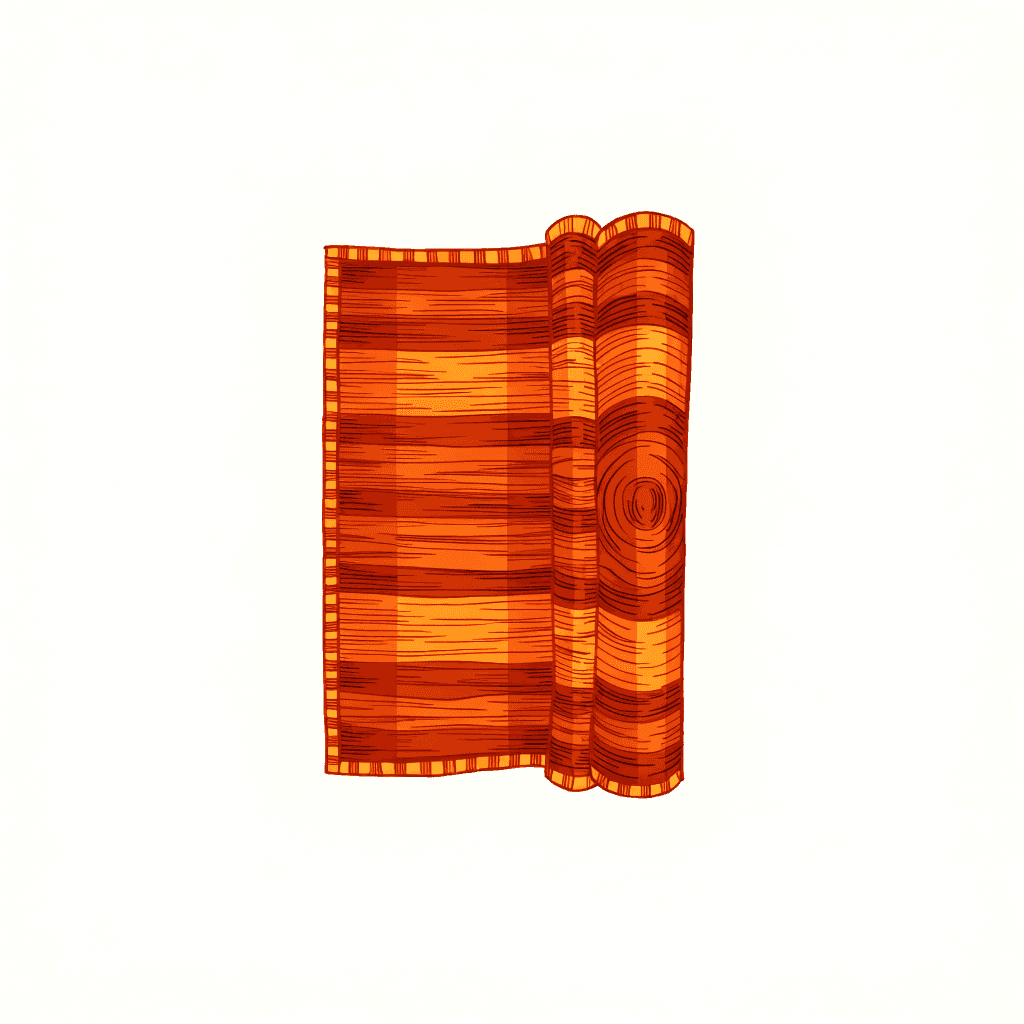
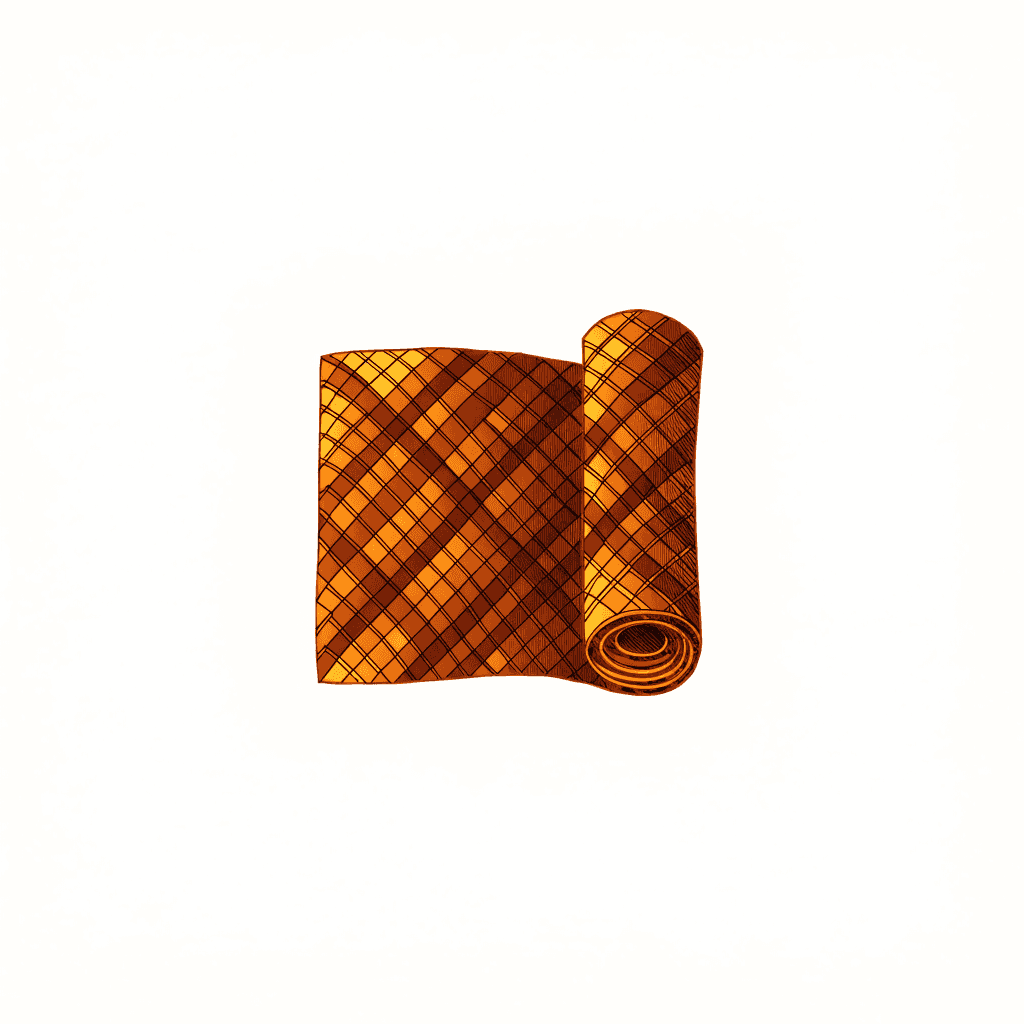
Among India's bamboo-working states, Tripura holds a particular reputation: not for scale, but for fineness. The small northeastern state is thick with bamboo — it grows in homestead groves and forest stands across its hills — and generations of Tripuri artisans have learnt to split a culm down into ribbons of near-thread thinness. That skill sets Tripura's work apart. Where much basketry is happily rustic, Tripura's mats, blinds and lampshades read almost as textile: even, tight, precise, with a clean geometry that modern designers recognise instantly. The tradition grew from domestic need — mats for sleeping and sitting, baskets for grain, screens for houses — worked by communities for whom bamboo was the default material of life. Over recent decades it has become one of the state's signature livelihoods, with craft clusters supplying furniture, room dividers, lamps and tableware to markets far beyond the northeast. The appeal travels well: bamboo is light, strong for its weight, fast-renewing and biodegradable, and Tripura's version adds a level of finish that lets it sit comfortably in a contemporary apartment. It is heritage craft that never needed a revival — only a wider audience.
How it is made
Everything depends on the split. The artisan selects straight, mature culms, cuts them into sections, and cleaves them lengthwise with a sharp blade, halving and halving again until the strips approach the fineness of coarse thread. The outer, silica-rich skin — the strongest part — is reserved for visible weaving surfaces. Slivers are sorted by width, sometimes dyed or smoked for tone, then woven in twill and check patterns for mats and lampshades, or bent and lashed over frames for furniture and screens. Cane supplies wrapping and structural bindings at the joints. Edges are locked with tight binding rather than glue, and pieces are finished with trimming and a protective treatment against insects.
Buying guide
Fineness of the slivers is the quality marker: hold a mat or lampshade to the light and look for even, hairline strips with regular weave and no gaps. On furniture, check the joints — good Tripura work binds every junction firmly in cane. Table mats and small decor typically cost ₹300–₹1,000; woven lamps and blinds run into the low thousands; furniture pieces reach ₹12,000–₹15,000. Confirm insect treatment before buying larger pieces.
Care
Keep bamboo out of persistent damp and strong sun alike — moisture invites mould, sunlight fades and embrittles. Dust lampshades and mats with a soft brush, and wipe furniture with a lightly damp cloth before drying it fully. Roll mats rather than folding them. If any powdery dust appears around a piece, treat for borers immediately.
Good questions, honest answers
What sets Tripura bamboo work apart from other basketry?
The fineness of the split. Tripura's artisans cleave bamboo into slivers approaching thread-thinness and weave them with textile-like regularity, producing mats, blinds and lampshades with a clean, precise geometry. Where much Indian basketry is charmingly rustic, Tripura's is exact — which is why contemporary designers keep turning to it for modern interiors.
Are woven bamboo lampshades safe with electric bulbs?
Yes, with modern low-heat bulbs. Use LEDs, which run cool, keep a few centimetres of clearance between bulb and weave, and avoid old high-wattage incandescents that heat the fixture. Dust the shade regularly so the fibres stay clean. Handled this way, a bamboo lampshade is no riskier than a fabric one.
How long will Tripura bamboo furniture last?
Kept dry, ventilated and out of harsh sun, well-made bamboo and cane furniture serves for a decade or more; fine mats and shades last many years. The failure points are moisture, borers and abused joints. Buy insect-treated pieces, watch for powdery borer dust, and have cane wrapping re-bound if a joint ever loosens.
Explore the living traditions
We are onboarding Tripura Bamboo & Cane artisans. Meanwhile, explore every craft available on VedikCraft today.
Explore all crafts →
At a glance
- Region
- Tripura
- Community
- Tripuri artisans
- Materials
- bamboo, cane
- Techniques
- fine splitting & weaving
- Typical price band
- ₹300 – ₹15,000