Textiles & Handloom
Eri Silk Ryndia — The Peace Silk of Meghalaya
Also known as Ahimsa silk, Endi
The story
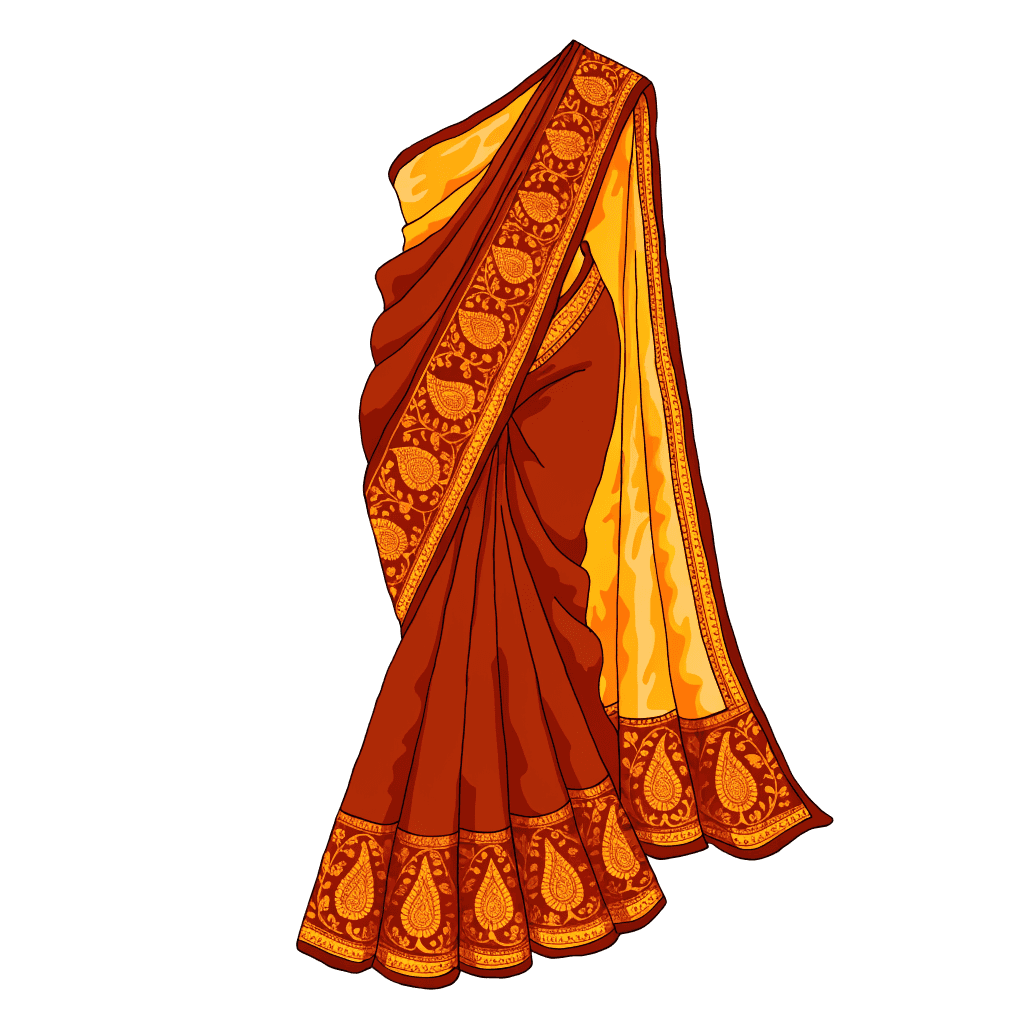
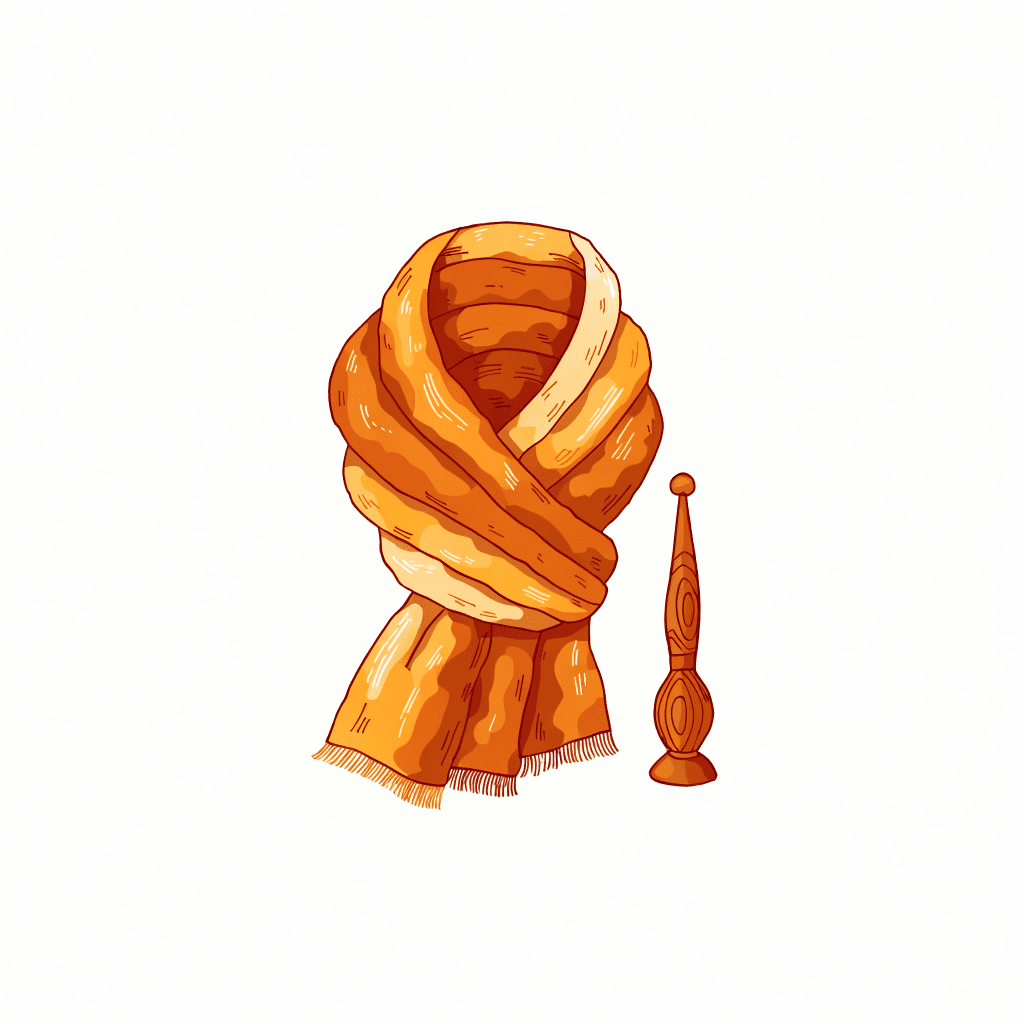
Most silk requires the silkworm to die inside its cocoon; eri silk waits for the moth to leave. The eri silkworm feeds on castor leaves — 'era' in Assamese, which gives the fibre its name — and spins an open-ended cocoon it can simply walk out of. Only then is the cocoon degummed and spun, which is why eri is called ahimsa or peace silk: the one silk made without killing. In the Ri Bhoi hills of Meghalaya, Khasi households have reared eri worms and spun their silk for generations, weaving it into the wrap known as Ryndia, traditionally worn as a stole and shawl at ceremonies. The cloth is nothing like the glossy silks of the plains: because eri is spun from short broken filaments rather than reeled in one continuous strand, it comes out matte, slubby and soft — closer to a fine, warm cotton than to satin. Dyed with lac, turmeric, onion skin and iron-rich mud, Ryndia wears the colours of its landscape: lac-reds, ochres, soft greys. Warm in winter and breathable in summer, it has quietly become one of India's most sought-after ethical textiles.
How it is made
Eri rearing is a household affair: worms are fed on castor leaves until they spin their cocoons, and once each moth has emerged, the empty cocoons are cleaned and degummed. Because the filament is broken, it cannot be reeled like mulberry silk — instead it is hand-spun, the fluffy mass drafted into yarn on a drop spindle or small spinning wheel, which gives eri its characterful slubs. The yarn is dyed in small batches with natural dyestuffs the region knows well: lac for reds and pinks, turmeric for yellows, onion skin for rusts, iron-rich mud for greys and blacks. Weaving follows on frame and loin looms, typically in plain grounds with fine stripes and bordered ends.
Buying guide
Expect to pay roughly ₹1,500 for a simple stole and up to ₹20,000 for large, densely woven, naturally dyed shawls. Real eri feels matte and warm, with tiny slubs from hand-spinning — a glassy sheen or perfectly even yarn suggests mill silk or blends. Natural dyes show gentle, slightly uneven depth rather than flat chemical brightness. Ask where it was spun: Ri Bhoi, Meghalaya is the Ryndia heartland, and GI-labelled pieces carry that assurance.
Care
Hand wash in cool water with a pH-neutral or silk-friendly detergent; eri is more forgiving than reeled silk but still dislikes agitation. Dry flat in shade — sunlight fades natural dyes. Iron on a low silk setting while slightly damp. Store breathing in cotton, never plastic, and air the shawl occasionally; eri softens and improves with gentle use.
Good questions, honest answers
Is eri silk really cruelty-free?
Yes, by design rather than marketing. The eri cocoon is open-ended, and the moth emerges naturally before the cocoon is processed — no boiling of live pupae, which is why eri is called ahimsa or peace silk. It is the reason many vegetarian and Buddhist communities have long favoured it, and why ethical-fashion buyers seek it out today.
Why doesn't my eri stole shine like regular silk?
Because it is spun, not reeled. Mulberry silk is unwound as one continuous lustrous filament; the eri moth breaks its cocoon on exit, so the fibre must be hand-spun like cotton or wool. The result is a matte, textured, thermal cloth — warm in winter, cool in summer — prized precisely for that quiet, un-shiny character.
What do the colours in Ryndia come from?
Traditional Ryndia is dyed with what the Meghalaya hills provide: lac insects for reds and deep pinks, turmeric for yellow, onion skins for rust, and iron-rich mud for greys and near-blacks. These natural dyes age gracefully, mellowing rather than fading harshly — small variations in tone are a mark of authenticity, not a flaw.
Explore the living traditions
We are onboarding Eri Silk (Ryndia) artisans. Meanwhile, explore every craft available on VedikCraft today.
Explore all crafts →
At a glance
- Regions
- Meghalaya · Assam
- Community
- Khasi weavers (Ri Bhoi)
- Materials
- eri silk (peace silk)
- Techniques
- hand-spinning, natural-dye weaving
- Typical price band
- ₹1,500 – ₹20,000