Lacquered vs Raw Brass: Which to Buy and How to Care for Each
Lacquered brass keeps its shine with a dry cloth; raw brass darkens and can be re-polished. How to tell them apart and which suits idols and diyas.
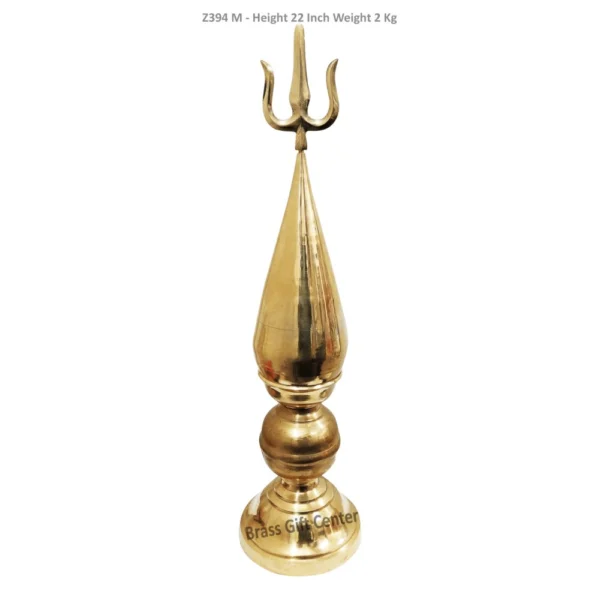
Lacquered brass is polished brass with a clear coat on top, so it keeps its shine and needs only a dry cloth. Raw brass has no coat, so it darkens with air and touch and can be polished back as often as you like. Which one to buy depends on what the piece will meet: hands only, or flame, water and food.
The one-line difference
Lacquer is a clear coating over polished brass that keeps air off the metal. With it, the brass stays as it left the polisher. Without it, the copper in the brass reacts with air, moisture and skin oils and the surface slowly turns brown. Neither is better metal. The brass underneath is the same.
A note on listing words. “Polished” describes the surface, not the coat. Most pieces in our catalogue are polished (4,114 of them), with smaller numbers in stone and colour work, antique, black, and gold or silver finish. A polished piece may or may not be lacquered, so check with the test below.
How to tell which one you have
- Water drop. On lacquered brass a drop beads and sits. On raw brass it spreads a little.
- Look. Lacquer gives an even, glassy shine. Raw brass has a softer glow and darkens first in corners and where fingers touch.
- Time. Lacquered brass does not change colour over months. Raw brass dulls within weeks.
- Patches. Bright areas next to dark ones mean lacquer that has worn through in places.
Table: idol, diya, lota, cookware, decor and which finish suits each
| Item | What it meets | Finish that suits | Why |
|---|---|---|---|
| Mandir idol, wiped only | Hands, incense smoke | Lacquered | Low upkeep; stays bright |
| Idol with daily abhishek | Water, milk, curd, honey | Raw | Regular washing wears lacquer; raw brass can be cleaned freely |
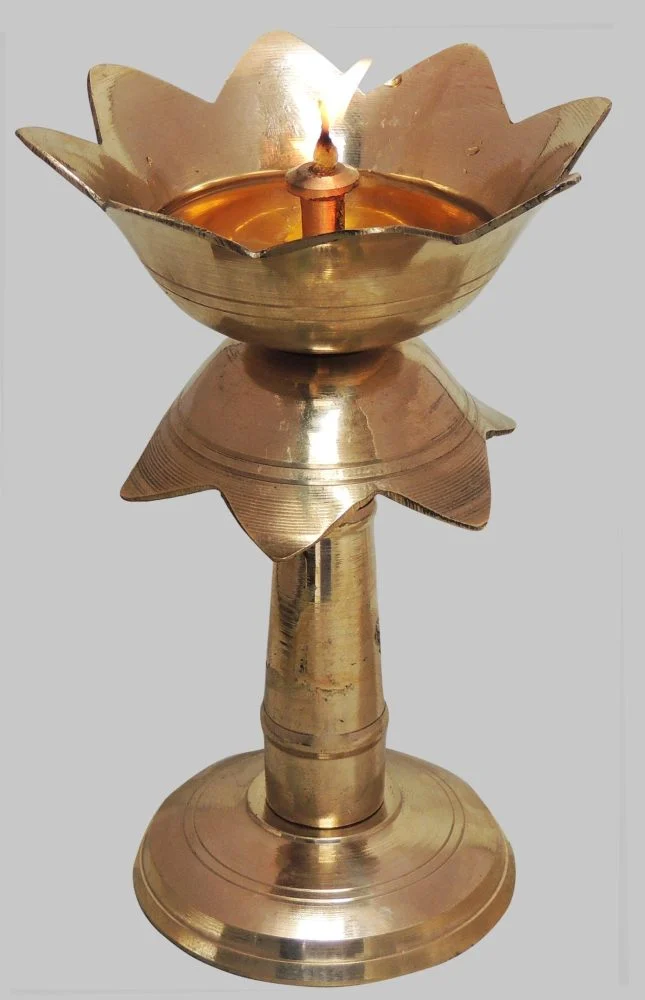
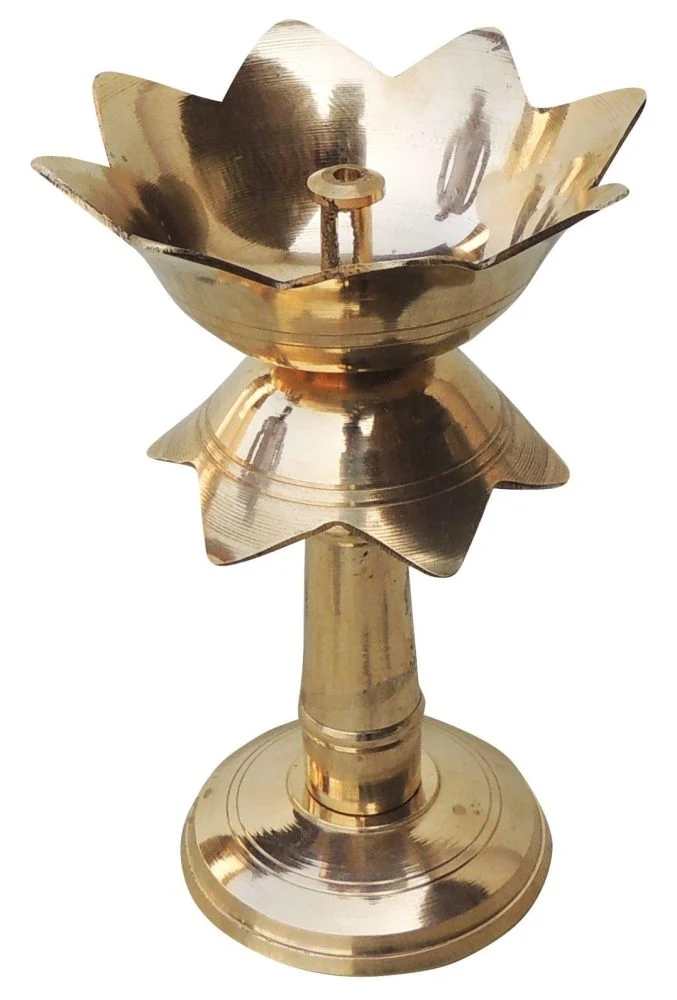
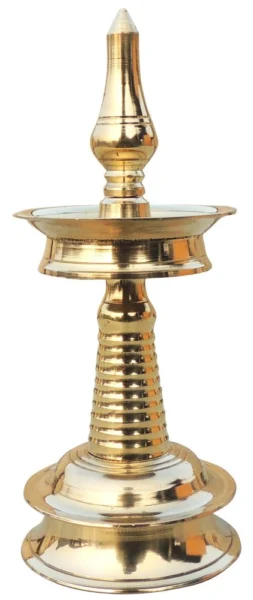
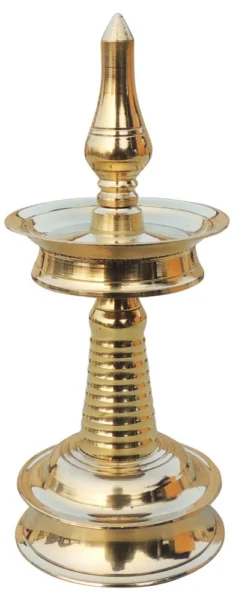
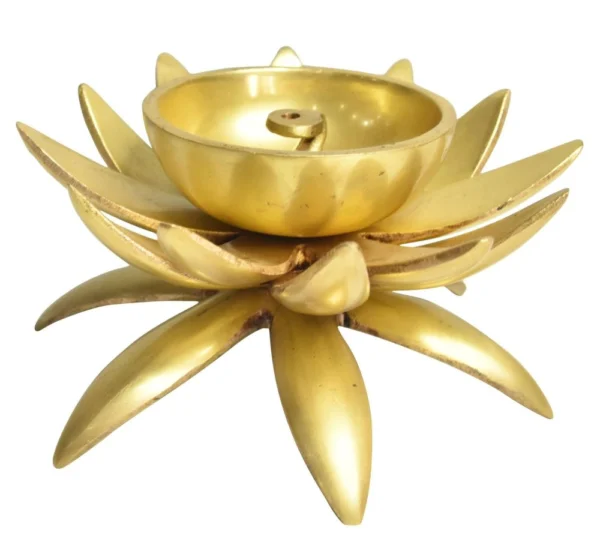
| Diya | Flame, oil, ghee | Raw in the cup | Lacquer is not for surfaces that take flame |
| Lota, glass, kalash | Water | Raw inside | Easy to scrub clean; nothing to wear off |
| Cookware | Heat, food | Raw outside, tin lined (kalai) inside | Lacquer is not for food surfaces |
| Decor, wall pieces, showpieces | Air, dust | Lacquered | No polishing needed |
See idols and diyas for how this plays out across the range. For cooking vessels, read kalai explained.
Caring for lacquered brass
Wipe it with a soft dry cloth. Use a soft dry brush for carving. That is all it needs.
- No lemon, tamarind, vinegar or Pitambari. Acid clouds the coat.
- No brass polish. Polish is abrasive and cuts through the lacquer.
- No scourers or steel wool.
- Keep it away from heat and standing water.
Caring for raw brass
Raw brass asks for more work and forgives more. Clean it with lemon and salt, tamarind pulp or Pitambari. Rinse fully and dry at once, because brass left wet turns green. A thin rub of coconut or mustard oil afterwards slows the next tarnish. The step by step method, by item, is in how to clean brass before Diwali and in Hindi in पीतल के बर्तन कैसे साफ करें.
Some owners like the darker tone raw brass takes on and leave it alone. That is a choice, not neglect. Brown tarnish does not weaken the metal. Why the colour changes is covered in why brass turns black or green.
When lacquer wears: patchy tarnish and what to do
Lacquer does not last forever. How long it holds depends on handling and humidity. A piece that is washed, rubbed or kept in a damp room loses its coat sooner than one on a dry shelf. The sign is patchy tarnish: dark spots or streaks where the coat has gone, bright metal where it remains.
You have two options at that point.
- Have it stripped and re-polished. A brass polisher can remove the old lacquer, polish the piece and, if you want, coat it again.
- Treat it as raw brass from now on. Once the coat is fully off, clean it with lemon and salt or tamarind like any raw piece.
What does not work is cleaning a half-lacquered piece with acid and expecting an even result. The bare patches brighten and the coated areas cloud.