Brass Tortoise Vastu: Which Direction, Where to Keep, Which Size
Where to keep a brass tortoise by vastu: north, head facing into the room, in a plate of water or dry. Home, office and pooja room placement and sizes.
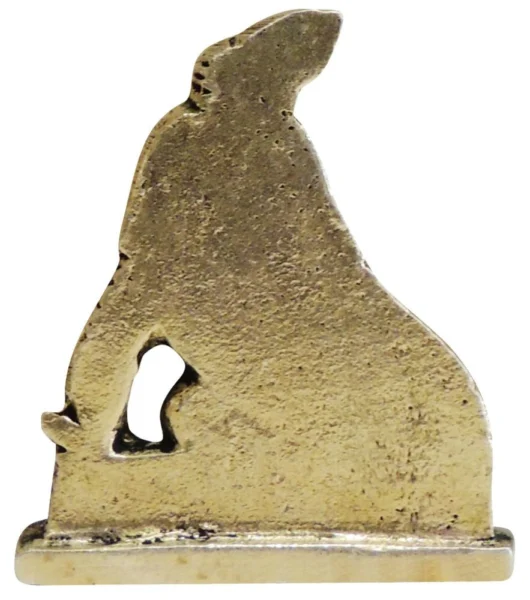
Vastu practice places a brass tortoise in the north of the room or house, with its head pointing into the room, not towards the door. North-west is the accepted second choice.
One thing first. Vastu and feng shui placements are tradition. They differ between schools and between families, and nobody can promise a result from where a showpiece sits. Treat this as guidance on a custom, and use the practical half as plain household sense.
The short answer: north, facing in
| Spot | Where tradition places it | Which way the head points |
|---|---|---|
| Living room | North wall, on a shelf or side table | Into the room |
| Entrance | Just inside the main door, to one side | Into the house |
| Pooja room | Beside the idols, lower than them | Towards the idols or into the room |
| Office desk | North side of the desk | Towards your seat |
| Shop | North side, near the counter | Into the shop |
To find north, use the compass on your phone while standing in the middle of the room.
Why the tortoise: Kurma avatar and what it stands for
In the Puranas, Vishnu takes the form of a tortoise, Kurma, and holds Mount Mandara on his back while the ocean is churned. The tortoise came to stand for steadiness, patience and a long life. Feng shui has its own tortoise, a guardian of the north linked with the water element.
At home: living room, entrance, pooja room
Living room. The north wall is the usual pick. Keep the tortoise on a shelf or table at or below eye level, where it is seen and can be dusted.
Entrance. Many families keep one just inside the main door, on a console, with the head turned into the house. Custom reads a tortoise walking out of the door as the wrong way round.
Pooja room. A tortoise is welcome in the mandir because of the Kurma link. Place it to the side of the idols and lower than them, never above.
In the office or shop
By vastu custom the tortoise sits on the north side of the desk, or on a shelf behind the seat, which tradition reads as support at your back. In a shop it goes near the counter on the north side, facing in. Pick a spot where it will not be knocked by files, bags or the cash drawer.
In water or dry: the plate of water custom
Many people keep the tortoise in a small brass or glass plate with a little clean water. Dry placement is equally accepted, and is the easier choice for an office desk.
If you use water, the practical rules matter more than the direction:
- Change the water every day. Standing water goes stale and can breed mosquitoes within days.
- Use only enough water to touch the feet. The piece does not need to be submerged.
- Once a week, lift the tortoise out, wipe it and the plate dry, and start again.
- Lacquered brass can lose its coat with constant soaking. If the shine matters to you, keep it dry, or expect a duller, older look over time.
Size and metal
Our tortoise range has 22 pieces from 0.5 to 3 inch, starting at ₹110. Fifteen are brass and seven are aluminium. A 1 inch brass tortoise weighs between about 80 g and 180 g depending on the casting, so check the weight on the listing.
- 0.5 to 1 inch: desk, car, mandir shelf, or a plate of water.
- 2 to 3 inch: side table, entrance console, shop counter.
Brass is heavier and stays put. Aluminium is lighter and costs less, so it suits bulk gifting. Small tortoises and tortoise diyas are common picks in bulk return gifts, and a tortoise is a familiar choice among housewarming gifts. Many families also buy one on Dhanteras; see what to buy on Dhanteras.
Common mistakes: bathroom, kitchen, facing the door out
- Vastu practice avoids the bathroom and the kitchen for a tortoise. Steam and grease also dull brass quickly.
- Head pointing out of the main door. Turn it to face in.
- On the floor, where feet touch it. Use a shelf or table.
- Stale or cloudy water in the plate.
- Lemon or brass powder on a lacquered piece. Wipe with a dry cloth instead. Our guide on how to clean brass explains which pieces can take acid.