How to Clean a Brass Idol at Home Without Damaging the Face
How to clean a brass idol at home: check if it is lacquered, then use lemon and salt, tamarind or pitambari on raw brass and a soft brush on carvings.
To clean a brass idol at home, first find out whether it is lacquered. A lacquered idol is only wiped with a soft dry cloth; a raw brass idol is cleaned with tamarind pulp or lemon and salt, rinsed and dried at once. The face and the carved parts get a soft toothbrush and nothing harder. Everything below follows from that first check.
First, check the finish: lacquered, raw, antique or painted
Look at the idol in daylight before you reach for a lemon. Four finishes are common, and each one is treated differently.
| Finish | How it looks | How to clean |
|---|---|---|
| Lacquered | Glassy, even shine; water beads on it; stays bright for months | Soft dry cloth only |
| Raw brass | Dulls within weeks; darkens in folds and corners | Tamarind, lemon and salt, or Pitambari |
| Antique or black | Deliberately dark, with brighter high points | Dust and wipe; never scrub |
| Stone or colour work | Painted areas, set stones, enamel | Dry brush and cloth; no water on the colour |
One more check: the metal itself. Not every idol sold as a mandir piece is brass. Of the 1,764 idols in our catalogue, 1,490 are pure brass and 265 are aluminium. An aluminium idol is far lighter in the hand. Do not use lemon, tamarind or brass polish on aluminium. Wipe it with a dry or barely damp cloth. If you are unsure of the metal, see how to identify pure brass.
Lacquered idols: dry cloth only
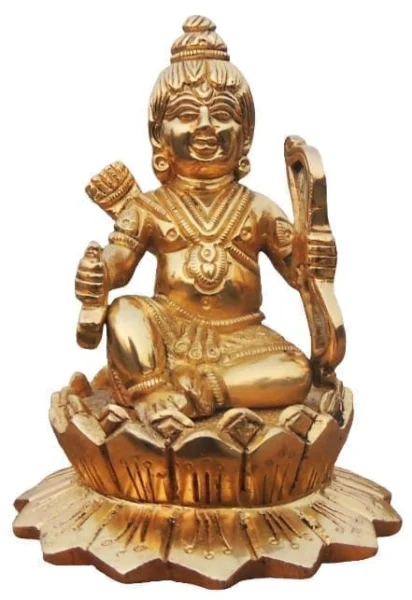
Lacquer is a clear coat over polished brass. It keeps air off the metal, so the idol does not need polishing. Acid clouds that coat. Use a soft dry cloth for the body and a soft dry brush for the crevices. More on the two finishes in lacquered vs raw brass.
Raw brass: lemon and salt, tamarind, or pitambari, step by step
- Dust first. Brush off dry kumkum, ash and dust so grit is not rubbed into the metal.
- Choose the cleaner. Tamarind pulp for any idol with fine carving. Lemon dipped in salt for plain, smooth surfaces such as the base and the back. Pitambari for plain raw brass when you want a quick all-over shine.
- Rub gently. Use your fingers or a soft cloth. Work in small circles. Let the acid do the work, not pressure.
- Rinse at once. Do not leave the paste sitting on the idol.
- Dry completely. Cloth first, then air.
Carvings and faces: soft toothbrush, never steel wool
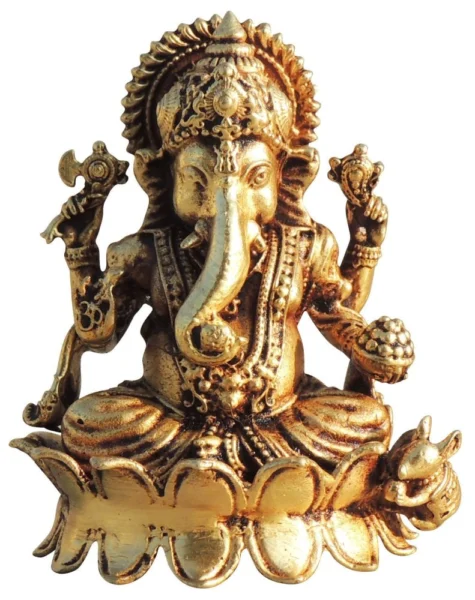
The eyes, the crown, the fingers and the ornaments hold the most tarnish and the most detail. Load a soft old toothbrush with tamarind pulp and work it into the grooves with light strokes. Never use steel wool, a wire brush or a green scourer on an idol. The scratches they leave on a face do not polish out at home.
Idols with stone or colour work, and antique finish
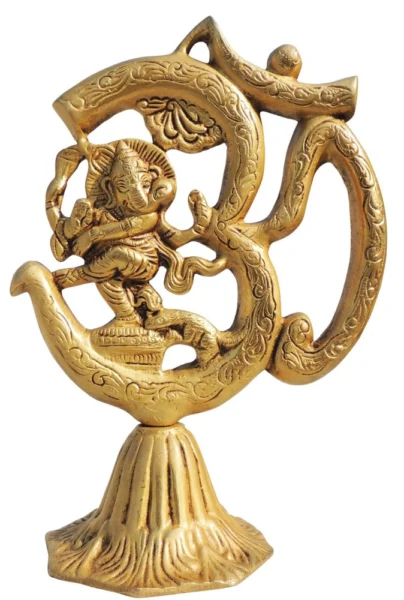
Coloured, antique and black finishes must not be scrubbed. The colour sits on the surface, and the dark tone of an antique piece is the finish itself. Acid or powder takes both off. Dust these idols with a dry brush and wipe the plain metal areas with a soft cloth.
Rinse, dry and a light coat of oil
Rinse a small idol in a bowl of clean water, not under a running tap, so loose parts such as a chhatra or a weapon are not lost. Dry with a cloth straight away, then leave it in the air until the grooves are dry too. Brass left wet after lemon goes green. Finish raw brass with a drop of coconut or mustard oil on a cloth, rubbed thin. It slows the next round of tarnish.
How often to clean and how to slow tarnish
Wipe the idol with a dry cloth weekly. Do a full clean before festivals or when it has visibly darkened. Between cleans, keep the idol dry after abhishek, keep incense and diya smoke from blowing straight onto it, and handle it with clean, dry hands. For the full festival routine covering diyas and utensils as well, see how to clean brass before Diwali, or the Hindi guide पीतल के बर्तन और मूर्ति कैसे साफ करें. Browse brass idols or the Lakshmi Ganesh pairs for Diwali; each listing states the metal and the finish.