What Is an Urli Bowl? Meaning, Sizes and How to Decorate It
An urli is a wide, shallow Kerala vessel now used to float flowers and candles. Sizes by spot, how to decorate it, and daily water and brass care.
An urli is a wide, shallow, round bowl from South India, first made as a cooking vessel in Kerala and now used mostly as a decor bowl. You fill it with water and float flowers, petals or candles in it. It sits at an entrance, on a centre table or near the pooja space.
Urli meaning and where it comes from
The word comes from Kerala and Tamil Nadu, where the vessel is also written as uruli. The traditional urli is a heavy cast vessel of bell metal or brass, with a broad mouth and low sides. That shape spreads heat evenly, so it was used for cooking payasam, for slow stirring, and for preparing ayurvedic medicines.
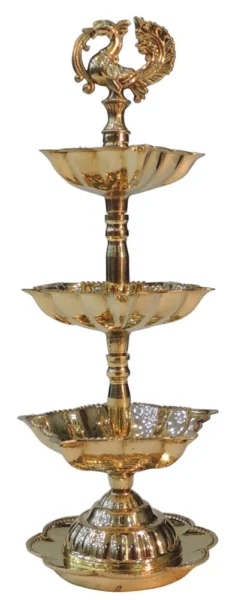
The same shape holds a wide sheet of still water. That is why it moved from the kitchen to the front door. Today most urlis sold are made for decor. They come plain, engraved, on legs, or on stands with figures of peacocks, elephants or deities.
What an urli is used for
- Floating flowers. The most common use. Marigold heads, rose petals, lotus or jasmine on water.
- Floating candles and diyas. For evenings, festivals and weddings.
- A welcome piece at the door. Fresh flowers in water at the entrance is a long standing custom in many South Indian homes.
- A centrepiece. On a dining or coffee table, with or without water.
- A dry bowl. For potpourri, fruit, keys or sweets, when you do not want water indoors.
You will see claims that an urli brings luck or changes the energy of a house. Those are beliefs, and they differ from family to family. What an urli does for certain is make a doorway or table look cared for.
Which size for which place
| Where it sits | Width to look for | Notes |
|---|---|---|
| Pooja shelf or side table | 6 to 8 inch | Holds a few flower heads and one floating diya |
| Coffee or centre table | 10 to 13 inch | Leave a hand’s width of table clear all round |
| Dining table | 12 to 14 inch, low sides | Keep it low so people can see across the table |
| Entrance or foyer floor | 16 inch and above, often on a stand | Heavy. Decide the spot before you fill it. |
All 51 pieces in our urli category are pure brass, from ₹485. For larger floor pieces and matching pots, see urlis, planters and vases.
How to decorate a brass urli with flowers
- Place it first, then fill it. A full urli is heavy and spills when carried.
- Fill to two thirds. Leave a clear rim so water does not slop over when someone walks past.
- Use flower heads, not stems. Cut the stem right under the head so the flower floats flat.
- Start from the rim. Make a ring of marigolds at the edge, then a ring of a second colour inside it. Leave open water in the middle.
- Add petals last. Scatter rose petals in the gaps. Two or three colours look better than six.
Using an urli bowl for candles
Use candles sold as floating candles. Ordinary tea lights in metal cups tip over and sink. Space them so the flames do not touch petals or each other. Three candles in a 10 inch bowl is enough. Keep the urli away from curtains and out of a draught, and put the flames out before you leave the room. A floating brass diya can sit in the centre instead. Our brass diya sets include small diyas that suit this.
Water change and cleaning
- Change the water every day. Standing water with petals turns cloudy and smells within two days. In warm months it can also breed mosquitoes.
- Dry it at once. Tip the water out, wipe the bowl and leave no drops. Water left to dry on brass leaves a ring.
- Lacquered brass. Wipe with a soft cloth. Do not use lemon, tamarind or brass powder.
- Raw brass. Lemon and salt lifts the water line. Rinse and dry straight after.
- Remove wax carefully. Pour warm water in to soften spilled wax, then lift it with a fingernail. Never scrape with a knife.
The full cleaning method is in our guide on how to clean brass at home.