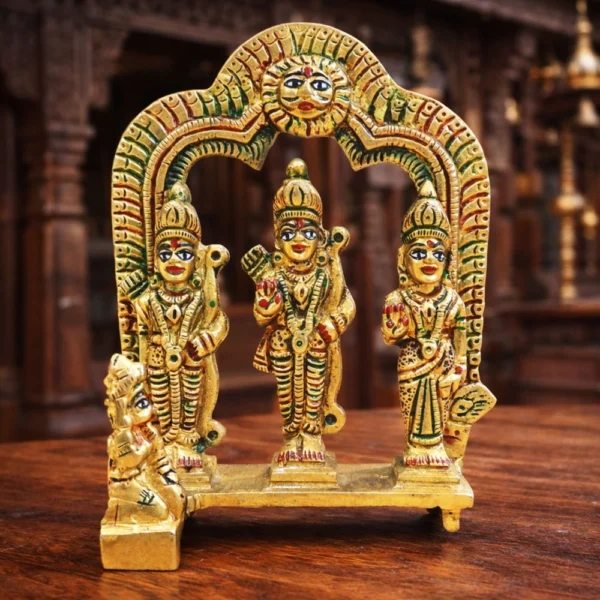
Brass vs Bronze vs Panchdhatu: What Each Is and Which to Buy
Brass is copper and zinc, bronze is copper and tin, panchdhatu is a five-metal alloy. How they differ in colour, weight, sound, price and use for idols.
Brass is copper with zinc, bronze is copper with tin, and panchdhatu is a traditional five-metal alloy whose recipe varies by workshop. Brass is yellow and the most affordable of the three; bronze is redder and rings longer; panchdhatu is mostly a matter of tradition and of trusting the maker. The table below sets them side by side.
The three in one table: metals, colour, sound, price
| Brass (pital) | Bronze (kansa, bell metal) | Panchdhatu (panchaloha) | |
|---|---|---|---|
| Metals | Copper and zinc | Copper and tin | Five metals by tradition; mix varies |
| Colour | Yellow gold | Redder brown, darker gold | Varies with the mix, often like bronze or brass |
| Sound when tapped | Clear, shorter ring | Long, sustained ring | Varies |
| Price for the same size | Lowest of the three | Higher | Higher |
| Common uses | Idols, diyas, lotas, thalis, decor | Bells, thalis, dinnerware | Temple and ritual idols |
Brass (pital): what it is and where it is used
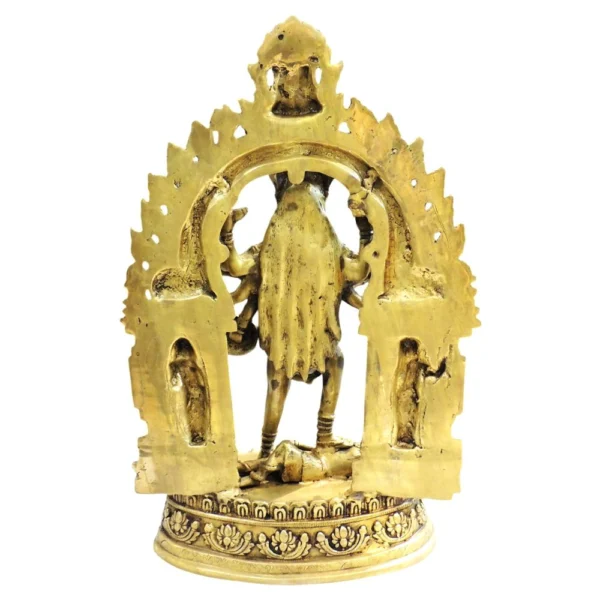
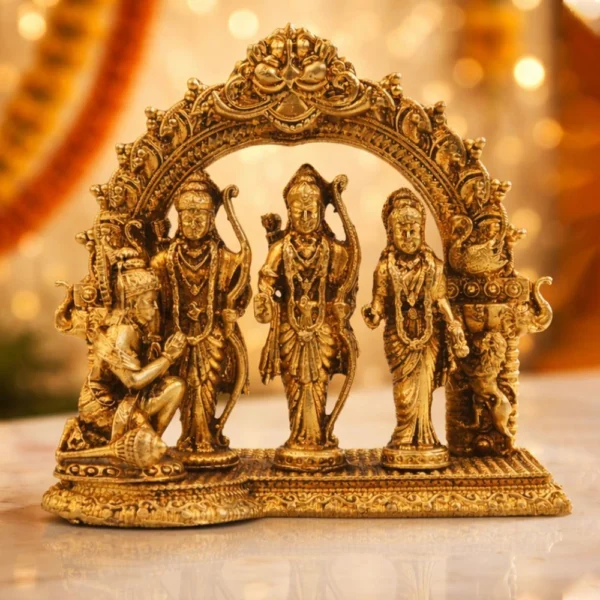
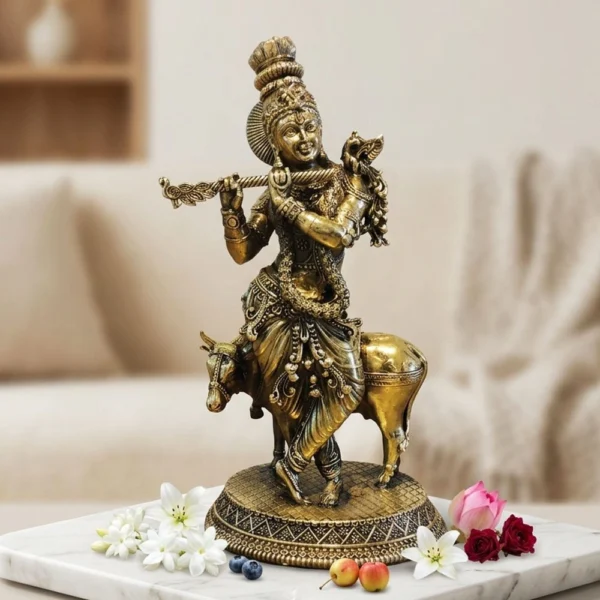
Brass is an alloy of copper and zinc. More zinc gives a paler yellow, more copper a warmer one. It melts and pours well, takes fine detail in a sand mould, and polishes to a bright gold colour. That is why most idols, lamps and puja vessels in North India are brass, and why it is the main metal of Moradabad.
In our catalogue, 3,302 products are pure brass. The rest include 581 in aluminium, 129 in copper and 24 in bronze. See the idols range, or Lakshmi Ganesh pairs for the commonest brass idol purchase of the year.
Bronze (kansa): bells and thalis
Bronze is copper and tin. Kansa is a bronze with a high share of tin, also called bell metal. It is harder than brass, redder brown in colour, and rings longer when struck. That ring is the reason bells and gongs are made of it.
Kansa is also the traditional metal for eating thalis, bowls and glasses. The bronze pieces we list are mostly bells and dinnerware, not idols. See bells and the kansa thali collection.
Panchdhatu and ashtadhatu: tradition versus what is sold
Panchdhatu, called panchaloha in the south, means five metals. Ashtadhatu means eight. Tradition lists gold and silver among them along with copper and other base metals. The recipe has never been one fixed formula. It varies by region and by workshop.
Most pieces sold as panchdhatu today are mainly copper alloys, close to bronze or brass, with the other metals present in small amounts if at all. There is no way to confirm the mix by looking. So treat the word as a statement of tradition and craft, and judge the piece by the maker, the weight and the finish, not by the label alone.
How to tell them apart at home
- Colour. Clean a small hidden spot. Brass is bright yellow. Bronze is redder and browner.
- Sound. Hang or balance the piece and tap it with a wooden spoon. Bronze sustains a long ring. Brass rings clearly and fades sooner. Thick, hollow or solid shapes change the sound, so this works best on thalis and bells.
- Weight. Brass and bronze are both heavy and close in density, so weight will not separate them. It will separate both from aluminium, which is about a third as heavy.
- Magnet. None of the three is magnetic. A magnet that sticks means iron under a coating.
These checks cannot tell you an alloy’s recipe, and they cannot confirm panchdhatu. For the full set of home checks, see how to identify pure brass.
Which to buy for an idol, a bell, a thali
- A home idol: brass. It is the common, affordable choice and takes detail well. Bronze and panchdhatu cost more for the same size.
- A bell: bronze if the sustained ring matters to you. A brass bell is lighter on the pocket and rings clear and bright.
- An eating thali: kansa is the traditional choice. A brass thali suits puja and serving.
- A puja thali, diya or lota: brass.
Whatever you choose, all three tarnish in air because all three contain copper. Cleaning is the same in principle; the Hindi guide पीतल के बर्तन और मूर्ति कैसे साफ करें covers the method.