Copper and Brass Water Bottles: Benefits, Limits and Safe Use
What a copper or brass water bottle really does: the tradition, what studies have and have not shown, how long to store water, and what never to put in one.
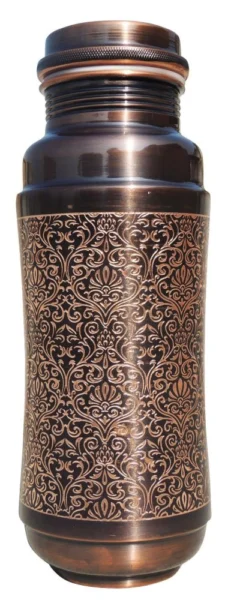
Storing drinking water in a copper vessel is an old Indian practice called tamra jal. What is established is modest: water kept in copper for several hours picks up a small amount of copper, and laboratory studies have found that this reduces some bacteria in the water. The larger health claims you will read elsewhere are tradition, not proven medicine. This guide separates the two and explains safe use.
What is tradition and what is tested
| Claim | Where it stands |
|---|---|
| Water stored in copper overnight is good to drink in the morning | Long-standing Ayurvedic practice |
| Copper reduces bacteria in stored water | Shown in laboratory studies after about 16 hours of storage |
| Copper water cures or prevents disease, helps weight loss, slows ageing | Not established by medical evidence |
| Copper is an essential nutrient | True, in small amounts, and a normal diet already supplies it |
We sell these bottles for the craft and the custom. We do not claim they treat anything, and a copper bottle is not a substitute for clean water or for a doctor.
Safe use
- Plain water only, at room temperature. No lemon water, juice, milk, buttermilk, tea or anything hot or sour. Acid pulls far more copper into the liquid.
- Store for six to eight hours, or overnight. There is no gain in keeping the same water for days.
- A glass or two a day is the usual practice. It does not need to be your only drinking water.
- Clean the inside regularly and never drink from a vessel with green spots. See how to clean a copper bottle.
- Too much copper is harmful. The World Health Organization’s guideline for drinking water is 2 mg of copper per litre. A metallic taste, nausea or stomach upset is a sign to stop. People with Wilson’s disease or liver conditions, and parents of infants, should ask a doctor first.
Copper or brass?
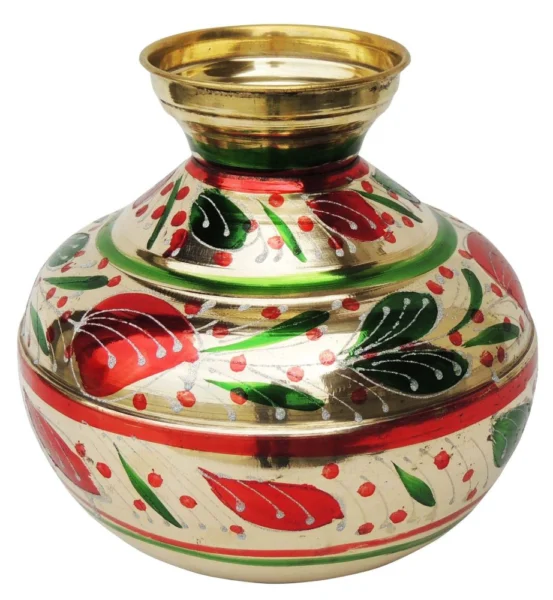
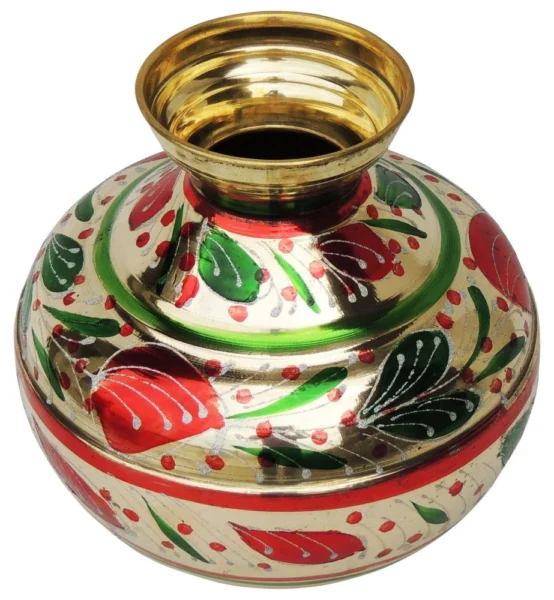
Brass is copper mixed with zinc. A brass bottle or jug is heavier and harder than copper and holds its shape better, and it is traditional for serving water. The same rules apply: plain water only, clean it often. For food and anything sour, brass needs a tin lining; that is covered in is brass safe for cooking.
What to look for when buying
- Weight. A one-litre copper bottle of honest thickness weighs roughly 250 to 350 g. Much lighter means thin sheet that dents.
- Seam and cap. A jointless body and a cap that seals without a rubber smell.
- Inside surface. Bare copper inside, with no paint or lacquer. Lacquer belongs on the outside only.
- Metal named on the listing. Each of our pieces states its metal and weight.