Moradabad Brass: The Story of Pital Nagri and Its GI Tag
Why Moradabad in Uttar Pradesh is called Pital Nagri: how the brass craft grew, the casting and engraving trades, what the GI tag means, how to buy well.
Moradabad, in western Uttar Pradesh, is called Pital Nagri, the Brass City, because brassware has been its main craft and trade for generations. Its workshops cast, engrave and polish idols, lamps, vessels and decor, and the craft is protected in India under a Geographical Indication as Moradabad Metal Craft. This guide covers what the city makes, how the work is divided, what the GI tag means, and how to buy well.
Where Moradabad is and what it makes
Moradabad stands on the Ramganga river in western Uttar Pradesh, east of Delhi. Pital means brass, and the nickname is used on signboards, in newspapers and by the people who work there.
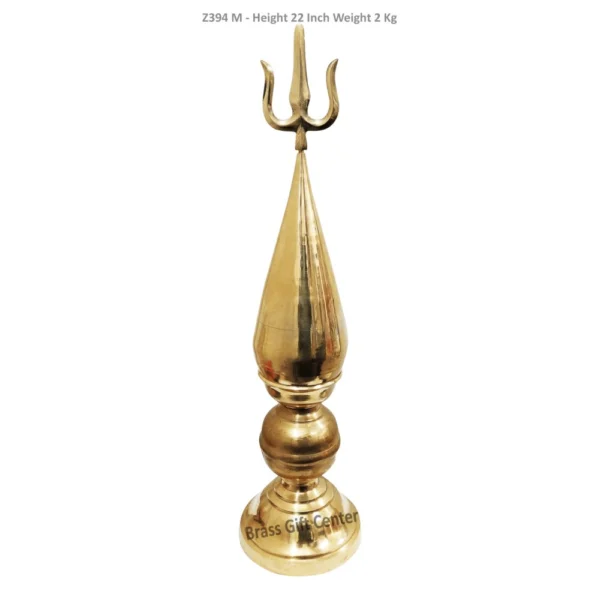
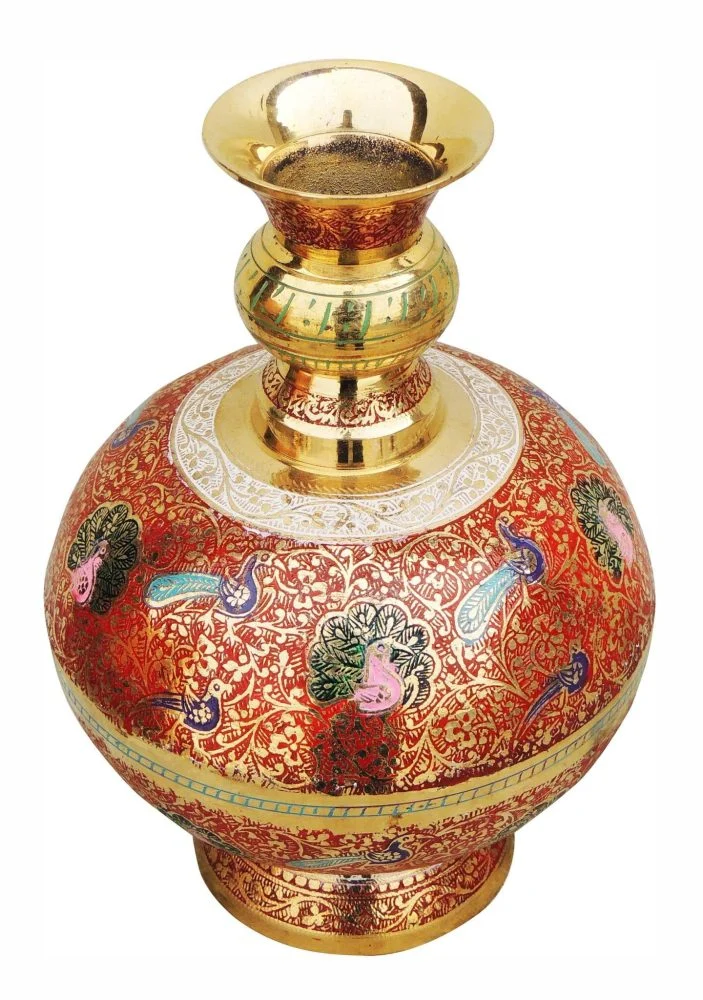
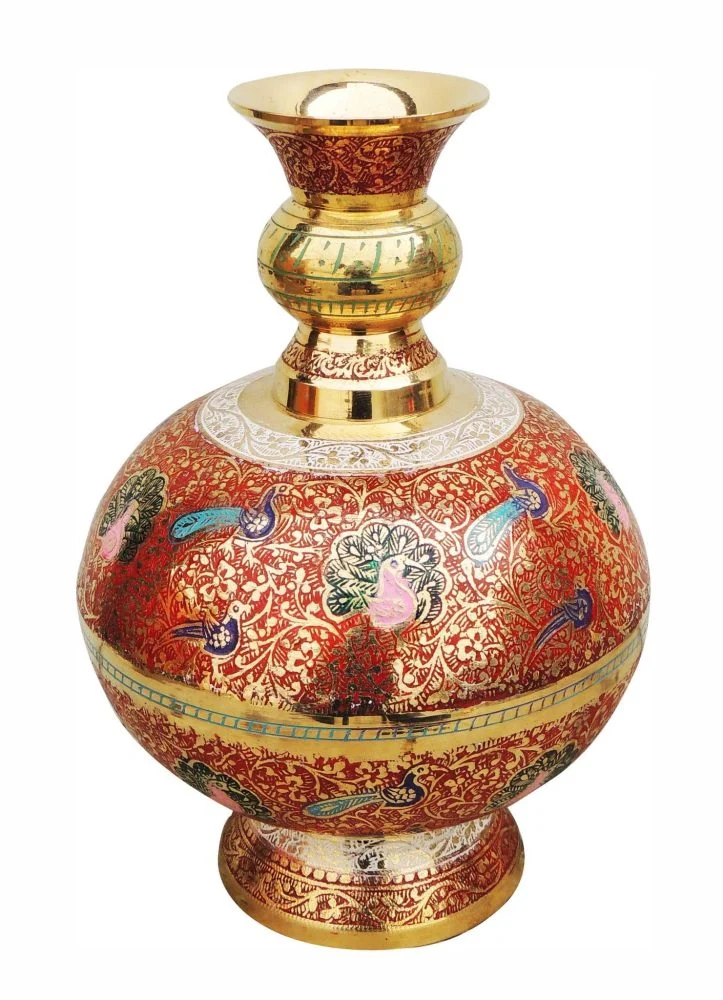
The city is known for sand cast idols and vessels, hand engraving, and coloured nakkashi work. Brass is the heart of it, but not the whole. Workshops also make aluminium, copper, steel and plated ware. Our own catalogue reflects that: of 4,320 products, 3,302 are pure brass, and the rest are aluminium, copper, silver plated, steel, bronze, iron and wood.
How a Mughal-era town became Pital Nagri
The city was founded in the 17th century under the Mughals and takes its name from the prince Murad Bakhsh. The metal craft grew up with the town and stayed. Skills passed from one generation of a family to the next, and whole lanes came to specialise in a single stage of the work.
What made the name stick was not one event but the build-up of trades in one place. A buyer could find a pattern maker, a caster, an engraver and a polisher within walking distance of each other. That is still how the city works.
The trades: moulders, casters, engravers (nakkashi), polishers
A piece of Moradabad brass passes through several pairs of hands before it reaches a shop. Each stage is a trade of its own.
| Trade | What they do | What you see in the finished piece |
|---|---|---|
| Moulders | Pack sand around a master pattern to form the mould | Shape and proportion |
| Casters | Melt the brass and pour it into the mould | Weight, wall thickness, a surface free of pits |
| Fettlers | Cut off excess metal and file the seams | No seam line down the sides |
| Engravers (nakkashi) | Cut patterns by hand; fill them with colour on some pieces | Crisp lines, even colour |
| Polishers | Buff, apply antique finish or lacquer | Shine and tone |
The casting stages are described step by step in how a brass idol is made.
What the GI tag is and what it protects
A Geographical Indication is a mark that ties a product to the place it comes from, where the reputation or character of the product depends on that place. Darjeeling tea and Banarasi sarees are familiar examples. Moradabad Metal Craft holds a GI tag in India.
The tag protects the name. It says that metal craft sold under the Moradabad name should come from Moradabad’s craft tradition. It does not grade an individual piece. A GI tag does not tell you the weight, the purity of the alloy or the quality of the engraving on the item in your hand. Those you still check yourself.
From export houses to Indian homes
For a long time much of Moradabad’s output was made to order for buyers abroad, in designs meant for foreign homes: candle stands, planters, trays, tableware. The same workshops have always made the things Indian households use, such as idols, diyas, lotas, thalis and bells.
Online selling has shortened the path between the two. A household anywhere in the country can now order directly from a Moradabad seller instead of going through a chain of wholesalers and local shops. That is the business we are in. It also explains our gifting range, from brass wedding gifts to corporate Diwali gifts under ₹2,500.
How to buy Moradabad brass well: weight, finish, seller
- Read the material. Not everything from Moradabad is pure brass. The listing should say brass, aluminium, copper or plated.
- Read the weight. Brass is heavy. Compare the weight in grams with the height. A large piece that weighs very little is hollow, thin or not brass. See how to identify pure brass.
- Look at the finish. Zoom into the face and the engraving. Lines should be sharp and seams filed away.
- Know the coat. Lacquered pieces are wiped dry; raw brass is cleaned with lemon and salt or tamarind. See how to clean brass before Diwali.
- Know the seller. Prefer one who states material, weight and dimensions on every listing and has a clear returns policy.
Our idols are a good place to see the casting and engraving trades together in one piece.